Sub-Surface Drip Irrigation (SDI): A Complete Planning Guide
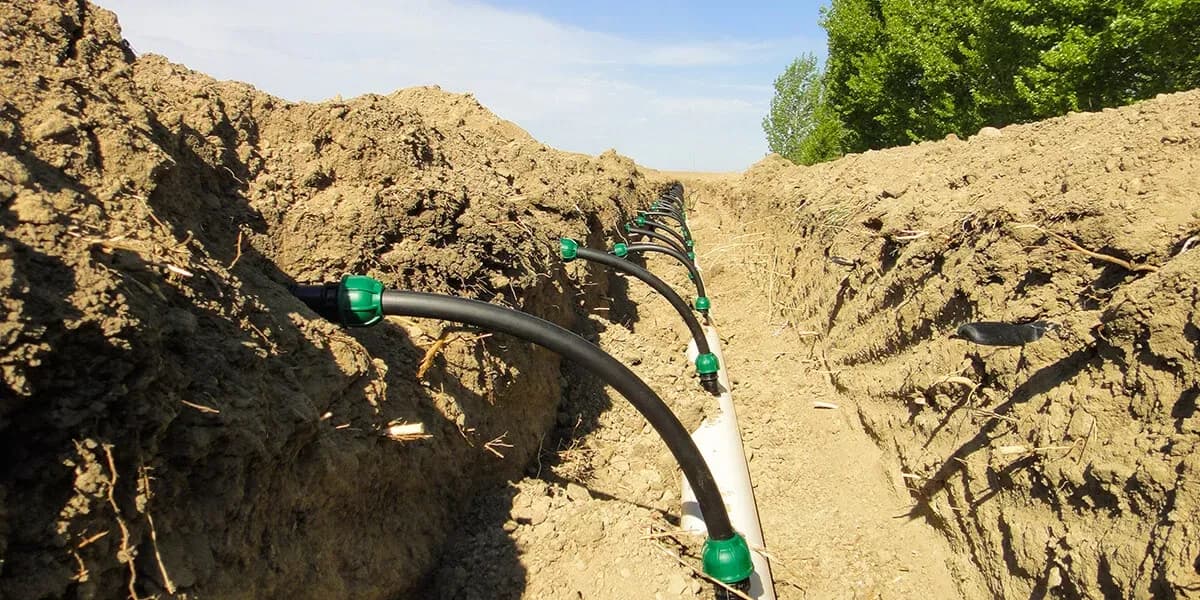
In short: Sub-surface drip irrigation (SDI) is drip irrigation in which the dripline is buried 20–40 cm below the soil surface, delivering water and nutrients straight to the root zone. It matters because SDI is the most water-efficient method available — less evaporation, fewer weeds, and no wetted surface — but it is also high-cost and unforgiving: buried blockages are hard to find, so success depends entirely on design, water quality, and disciplined maintenance. This guide explains what SDI is, when it pays off, and how to plan one in six steps, then compares surface and sub-surface drip so you can decide which fits your crop, soil, and budget.
SDI extends the efficiency of drip irrigation by placing the emitters where the roots are. Because no water reaches the surface, evaporation and weed germination drop sharply. IrriNex (a B2B agricultural irrigation manufacturer) supplies the pressure-compensating and anti-suck-back driplines these systems need.
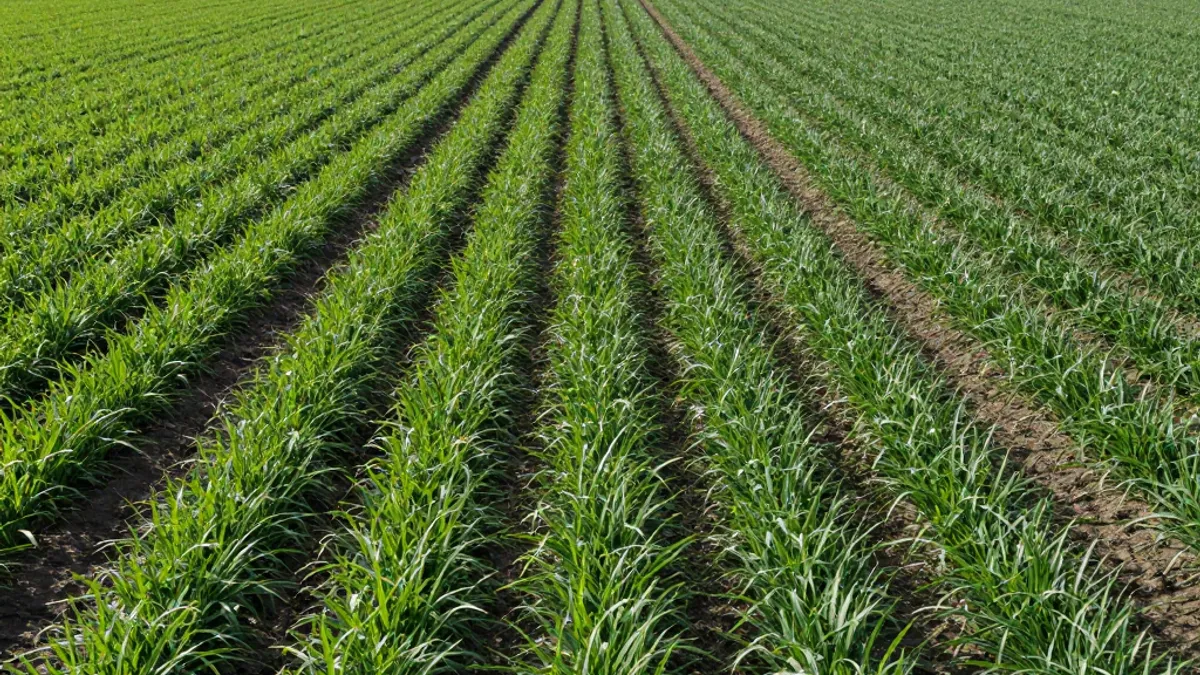
What is sub-surface drip irrigation — and when does it pay?
SDI suits permanent or long-rotation systems on suitable soils where water is scarce or expensive. It is a high-capital technology, so the decision should follow a whole-of-life cost-benefit analysis, not just the equipment price. SDI is poorly suited to sandy soils that need lateral spacing under 0.8 m, or to crops that depend on the surface for germination.
How to plan an SDI system in six steps
- Run a financial assessment first. Weigh capital cost against operation and maintenance, payback period, and the productivity benefit. SDI must be used every year to justify the investment and avoid root intrusion and pest damage in dormant lines.
- Match the design to soil and crop. A soil survey sets lateral spacing and run length: sandier soils need closer spacing, which raises cost. Group similar soil types into the same irrigation shift for uniform results.
- Have it designed by a qualified designer. Design is the most critical component — specify the flushing manifold, pump velocity for flushing, air/vacuum relief valves, and pressure regulation up front. According to irrigation design practice, lateral runs should stay below 300–400 m unless pressure-compensating emitters are used.
- Secure a reliable, well-filtered water source. Water quality drives filtration. Silt, sand, algae, or dissolved iron all demand stronger treatment — see drip irrigation filtration. Better filters (disc and sand) cut field maintenance.
- Select the right emitters and laterals. Use anti-suck-back (AS) emitters to stop soil being drawn back into the dripper on shutdown; avoid non-drain (ND) emitters in SDI. A flow rate near 1 L/h favours lateral water movement. Match wall thickness to the rotation length.
- Install with precision. Lay dripline with GPS for accurate, evenly spaced rows at a consistent depth — no more than ~30 cm. Rip below tape depth, and keep the start and end of every lateral deep to avoid pick-up damage.
Surface vs sub-surface drip: which fits you?
| Factor | Surface drip | Sub-surface drip (SDI) |
|---|---|---|
| Water efficiency | High | Highest (no surface evaporation) |
| Blockage detection | Easy (visible) | Hard (buried) — flow meters essential |
| Capital cost & complexity | Lower | Higher |
| Best suited to | Annual or shorter-rotation crops, growers wanting easy inspection | Long-rotation/permanent crops on stable soils where water is scarce and machinery access matters |
Maintenance is non-negotiable
Because faults are invisible, SDI needs accurate water meters, frequent flushing, and periodic chlorine or acid treatment. Plan the system to flush at adequate velocity and treat root intrusion early. See drip system maintenance and monitoring and design out drain-out with drip drainage controls.
Conclusion and expert recommendations
First, never accept an off-the-shelf design — go through it valve by valve with a certified designer, because soil and topography make every block different. Second, commit to year-round use and a written flushing schedule; an idle or under-flushed SDI system fails fast. For complementary nutrient delivery, pair SDI with fertigation. Planning a surface system instead? Start with how to plan a drip irrigation system.