Drip Irrigation Filtration: How to Choose Screen, Disc, and Media Filters
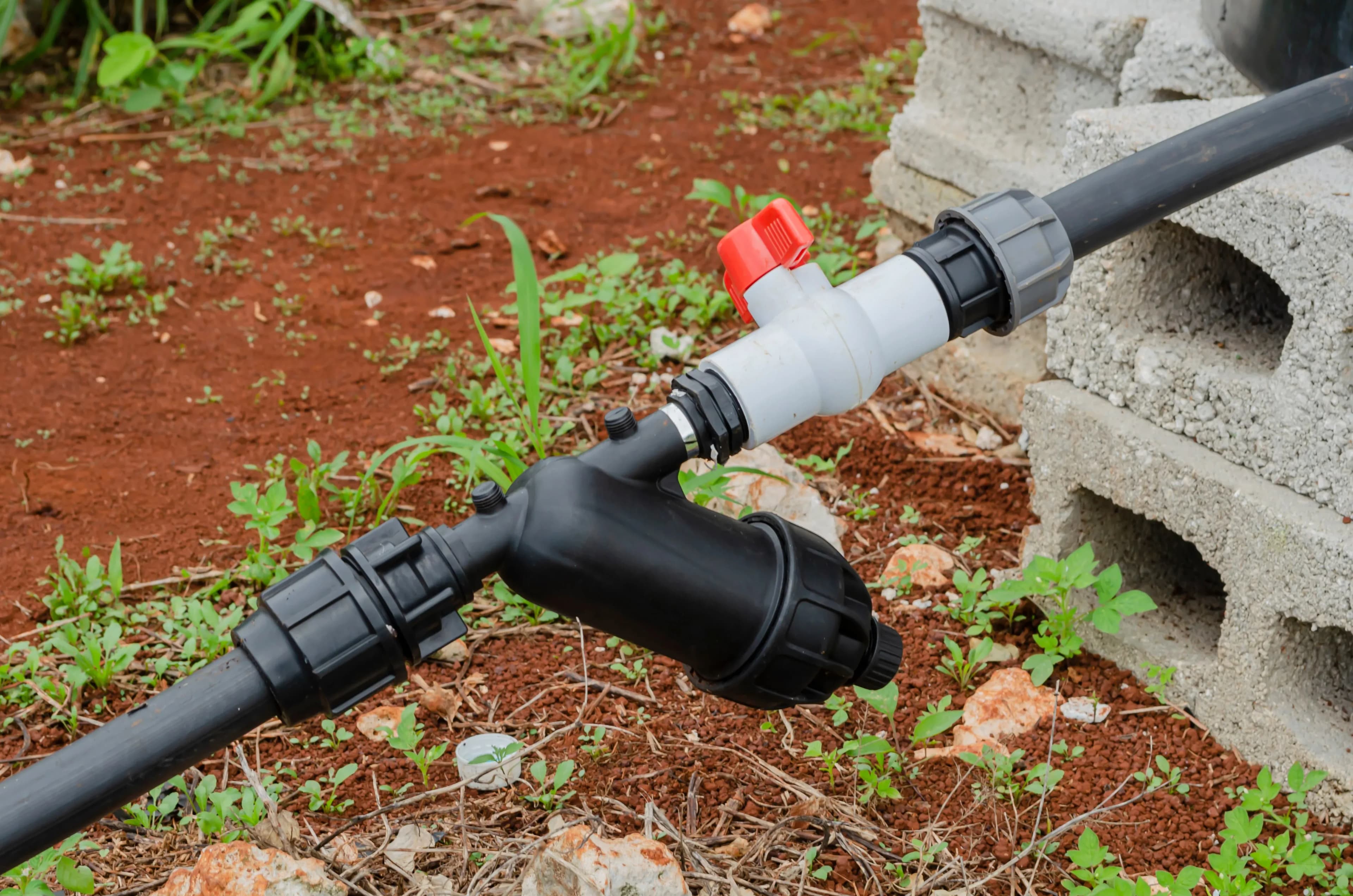
In short: Drip irrigation filtration is the removal of suspended particles from irrigation water before they reach the emitters, where the openings are typically only 0.5–1.0 mm wide. It matters because a single blocked dripper silently under-waters the plants it serves, and clogging is the number-one cause of drip system failure. The right filter — screen, disc, or media — keeps flow uniform, protects your investment, and extends system life. This guide explains mesh and micron ratings, compares the three main filter types with the situations each suits best, and gives a five-step method to match filtration to your water source and emitter size.
Filtration is the most under-rated component of a successful drip irrigation system. Two ratings describe how fine a filter is: mesh (the number of openings per square inch — a higher number means finer filtration) and micron (µm) (the size of the particle being filtered, where 1 mm equals 1,000 micron). The aim is not to remove every particle, but to remove anything large enough to block an emitter.
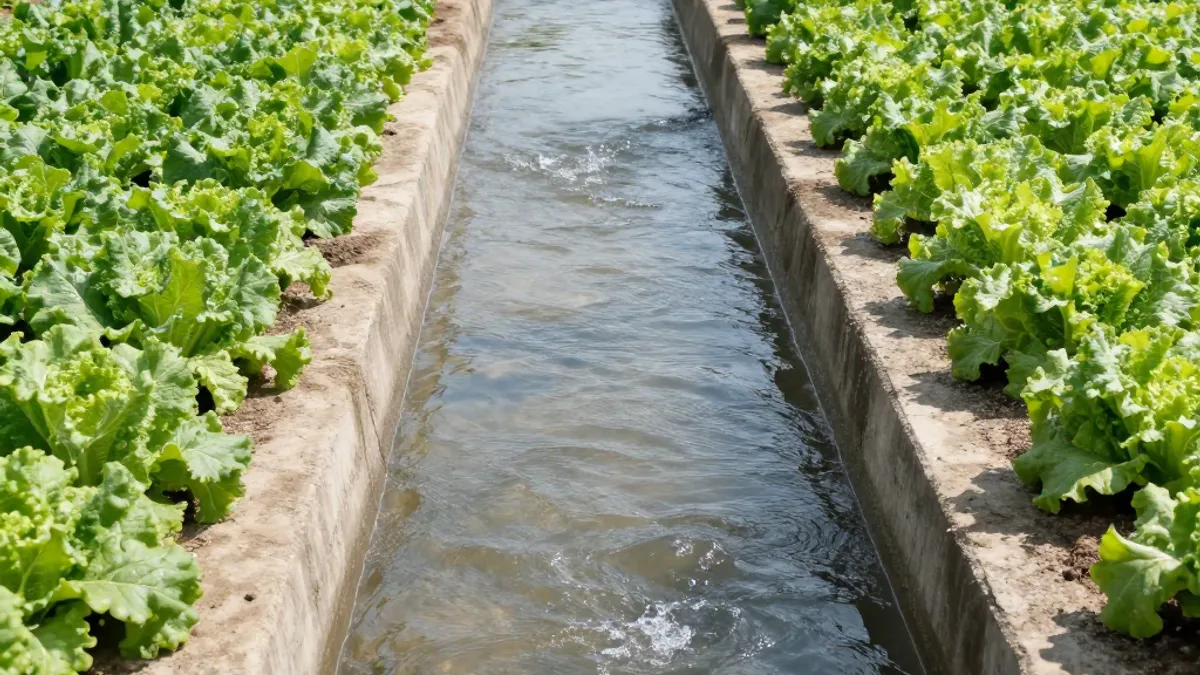
Why drip irrigation needs at least 120 mesh
The smallest pathway through most drippers is 500–1,000 µm (0.5–1.0 mm). According to long-standing irrigation industry filtration standards, drip systems therefore require a minimum of 120 mesh (about 130 micron), and drip tape often needs 150 mesh or finer. The smaller the emitter, the higher the clogging risk, which is why drip has stricter filtration requirements than sprinkler or micro-jet systems. IrriNex (a B2B agricultural irrigation manufacturer) supplies filters across this full range.
Screen vs disc vs media filters: a comparison
There are three main filter types, each suited to a different water quality and budget.
| Filter type | How it filters | Best suited to | Backflush water* | Trade-off |
|---|---|---|---|---|
| Screen | Surface (single mesh layer) | Growers with average-to-clean water who want low cost and low head loss | ~0.5–1% | Limited dirt-holding; can be forced through under high pressure |
| Disc | Depth (stacked grooved rings) | Growers needing 3-D filtration with a small footprint and low backflush water | ~0.5–1.5% | More moving parts; discs need periodic manual cleaning |
| Media (sand) | Depth (sand/gravel bed) | Growers using dirty water — ponds, canals — with heavy silt or algae | ~2–5% | Largest footprint, highest backflush volume and head loss |
*Backflush water as a share of total water pumped. According to irrigation design references, a media filter on an 80 ML/year system can use 1.6–4.0 ML for backflushing — a real cost where water is scarce.
How to choose a drip irrigation filter in five steps
- Analyse your water first. Test for turbidity, sand, iron, and organic load. The analysis tells you whether you have "clean" water (mains, some wells) or "dirty" water (ponds, canals, rivers), which is the single biggest driver of filter choice.
- Match mesh to your emitter. Use 120 mesh for standard drippers, 150 mesh or finer for drip tape, and at least 80 mesh for sprinklers. On a mixed system, filter to the smallest orifice. See how to select the right filtration system.
- Pick the type by water quality. Clean water → screen or disc; dirty or algae-laden water → media filters, often with a screen or disc backup. Add a hydrocyclone sand separator ahead of the filter where groundwater carries sand.
- Size for flow, not just the connection. The filter must handle the full system flow so the clean-filter pressure drop stays in range — roughly 20–50 kPa (disc), 5–20 kPa (screen), 30–70 kPa (media). Undersized filters clog and backflush constantly.
- Add secondary (back-up) filtration in the field. Optimal practice is to filter twice: a primary filter at the pump plus secondary filters at each valve, usually one mesh grade coarser, to catch debris from pipe breaks or biological growth.
Backflushing and maintenance
Filters are cleaned by backflushing — reversing flow to flush trapped debris. Trigger it on a time interval, a pressure differential, or, best, a combination of both, so the system flushes only when needed. Back-flush before the differential reaches roughly 100 kPa (media), 70 kPa (disc), or 50 kPa (screen). Pair filtration with regular line flushing and chemical treatment, as covered in drip system maintenance and monitoring.
Conclusion and expert recommendations
Filtration is cheap insurance against the most expensive drip failure: clogged emitters you only notice when plants wilt. First, choose the filter type from your water analysis, not the catalogue price. Second, always install field back-up filters one grade coarser than the primary — the small extra cost protects every emitter downstream. Browse irrigation filters or use the irrigation filter buying guide to match a unit to your system.