Drip Irrigation Maintenance and Monitoring: Flush, Clean, and Check
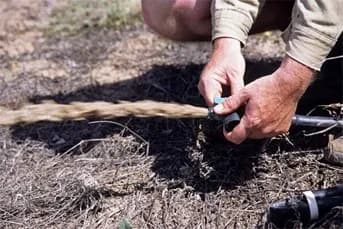
In short: Drip irrigation maintenance is the routine of flushing lines, cleaning (disinfestation), and monitoring emitter discharge and pressure to keep a system performing at its design specification. It matters because emitter clogging is the number-one cause of drip failure, and growers usually notice a problem only when plants wilt — by which point yield is already lost. A system that is flushed, cleaned, well-filtered, and monitored holds its uniformity for years. This guide gives a practical four-step maintenance routine and shows how to monitor discharge and pressure so you catch problems early.
Every drip system declines over time, but disciplined upkeep keeps that decline minimal. IrriNex (a B2B agricultural irrigation manufacturer) designs drippers and filters that are easier to flush and maintain.
Why drip systems need a maintenance routine
The drip emitter is small — typically 0.5–1.0 mm — so even fine sediment or biofilm closes it. The three pillars of upkeep are flushing, cleaning, and monitoring. Skip any one and performance erodes quietly until uniformity, and yield, drop.
A four-step drip maintenance routine
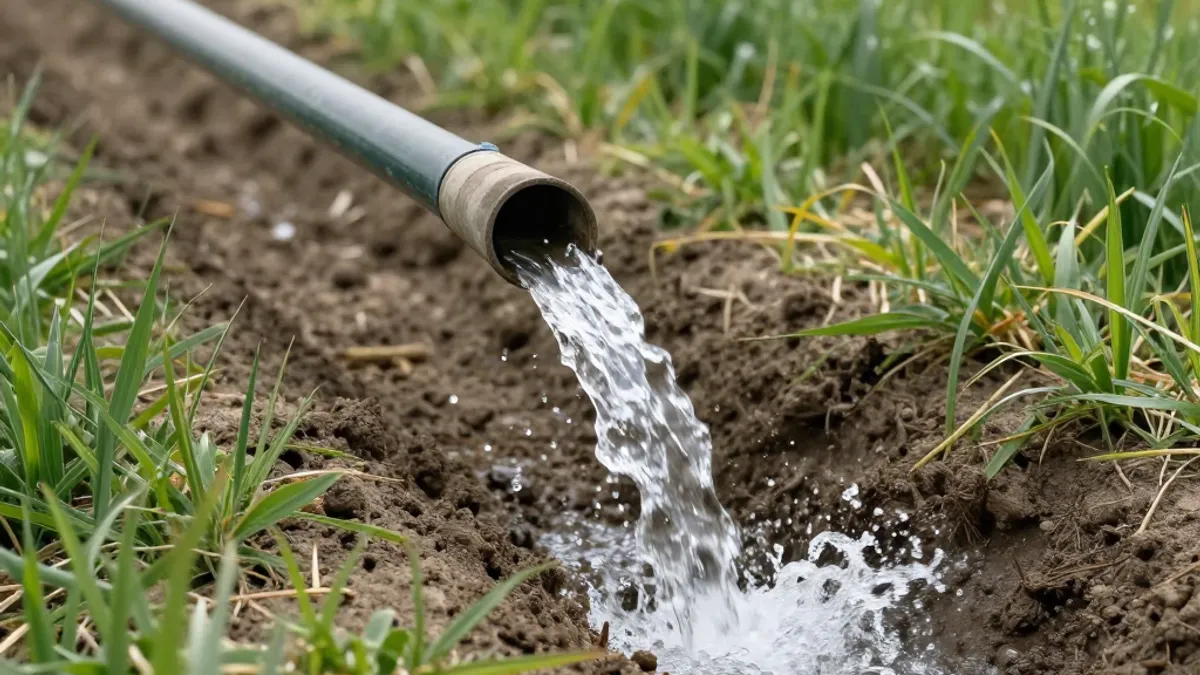
- Flush mains, then submains, then laterals — in that order. According to industry standards, a minimum flow velocity of 0.5 m/s is needed to scour a lateral, so open only a few laterals at once. Flush before the first irrigation, several times during the season, and again at the end.
- Clean (disinfest) by problem type. Treat organic matter — algae, biofilm, mussels — with an oxidiser such as chlorine or hydrogen peroxide; treat mineral scale with acid. The colour and feel of the material flushed out tells you which you have. Always read the product label before use.
- Monitor discharge and pressure. In a well-designed system, dripper discharge should vary by less than ±10% across a valve unit (under ±5% either side of the mean). For non-pressure-compensating drippers, keep operating-pressure variation within ±10%; their rated flow is a nominal figure at a specific pressure, usually 100 kPa.
- Keep records and a schedule. Log run time, pressure, and repairs. A simple log reveals trends — a slow pressure rise signals clogging; a sudden drop signals a leak — and tells you when treatment is due.
Organic vs mineral blockages: how to treat each
| Blockage type | Signs | Treatment | Best suited to |
|---|---|---|---|
| Organic (algae, biofilm) | Slimy, green/brown growth; rising friction loss | Chlorine or hydrogen peroxide injection | Surface or pond/canal water with biological load |
| Mineral (scale, sediment) | Hard deposits; gritty residue | Acid injection to dissolve precipitate | Hard groundwater high in calcium or iron |
As a guide, flush three times a season with clean water and at least every fourth irrigation with dirty water.
Conclusion and expert recommendations
First, measure flush velocity, don’t guess it — time the lateral discharge and limit how many laterals you open so each reaches 0.5 m/s. Second, test a sample of emitters at commissioning and repeat seasonally; a baseline lets you spot a 10% discharge drift before it becomes a blockage. Good filtration reduces how often you clean, and avoiding common drip mistakes keeps the whole system reliable. Browse irrigation filters to upgrade your first line of defence.