What Is Micro Spray Tape and How Does It Work?
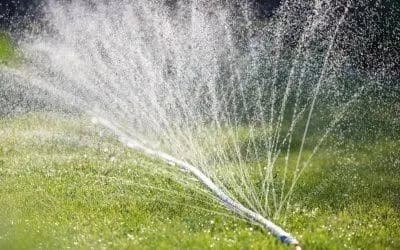
In short: Micro spray tape is low-pressure irrigation tubing with laser-punched emitter holes that spray fine droplets along a crop row, wetting the root zone evenly while saving water. It matters because it delivers gentle, uniform coverage at pressures most pumps can supply, making it a low-cost, low-energy choice for vegetables, seedlings, and close-row crops. This guide explains the common sizes and hole patterns, how the tape works in low-pressure systems, the most frequent problems and their fixes, and how to extend its service life — so you can match the tape to your crop and avoid uneven wetting.
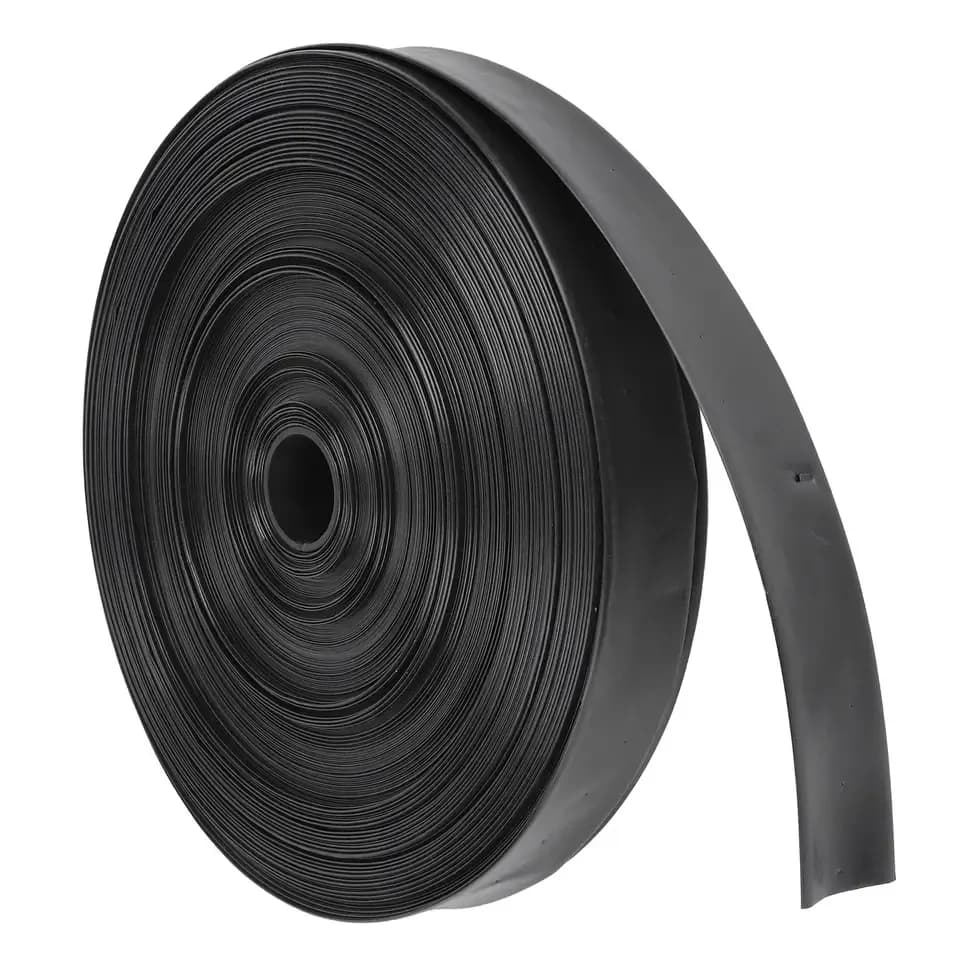
Micro spray tape sits between drip tape and micro-sprinklers in the micro irrigation family. IrriNex (a B2B agricultural irrigation manufacturer) produces laser-punched tape in multiple fold sizes and hole patterns.
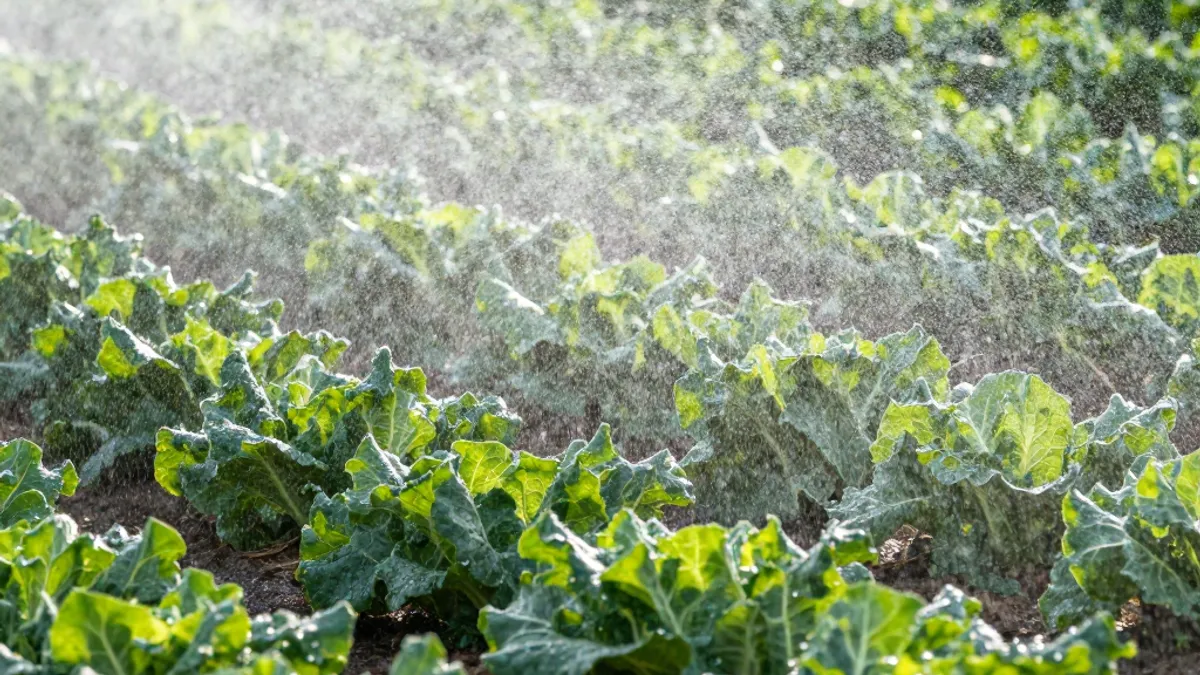
Sizes and hole patterns
Common fold (flat) diameters are 33, 45, 50, 63, 80, 100, and 120 mm, with emitters laser-punched in slanted 3-, 5-, 7-, or 9-hole patterns. A smaller fold gives finer spray and lower flow; a larger fold gives higher flow and wider wetting. The number of holes sets the droplet distribution.
How micro spray tape works at low pressure
The tape converts low water pressure into many fine droplets through its slanted laser holes. According to micro-irrigation research, low-pressure systems generally operate effectively between 0.05 and 0.3 MPa (50–300 kPa). Below about 0.05 MPa the spray turns patchy; above 0.3 MPa the holes deform and wear faster. A pressure gauge near the tape end confirms you are in range.
Set-up and troubleshooting in four steps
- Match size and pattern to the crop. Smaller folds with more holes suit seedlings and nurseries; 50–63 mm suits vegetables; larger folds suit wide row crops. Test a length in the field and measure end pressure and outflow before bulk ordering.
- Hold pressure between 0.05 and 0.3 MPa. Lay the tape flat, size mainlines and pumps to keep pressure stable, and add a booster or pressure regulator on long runs so the far end still sprays evenly.
- Filter and flush. Install a 120–200 mesh filter at the source — blockage from sand, algae, and fertiliser residue is the top cause of poor performance — and flush the lines after each use; reverse-flush blocked sections for a few minutes.
- Maintain and store. Limit continuous runs to around four hours to reduce heat ageing, drain and store the tape out of UV in the off-season, and inspect quarterly for blockages and loose fittings.
Choosing a fold size
| Fold diameter | Flow & spray | Best suited to |
|---|---|---|
| 33–45 mm | Very low flow, fine droplets | Seedlings, nurseries, small vegetables |
| 50–63 mm | Moderate flow, even wetting | Vegetables, herbs, and row crops |
| 80–120 mm | High flow, broad wetting | Wide rows and larger plantings |
According to meta-analyses of micro-irrigation studies, switching from furrow or sprinkler to micro methods can cut water use by 20–50% while maintaining or improving yield, and pairing tape with plastic mulch can reduce evaporative loss by 40–60%.
Conclusion and expert recommendations
First, field-test a length and check end pressure before you buy in bulk — it is the cheapest way to avoid dry patches. Second, filter to 120–200 mesh and flush after every use; clogging, not wear, is what ends most tape early. Compare it with micro-sprinkler irrigation and drip tape, and explore the full micro irrigation range.