what is micro sprinkler irrigation
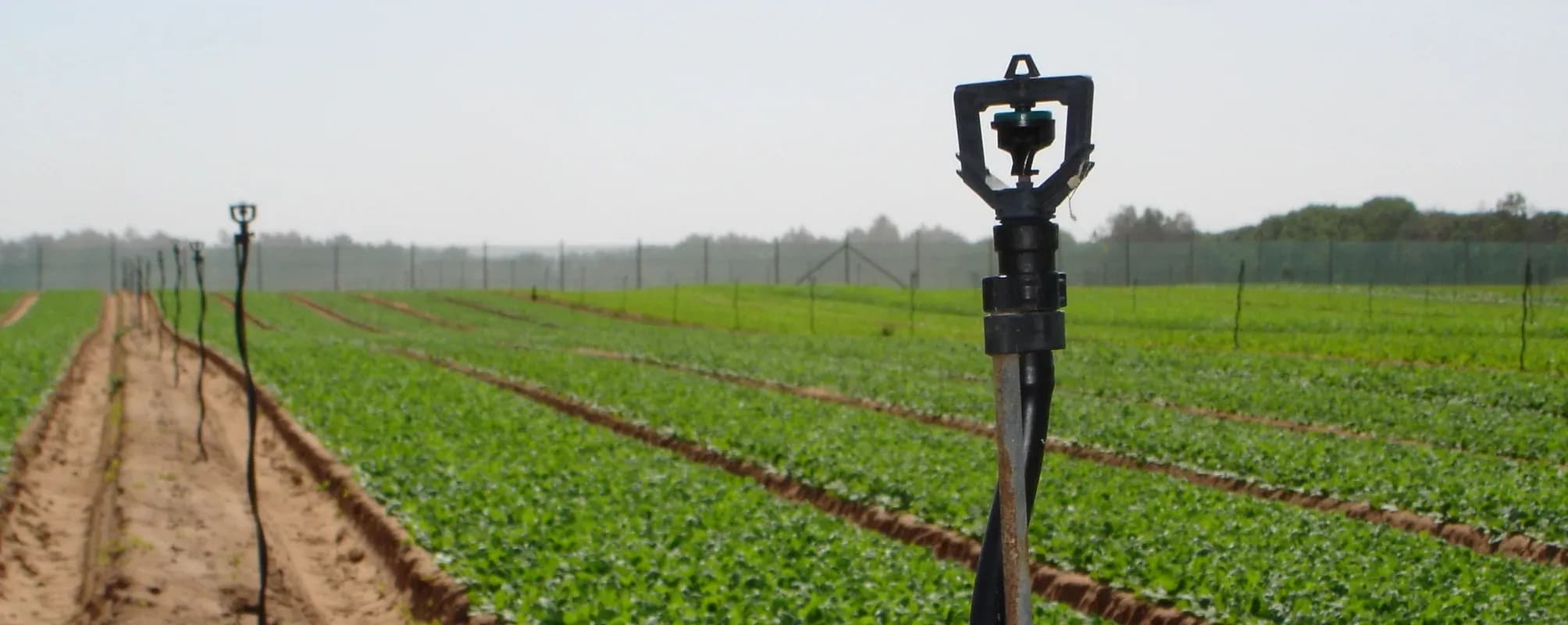
Micro sprinkler irrigation sits in the middle ground between drip and conventional sprinklers. It is useful when a crop needs a wider wetted area than a dripper can provide, but still needs more precision than a broad overhead sprinkler pattern. That is why it appears so often in greenhouses, nurseries, orchards, and specialty crops.
In other words, micro sprinklers are not just smaller sprinklers. They solve a different irrigation problem: how to cover a limited area evenly without giving up too much water efficiency.
How micro sprinkler irrigation works
Water moves through a pressurized network and reaches a small nozzle or emitter that breaks the flow into fine droplets. Depending on the model, the spray may rotate, pulse, or distribute water in a fixed pattern. The nozzle design, operating pressure, and mounting position together control radius, droplet size, and application rate.
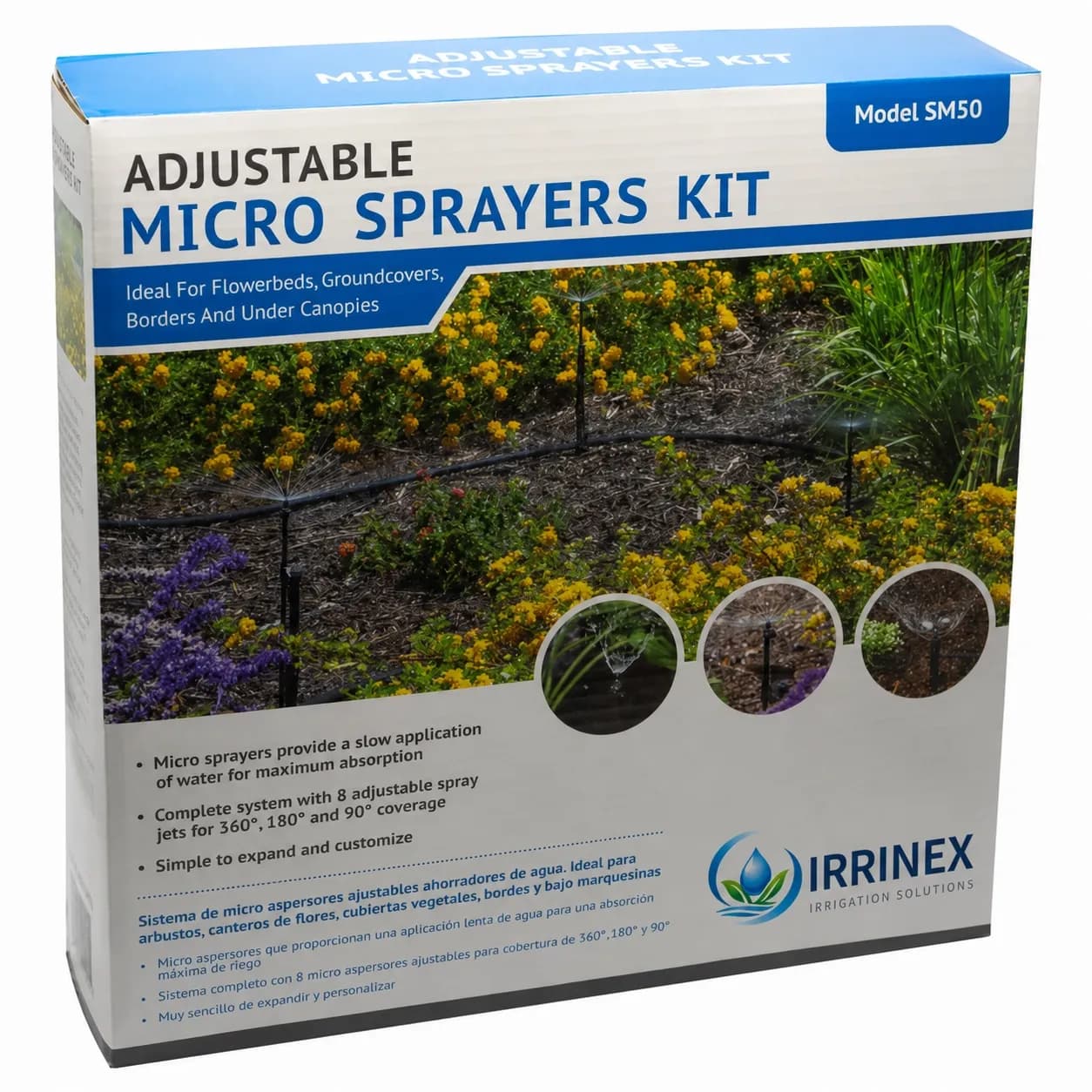
If you are comparing equipment, see the IrriNex micro sprinkler range and match coverage patterns to crop spacing rather than choosing by radius alone.
Where micro sprinklers fit best
- Greenhouse crops that need broader wetting than drip alone can provide
- Nursery benches, containers, and overhead support layouts
- Orchards and perennial plantings where a localized wetted area is preferred
- Projects that benefit from light cooling or humidity support
For a protected-cultivation example, the IrriNex greenhouse micro sprinkler system solution is a useful reference.
What it does better than a dripper
A dripper wets a point or a narrow strip. A micro sprinkler creates a wider pattern, which can be better for container groups, wider root spread, or crops that benefit from a slightly larger moist zone. That extra area is exactly why growers choose it.
What it does better than large sprinklers
Because the application zone is smaller and more controlled, micro sprinklers can use water more efficiently than broad overhead sprinklers when they are spaced and regulated correctly. They also give you more flexibility in crop-specific layouts.
Limits you still need to account for
Micro sprinklers are not automatically the right answer everywhere. Wind can distort distribution, poor filtration can clog nozzles, and bad spacing can ruin uniformity. They are also less targeted than drip irrigation, so evaporation losses can increase if they are used carelessly.
Why filtration matters so much
Nozzle-based irrigation always depends on clean water. Sediment and organic matter can distort the spray pattern or block the emitter entirely. Before you finalize a micro sprinkler layout, review irrigation filter products so the system stays stable over time.
Installation choices that change performance
The same micro sprinkler can behave very differently depending on mounting height, angle, operating pressure, and spacing. If you need a layout with predictable overlap, the IrriNex article on micro sprinkler spacing is worth reviewing before installation.
When to choose micro sprinklers instead of drip
Choose micro sprinklers when you need a wider wetted zone, light overhead application, or a combined irrigation-and-microclimate effect. Choose drip when root-zone precision, drier foliage, and minimum evaporation are the main priorities.
Bottom line
Micro sprinkler irrigation bridges the gap between drip and conventional sprinklers. It is most useful when you need more wetting area than a dripper can give, but still want more control than a broad sprinkler layout.
If you are planning a greenhouse or nursery layout, explore IrriNex micro sprinkler products, review the greenhouse micro sprinkler solution, or contact IrriNex for help with emitter selection and spacing.