5 Advantages of Drip Irrigation
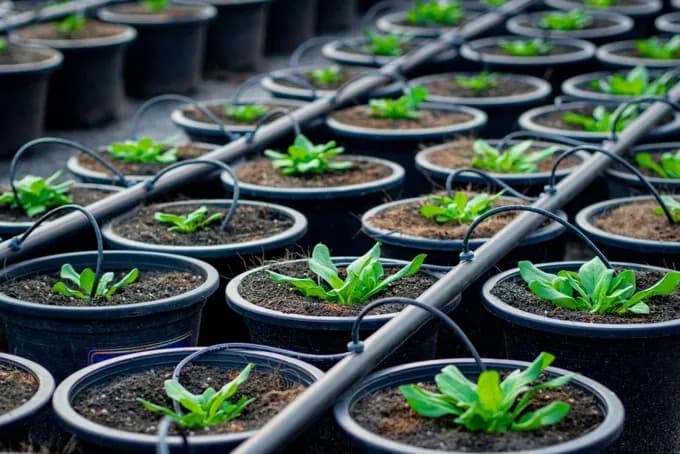
Summary: Drip irrigation is a low-pressure irrigation method that applies water slowly and directly to the crop root zone through emitters, dripline, or drip tape. It matters in agriculture because water, pumping energy, fertilizer, and labor all become more expensive when irrigation is imprecise. According to USDA NRCS (the United States Department of Agriculture Natural Resources Conservation Service), well-designed drip systems can reach 90 to 95 percent application efficiency, which is significantly higher than many less targeted irrigation methods. According to FAO AQUASTAT (the United Nations Food and Agriculture Organization water database), agriculture accounts for about 70 percent of global freshwater withdrawals, so efficient water delivery is an operational and strategic requirement. This article explains the five most important advantages of drip irrigation for agricultural production and shows when it outperforms sprinkler or surface irrigation.
What is drip irrigation in agriculture?
Drip irrigation is the controlled release of small amounts of water directly into the soil near the active roots of the crop. Instead of wetting the entire field surface, the system targets the wetted zone where plants absorb water and nutrients most effectively. In agricultural production, that precision supports better water management, better fertigation control, and more stable crop response across the field.
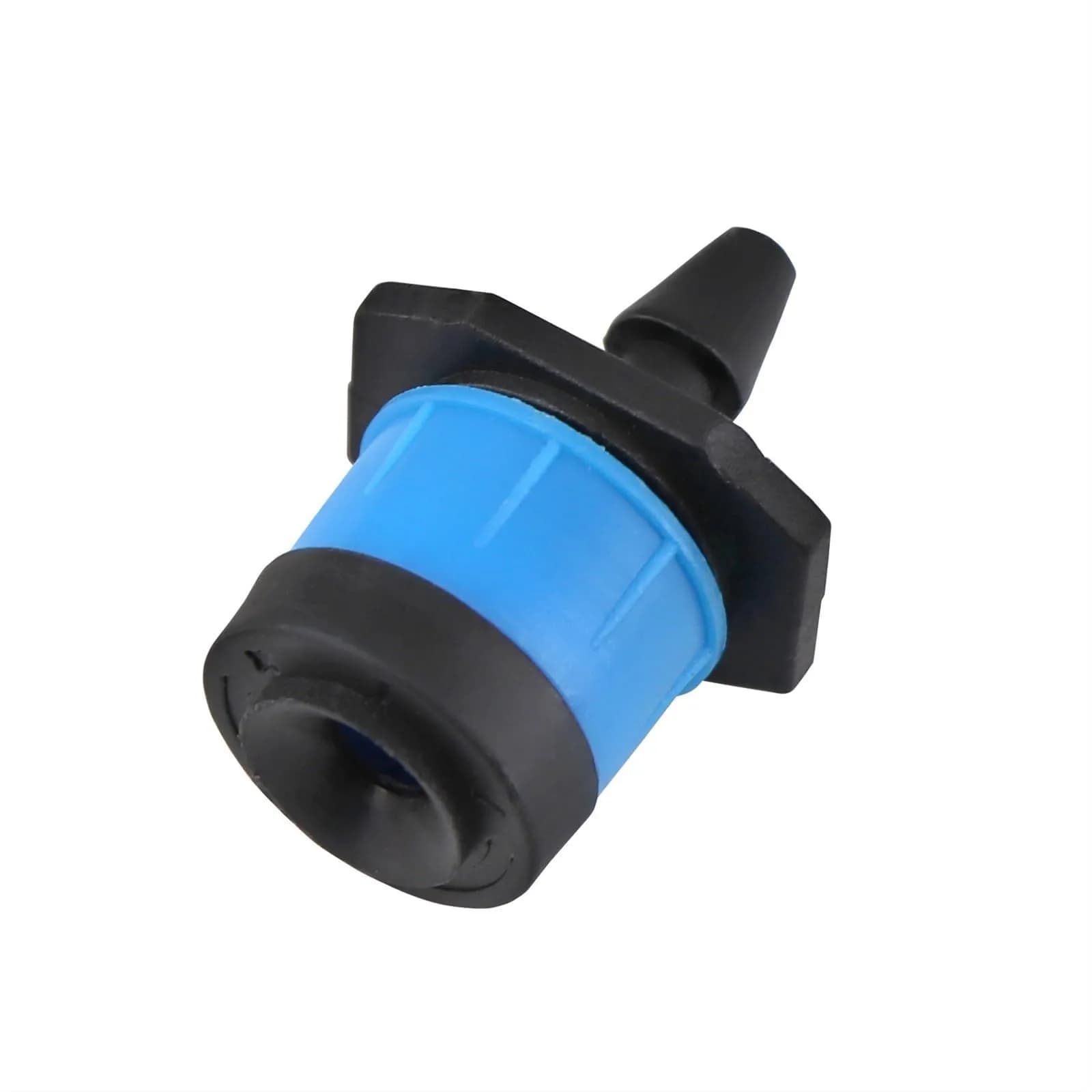
Drip systems are widely used in vegetables, orchards, greenhouse production, berries, and row crops that benefit from precise root-zone irrigation. For layout examples, review the vegetable drip irrigation solution and the orchard dripper irrigation solution.
5 advantages of drip irrigation in agriculture
Step 1: Drip irrigation saves water
Drip irrigation reduces evaporation, runoff, and wind drift because it delivers water where the crop actually uses it. According to USDA NRCS, drip irrigation can operate at 90 to 95 percent application efficiency when it is correctly designed and pressure regulated. That precision is especially valuable in regions where pumping capacity, well recovery, or water allocation limits the total water available to the farm.
Step 2: Drip irrigation saves pumping and fertilizer cost
Every cubic meter of water that does not need to be pumped lowers the energy bill and reduces wear on the pump station. When the system is paired with fertigation, nutrients move directly into the wetted root zone instead of being broadcast across dry soil or washed away by excess surface water. For system examples that combine irrigation and nutrient dosing, see the fertigation system solution.
Step 3: Drip irrigation improves crop health and suppresses disease pressure
Drip irrigation keeps leaf surfaces drier than overhead irrigation, which lowers the environmental conditions that favor many fungal and bacterial diseases. A drier inter-row surface also reduces weed germination outside the crop root zone, so the field spends less water supporting unwanted growth. That combination improves crop uniformity and often reduces the need for reactive disease and weed control.
Step 4: Drip irrigation saves labor and field time
Once filtration, pressure control, and scheduling are set correctly, drip systems reduce the time operators spend moving pipes, repositioning sprinklers, or compensating for missed irrigation windows. Automated cycles let irrigation continue while crews handle pruning, scouting, harvest preparation, or fertigation checks. That is one reason drip is widely favored in high-value agriculture where labor must be directed toward crop work rather than water handling.
Step 5: Drip irrigation is flexible across crops, terrain, and soil
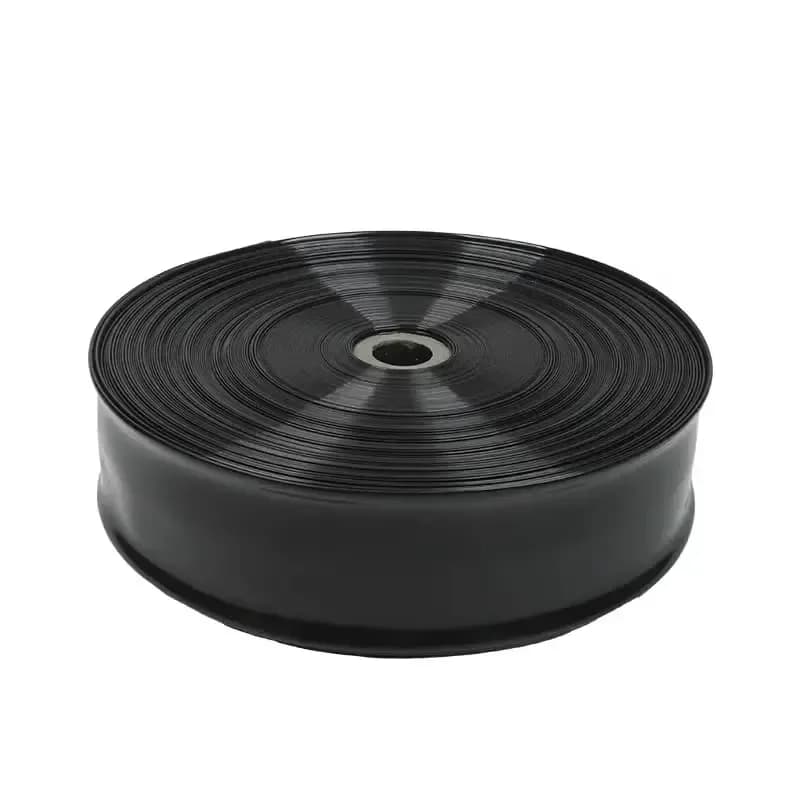
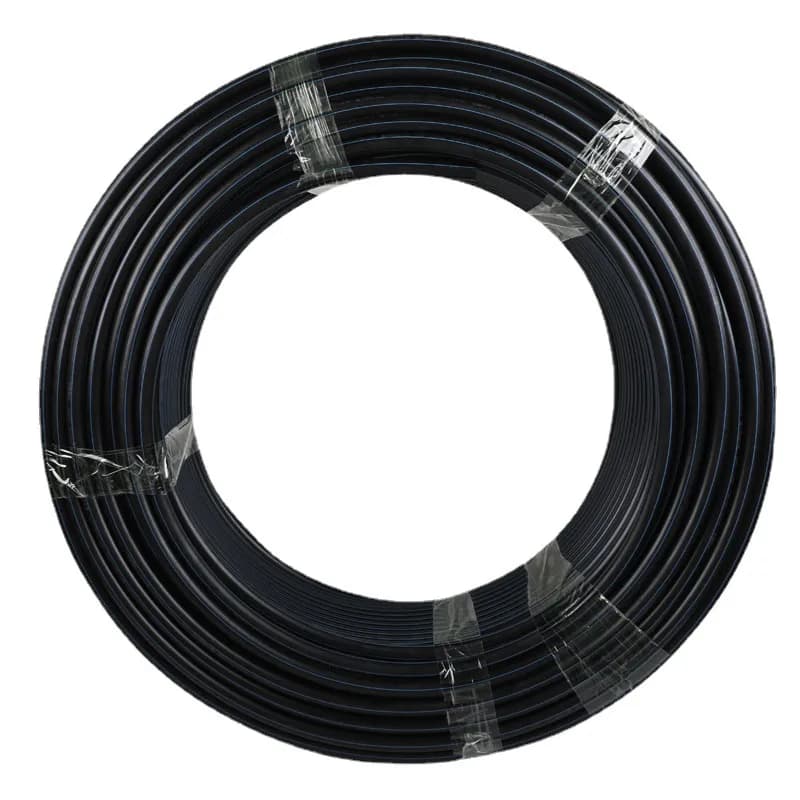
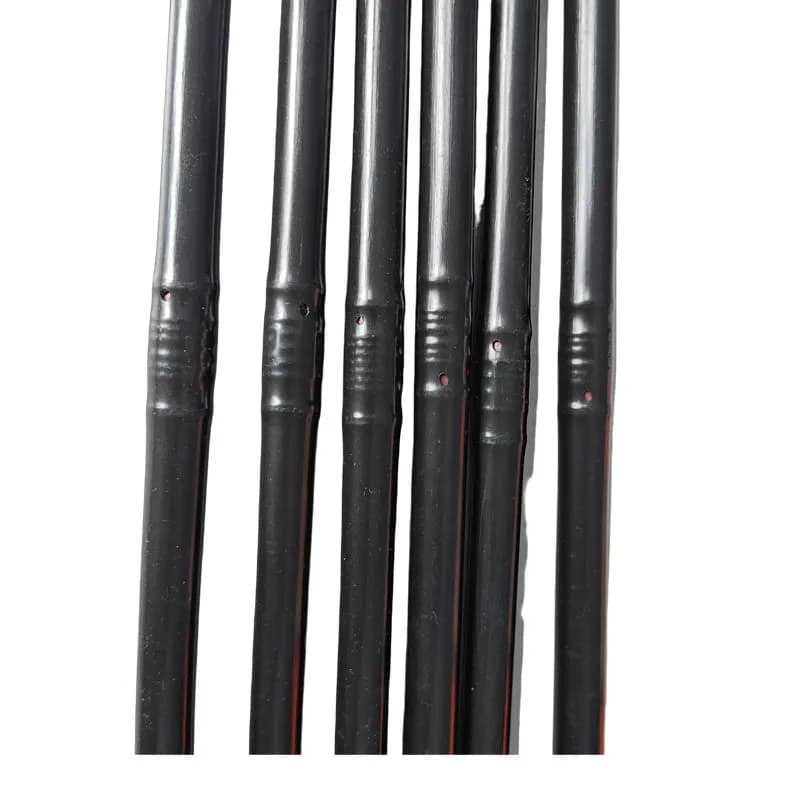
Drip pipe, drip tape, and lateral lines can follow bed layouts, orchard rows, contour lines, and greenhouse benches far more easily than rigid surface systems. The system can also be adjusted crop by crop through emitter spacing, flow rate, and irrigation frequency. That flexibility makes drip suitable for flat fields, slopes, mulched beds, protected cultivation, and mixed agricultural operations.
Drip irrigation compared with other agricultural irrigation methods
| Method | Pros | Cons | Best suited for |
|---|---|---|---|
| Drip irrigation | Highest precision, strong water efficiency, supports fertigation, keeps foliage dry | Needs good filtration, pressure regulation, and regular inspection | Best suited for vegetables, orchards, greenhouse crops, berries, and high-value row crops |
| Overhead sprinkler irrigation | Good for broad area coverage, cooling, and some frost protection needs | Higher evaporation loss, more wind drift, more leaf wetting | Best suited for broad-field crops, cooling applications, and blocks where canopy wetting is acceptable |
| Surface or furrow irrigation | Simple infrastructure and lower upfront complexity in some layouts | Lower precision, higher runoff risk, difficult nutrient targeting | Best suited for operations with established gravity layouts and lower precision requirements |
What farmers should do to capture the full drip irrigation advantage
Drip irrigation only delivers its full benefit when filtration, pressure regulation, emitter spacing, and scheduling are matched to the crop and water source. According to EPA WaterSense (the U.S. Environmental Protection Agency water-efficiency program), poorly designed or poorly maintained irrigation systems can waste a large share of applied water, so design discipline matters as much as the equipment itself.
Start with the right filter, the right regulator, and the right tubing size. The filtration system selection guide, the drip fitting sizing guide, and the drip irrigation installation guide are practical companion resources.
Bottom line
The five biggest advantages of drip irrigation are straightforward: it saves water, reduces pumping and fertilizer cost, improves crop health, saves labor, and adapts well to demanding agricultural layouts. Expert advice: first, standardize filtration and pressure regulation across the whole drip block before adding more zones; second, design irrigation scheduling around soil moisture and crop stage rather than fixed calendar assumptions. For equipment options, browse drip irrigation products, drippers, and drip tape.