5 Sprinkler System Components That Improve Irrigation Efficiency
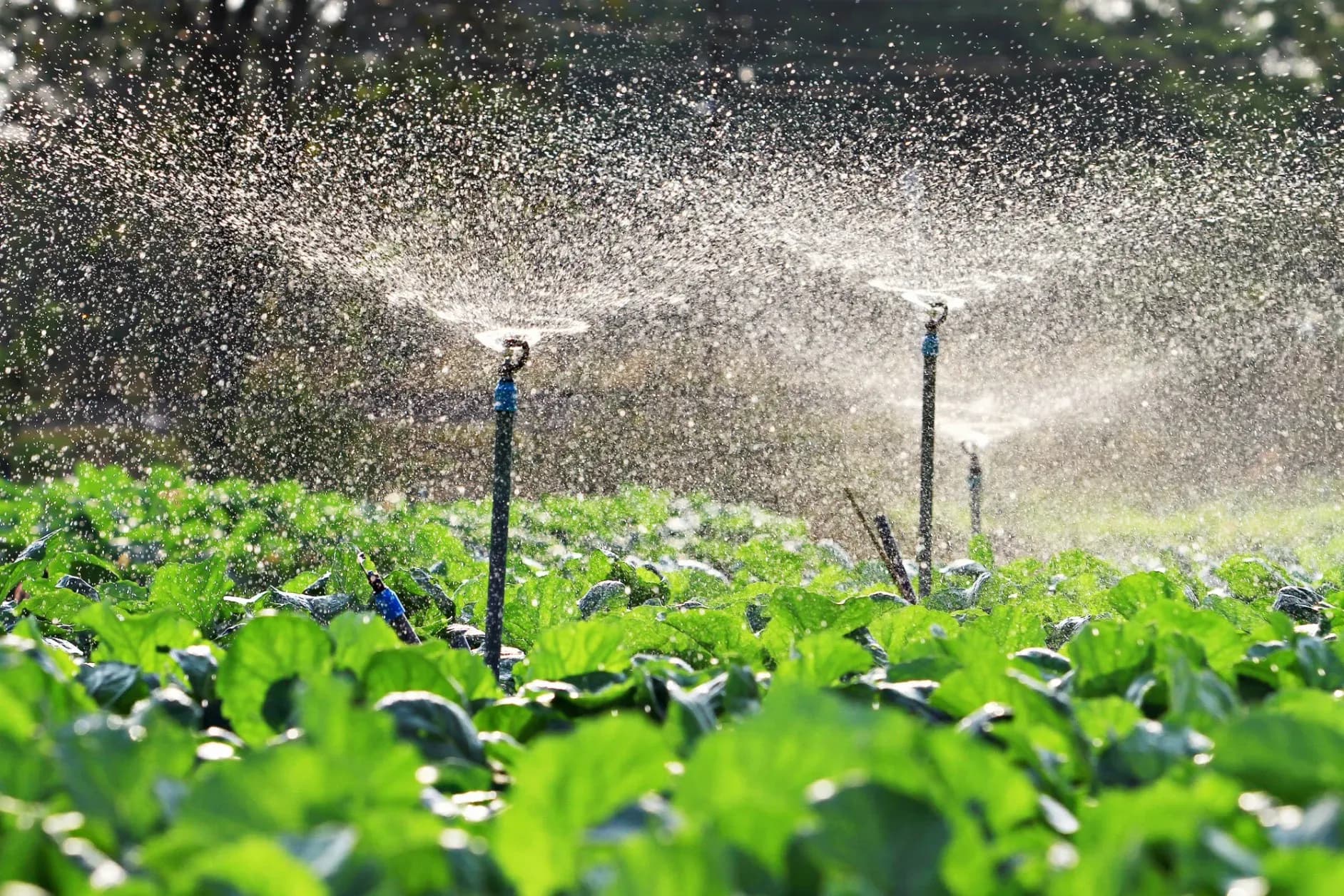
A sprinkler system does not become efficient by accident. Uniform coverage, reliable zoning, clean water delivery, and sensible scheduling all depend on a few core parts doing their job at the same time. When one component is undersized, damaged, or poorly selected, the whole system usually shows it through runoff, dry patches, or unstable pressure.
This guide breaks down the five sprinkler components that matter most, explains what each one controls, and highlights the maintenance checks that keep the system working season after season.
Why it helps to know the key parts
Understanding the layout of your sprinkler system makes routine troubleshooting much faster. Instead of guessing, you can isolate whether the problem comes from water delivery, zone control, pipe integrity, safety protection, or programming.
- Find poor coverage before plants show stress.
- Catch small leaks before they waste significant water.
- Adjust watering schedules based on weather and soil conditions.
- Extend component life through targeted maintenance.
- Reduce unnecessary repair costs.
1. Sprinkler heads
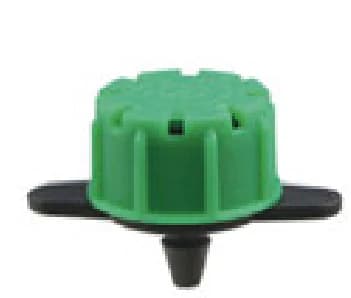
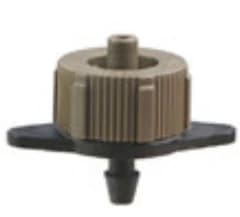
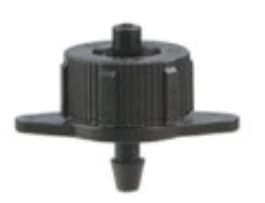
Sprinkler heads are the visible outlet of the system. They control how water is distributed across turf, landscape beds, or production areas, so they have the biggest influence on coverage quality.
Choosing the right spray pattern
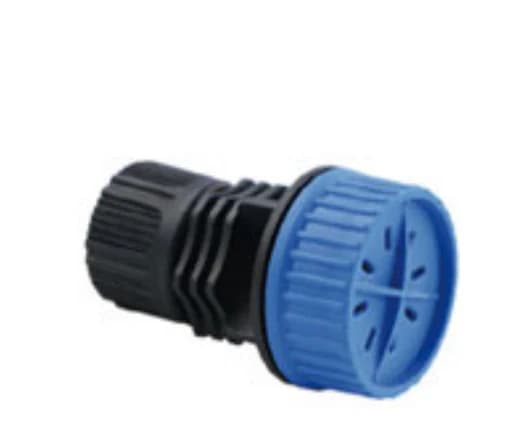
Rotor heads are typically the better choice for larger open areas because they apply water more slowly and cover longer distances. Fixed spray heads work well in smaller zones that need tight control around edges, beds, and structures. In orchards and greenhouse projects, micro-sprinklers can offer a better balance of radius and precision. If you are evaluating that kind of layout, see our greenhouse micro sprinkler solution.
What to inspect regularly
- Clogged nozzles or distorted spray patterns
- Heads tilted by traffic or soil movement
- Low pressure that causes short throw distance
- Mismatched nozzles inside the same zone
- Leaks around the body or riser
2. Valves
Valves are the control points that tell water where to go. Each valve normally serves one zone, which allows different landscape areas to run for different durations based on crop type, soil, and sun exposure.
Most modern systems use electric solenoid valves connected to a controller by low-voltage wiring. When the controller activates a zone, one valve opens while the others stay shut. That separation is what allows a lawn, shrub bed, and production block to run on independent schedules.
Because valves operate so often, they deserve routine inspection. If you need a dedicated maintenance checklist, read our irrigation valve maintenance guide.
Valve issues to watch for
- A valve that does not close fully, causing constant seepage
- Debris in the diaphragm or valve body
- Wiring faults that keep a zone from opening
- Poor zoning that mixes areas with very different water demand
3. Pipes and fittings
Pipes and fittings are the transport network of the system. They move water from the supply line to the valves and from the valves to each sprinkler head. Their job sounds simple, but pipe material, pressure rating, and connection quality all influence long-term reliability.
PVC is often selected for rigid pressurized sections, while PE tubing is useful where flexibility and easier routing are more important. If you are comparing those materials in more detail, see PVC vs PE pipes for irrigation.
Good piping practice
- Match fittings to the pipe specification and pressure class.
- Protect exposed sections from impact and freeze damage.
- Use flexible swing connections where mower traffic is likely.
- Repair cracks and loose joints as soon as they appear.
4. Backflow prevention
A backflow preventer protects the potable water supply from contamination. Irrigation water can carry sediment, fertilizer residue, or other field contaminants, so it should never be allowed to flow backward into the domestic line.
Different sites use different backflow devices depending on local code, pressure conditions, and freeze risk, but the purpose is always the same: keep the irrigation side isolated from the drinking water side.
Backflow protection works best alongside clean water management. If your water source carries debris or organic load, proper filtration becomes part of the same reliability strategy. For that side of the system, review how to select the right filtration system.
5. Controller or timer
The controller is the decision-maker. It tells each valve when to open, how long to run, and how often a cycle repeats. Without a sensible controller program, even high-quality heads and valves can overwater one zone and starve another.
Modern timers can help adjust irrigation by season or suspend cycles when rain or adequate moisture is detected. That kind of scheduling control is where much of the water savings actually happens.
Avoid the most common controller mistake
Do not leave one schedule unchanged all year. Spring, peak summer, and cooler autumn conditions rarely need the same runtime. Review zone duration regularly and adjust to actual weather and plant demand.
How the system works as one unit
An efficient sprinkler system is a chain: the controller triggers the valve, the valve directs water into the pipe network, the pipe network delivers it to properly selected heads, and the backflow device protects the clean water supply in the background. When those parts are matched correctly, coverage improves, waste drops, and maintenance becomes more predictable.
If you are planning a new sprinkler zone or upgrading an older layout, contact IrriNex for help matching components to pressure, coverage, and application requirements.