How Saline Water Irrigation Affects Soil Structure (and How to Manage It)
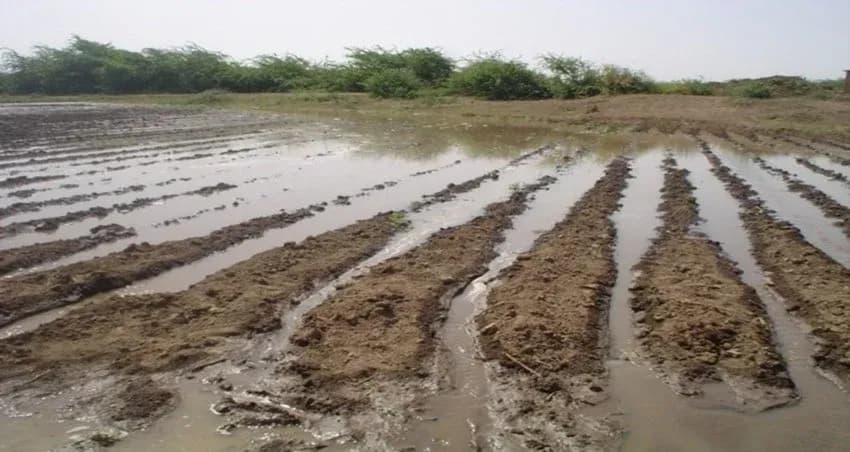
In short: Irrigating with saline water raises the level of sodium in the soil — a process called sodification — and when fresher water or rain later wets that sodic soil, the clay particles swell and disperse, clogging pores and sealing the surface. It matters because dispersed clay cuts water infiltration and aeration, causing runoff, surface crusting, poor seedling emergence, and lost productivity. The good news: the damage is manageable with the right water and soil practices. This guide explains the difference between salinity and sodicity, how saline water harms soil structure, and four proven techniques to protect it.
Water quality is as important to irrigation success as the hardware. IrriNex (a B2B agricultural irrigation manufacturer) notes that knowing your water before you design any irrigation system prevents both blockages and soil damage.
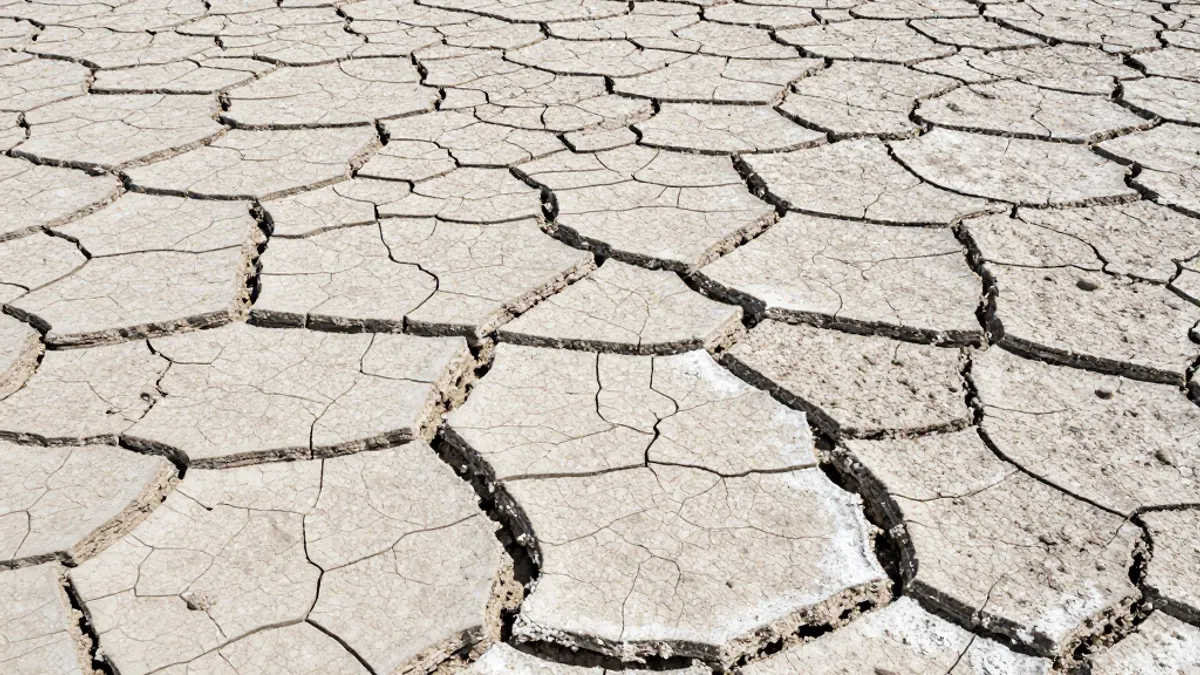
Salinity vs sodicity: what is the difference?
Salinity is the total concentration of dissolved salts, measured by electrical conductivity (EC); it limits a plant’s ability to take up water. Sodicity is a high proportion of sodium relative to calcium and magnesium; it damages soil structure. According to soil science references, water is classed as sodic when its sodium adsorption ratio (SAR) exceeds 3, and soil when its exchangeable sodium percentage (ESP) exceeds 6.
How saline water harms soil structure
When saline water is applied, sodium ions displace calcium and magnesium on the clay. Ironically, while the water stays salty the salt holds the soil together. The damage appears later — when fresher water or rain lowers the salinity, the weakened clay bonds let particles swell and disperse, blocking pores and reducing infiltration. This is why a sodic soil can look fine under saline irrigation, then seal up after rain.
Four ways to protect soil structure
- Shandy (blend) your groundwater. Mixing saline groundwater with fresher surface water to around 800 EC at every irrigation maintains a salt level that stabilises sodic soil, rather than alternating between straight groundwater and fresh water.
- Soil-test regularly. Test ESP, EC, clay dispersion, organic matter, and the calcium-to-magnesium ratio to catch a sodicity problem before it shows on the surface. Sodic soils develop slowly over years.
- Apply gypsum or lime. Gypsum (calcium sulphate) replaces sodium on the clay with calcium, reducing dispersion; the released sodium then leaches below the root zone. Apply it during land forming, before sowing, and again after the summer irrigation season.
- Build organic matter. Organic matter binds soil and improves stability. Aim for more than 2% organic carbon in the topsoil (0–10 cm) to help the soil resist dispersion.
Gypsum vs lime
| Amendment | How it works | Best suited to |
|---|---|---|
| Gypsum (calcium sulphate) | Supplies soluble calcium fast; reduces dispersion and swelling | Most sodic soils, and land forming on fragile soils |
| Lime (calcium carbonate) | Supplies calcium more slowly; also raises pH | Acidic soils with a pH below about 6.5 |
Conclusion and expert recommendations
First, test your irrigation water and soil before you commit to a source — SAR, EC, and ESP tell you whether you are managing salinity, sodicity, or both. Second, blend to a steady ~800 EC and keep organic carbon above 2% rather than swinging between salty and fresh water. Where structure is fragile, drip irrigation’s strong, localised leaching can help — plan it with how to plan a drip system and protect emitters with proper filtration.