Expert articles, practical guides, and updates for agricultural irrigation projects
100 post(s) - Page 5 of 7
Plan a small farm or greenhouse supply from peak daily demand, tested source yield, water quality, pump duty, storage, and emergency reserve.
Compare surface water, groundwater, and a managed hybrid by reliability, rights, quality, pumping, treatment, storage, and lifecycle risk.
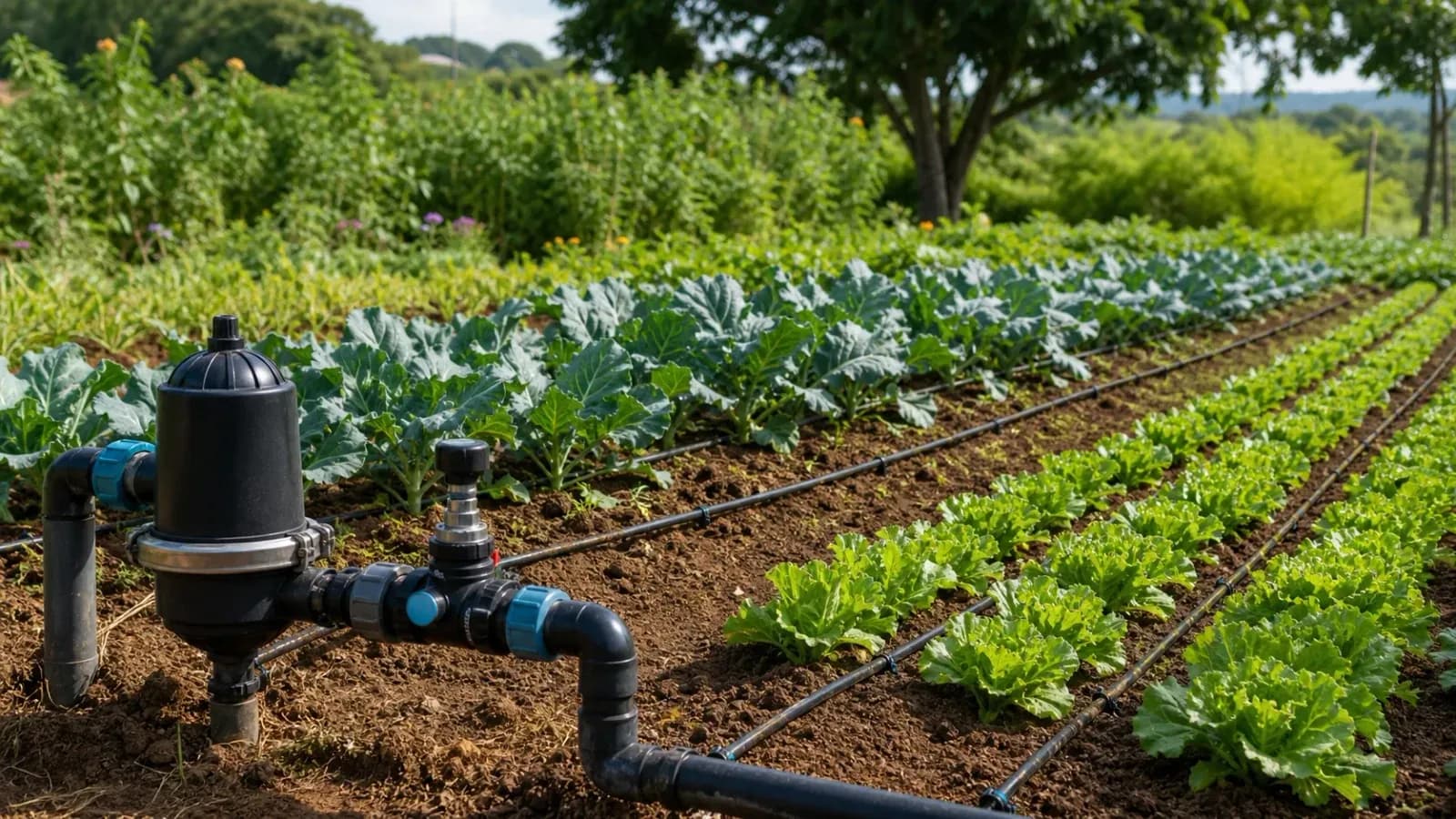
Design a reliable drip network by calculating zone demand, pressure loss, emitter layout, filtration, flushing, and field commissioning in order.
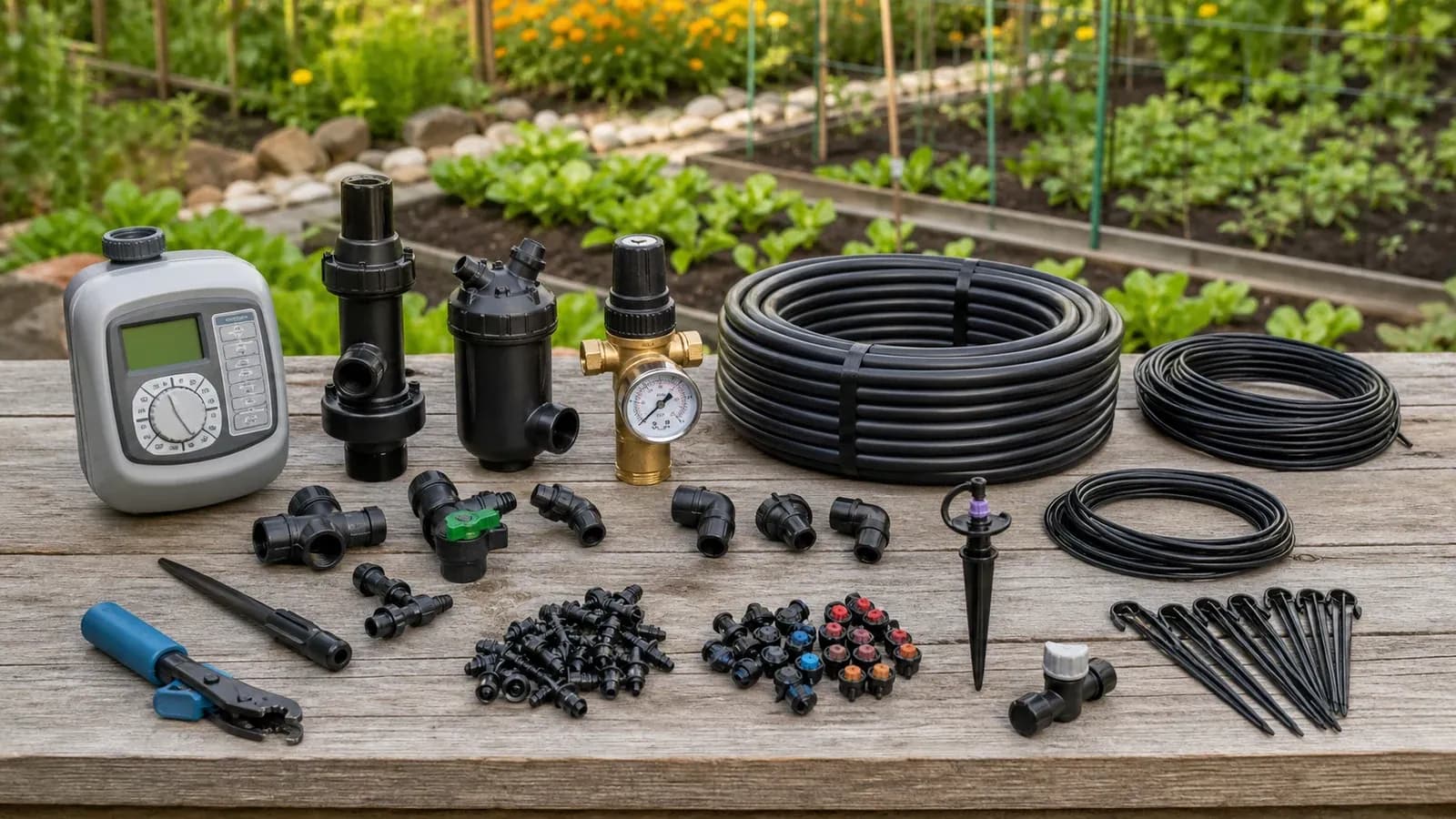
Compare drip kits, modular systems, and specified component layouts, then use five measured steps to build a compatible irrigation order.
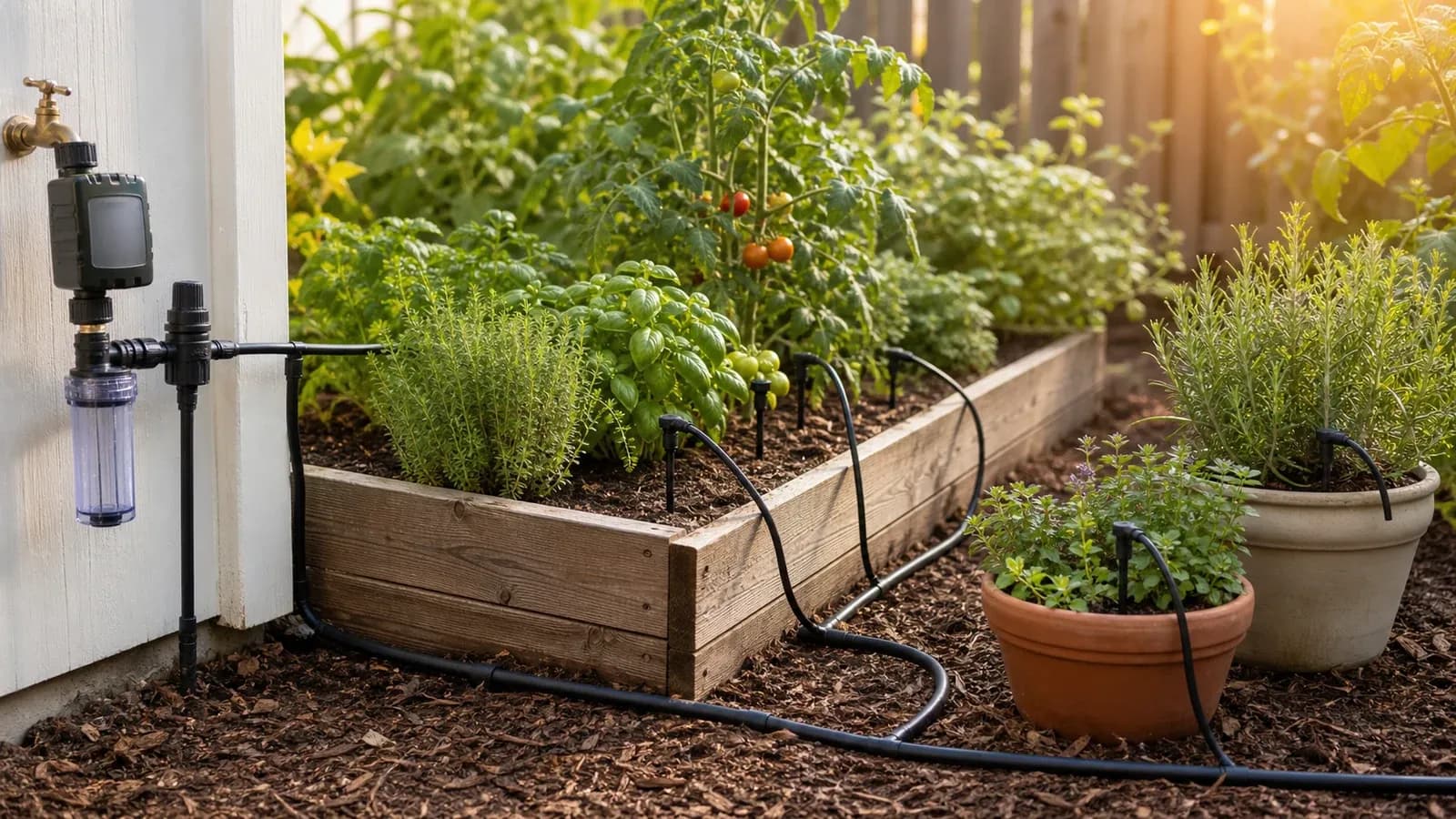
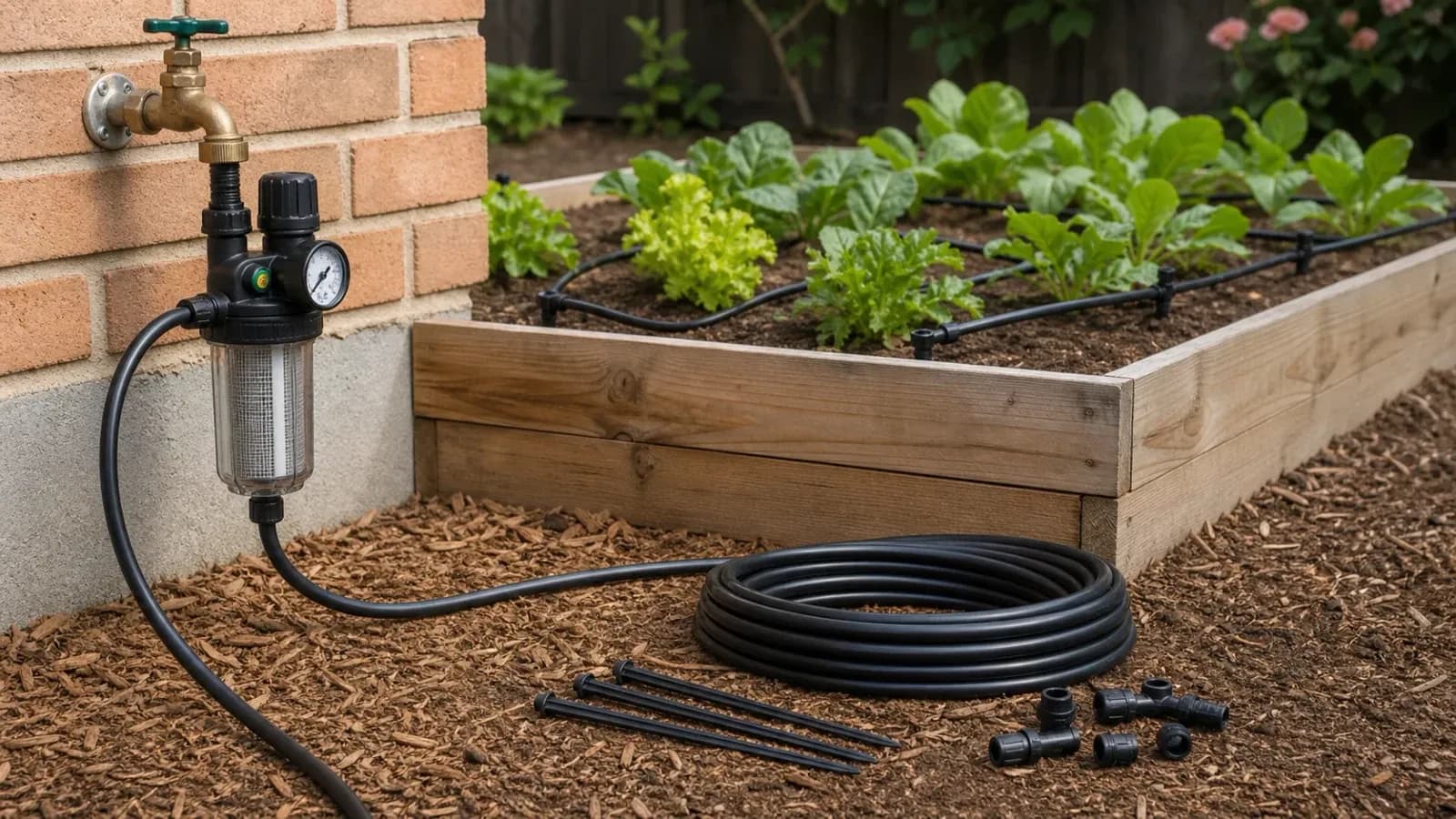
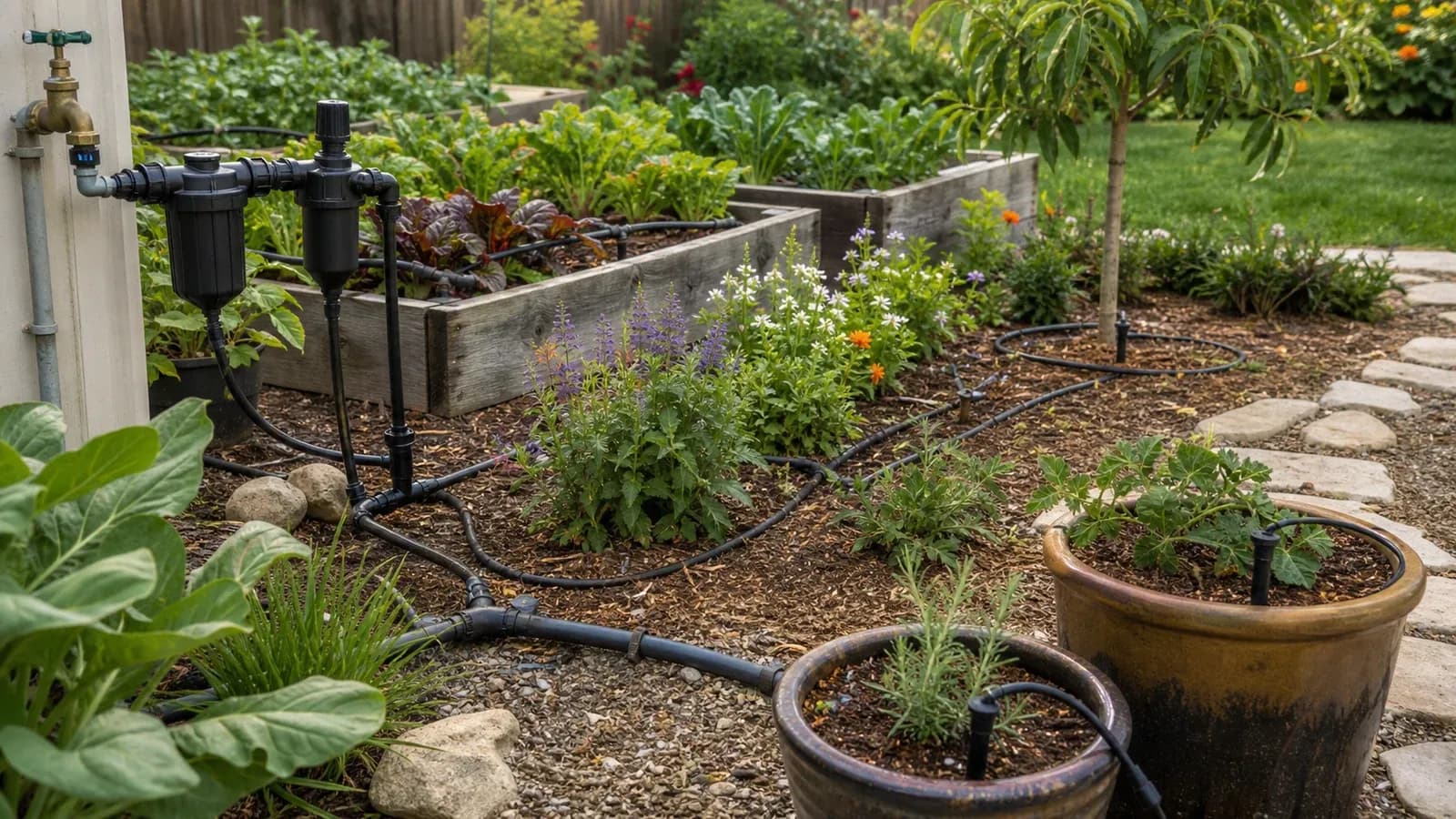
Build a simple garden drip system from the source to mainline, feeder tubes, outlets, stakes, flushing, and timer control.
Install a drip kit safely and reliably by checking the plan, assembling the head, routing tubing, flushing, testing, and scheduling.
Choose hose-end, in-ground, or root-zone watering by area, source capacity, coverage, controls, and maintenance needs.
Select overhead, drip, or soaker irrigation for vegetables by crop stage, disease risk, soil, layout, and maintenance.
Compare hand watering, sprinklers, dripline, and point emitters through a practical site-and-plant selection process.
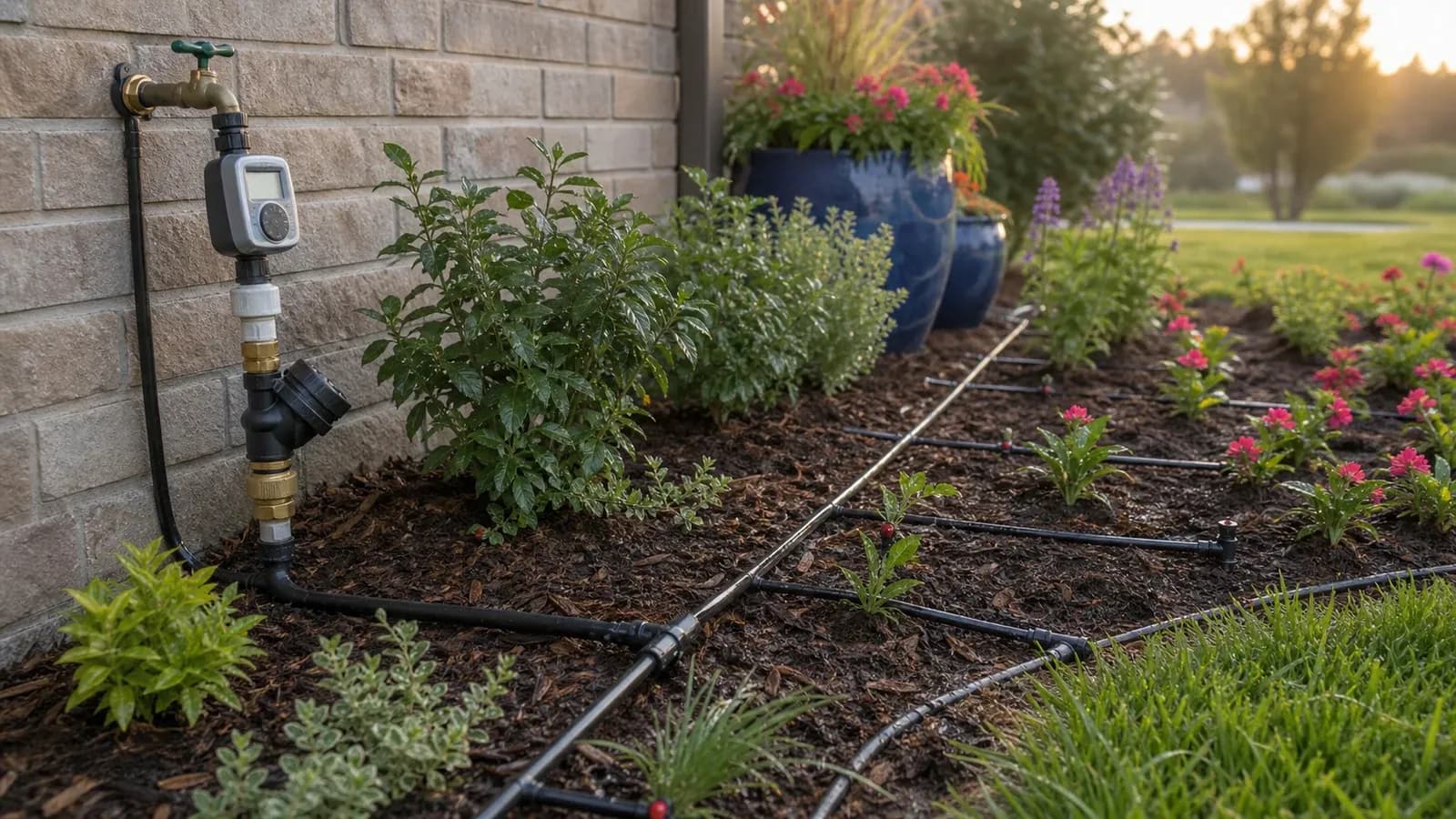
Measure the site, choose suitable outlets, and compare fixed, expandable, and custom landscape drip kits before ordering.
Micro spray tape sprays fine droplets along crop rows at low pressure, saving water. Learn the sizes, how it works, and how to keep it clear.
Pipe and riser systems replace open channels with pressurised pipework. Learn how flow rate, head loss, and pipe size drive cost and performance.
Irrigating with saline water can disperse clay and seal the soil. Learn the difference between salinity and sodicity — and four ways to manage it.
Every irrigation system needs a filter. Choose the right one by water source, emitter mesh requirement, cleaning, and space — in four steps.
Clogged emitters are the No.1 drip failure. Learn how to choose screen, disc, or media filters by mesh, micron, and water quality — in five steps.