what is the difference between c pipes
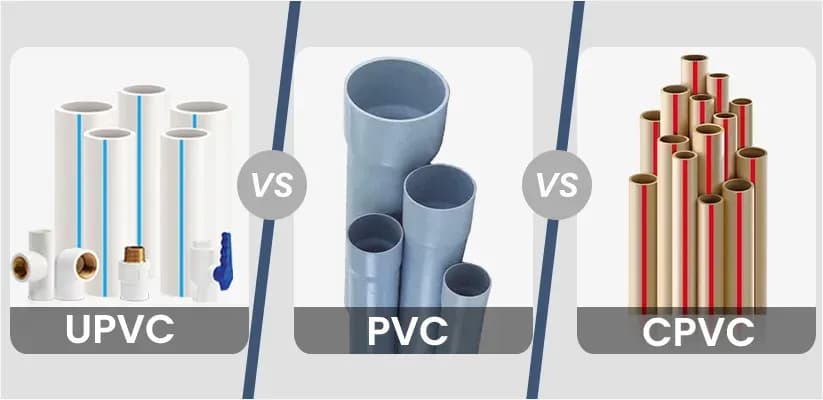
The difference between PVC, CPVC, and uPVC pipes is not just a naming detail. It affects temperature tolerance, rigidity, certification, and the kind of service conditions the pipe can handle. If you choose only by the label, you can end up with a material that is cheap on paper but wrong for the job.
In practical terms, uPVC is the rigid unplasticized version widely used for cold-water and drainage work. CPVC is modified to tolerate higher temperatures. The term PVC is often used either for the broader material family or, in some markets, as shorthand for rigid PVC pipe. That is why checking the actual specification matters more than relying on the name alone.
Why the terminology confuses so many buyers
People often use PVC, CPVC, and uPVC as if they were interchangeable. They are related, but they are not the same. In pipe discussions, uPVC usually refers to rigid unplasticized PVC used in cold-water, drainage, and many pressure applications. CPVC is chlorinated further, which improves heat resistance. Generic PVC can mean the whole polymer family or a rigid pipe product depending on the market.
Where uPVC is commonly used
uPVC pipe is rigid, corrosion resistant, and widely used for cold-water service, drainage, conduits, and many non-heated fluid applications. It is cost-effective and straightforward to install, which explains why it appears so often in water-distribution work.
That said, not every PVC-based pipe should be assumed safe for potable use. Formulation and certification still matter.
What CPVC changes
CPVC is produced by chlorinating PVC resin further. That extra chlorine improves temperature resistance, which is why CPVC is chosen where the system has to tolerate hotter water than standard rigid PVC normally would.
That is the practical decision point. If the service temperature is higher, CPVC may be the right material. If it is a cold-water or drainage application, uPVC often remains the more common option.
Where each material makes sense
- uPVC: cold water, drainage, and many rigid pressure applications
- CPVC: hot and cold water systems that need higher temperature tolerance
- Generic PVC label: depends on local usage, so confirm the real specification
Why this matters in irrigation and water transport
In irrigation, pipe selection is rarely about one property alone. Temperature, sunlight, working pressure, joining method, and installation style all influence the correct choice. If you are comparing rigid PVC-family materials with polyethylene field lines, see the IrriNex article on PVC vs PE pipe comparison.
Many irrigation systems also rely on PE main pipe and PE lateral pipe where flexibility and easier routing are priorities.
Checks to make before you choose
- Maximum operating temperature
- Pressure class and safety margin
- Potable-water approvals if relevant
- UV exposure and outdoor durability
- Compatibility with fittings, valves, and joining method
A common selection mistake
A frequent mistake is choosing pipe only on initial cost or on a familiar label without checking temperature and certification. A pipe that works perfectly for a cold-water irrigation branch may be the wrong choice for a hot-water plumbing line, and a drainage product is not automatically right for pressurized potable use.
Bottom line
The practical difference between PVC, CPVC, and uPVC pipes comes down to rigidity, temperature tolerance, and approved application. uPVC is the common rigid option for cold-water and drainage work, CPVC is the higher-temperature variant, and the word PVC should always be interpreted against the real product specification.
If you are comparing materials for an irrigation project or weighing PVC-family pipes against PE systems, contact IrriNex for help reviewing the operating conditions.