what is irrigation system
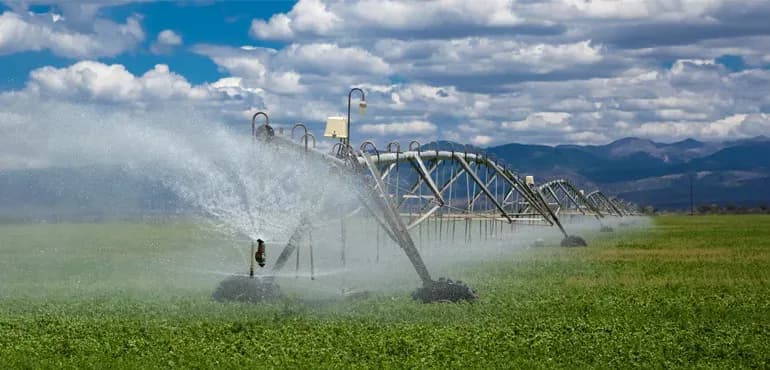
An irrigation system is not just a way to move water from one point to another. It is a controlled network that decides where water goes, how evenly it is applied, how much is delivered, and how manageable the whole process becomes for the grower or site operator. That control is the real difference between simply watering plants and operating an irrigation system.
At its best, irrigation matches water delivery to the crop, the soil, the climate, and the work routine behind the site. At its worst, it pushes water around without much precision and wastes pressure, labor, fertilizer, and time.
How an irrigation system works in practice
Most systems start with a water source such as a reservoir, well, river intake, tank, or pressurized supply line. Water then moves through pipes, valves, filters, and control components until it reaches the point of application. Depending on the design, that final application may happen through surface flow, sprinklers, drip emitters, or buried drip lines.
Modern irrigation depends as much on control as on delivery. A clog-sensitive layout needs correctly sized irrigation filters. A fertigation setup may also rely on fertilizer injectors so nutrients and water can be delivered together in a measured way.
Why irrigation systems are used
Irrigation becomes necessary when rainfall is irregular, seasonal, insufficient, or too unreliable to support stable plant growth. In agriculture, it often separates unpredictable output from consistent commercial production. In landscaping and greenhouse work, it provides timing and uniformity that manual watering rarely sustains for long.
Main irrigation methods
Surface irrigation
Surface irrigation uses gravity to move water across the field. It is one of the oldest methods and can still be cost-effective under the right field conditions, but it generally offers less control and lower water-use efficiency than pressurized systems.
Sprinkler irrigation
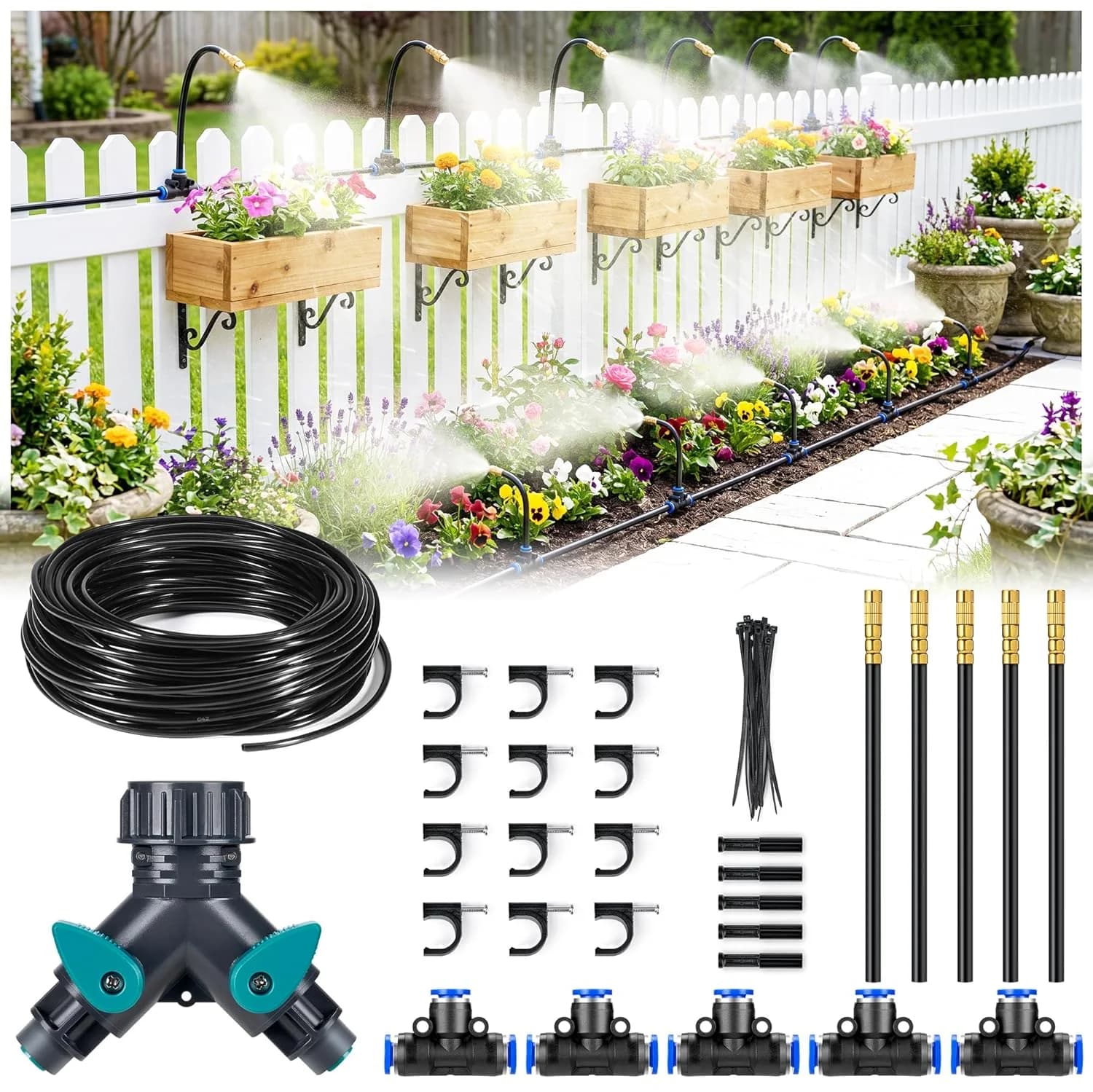
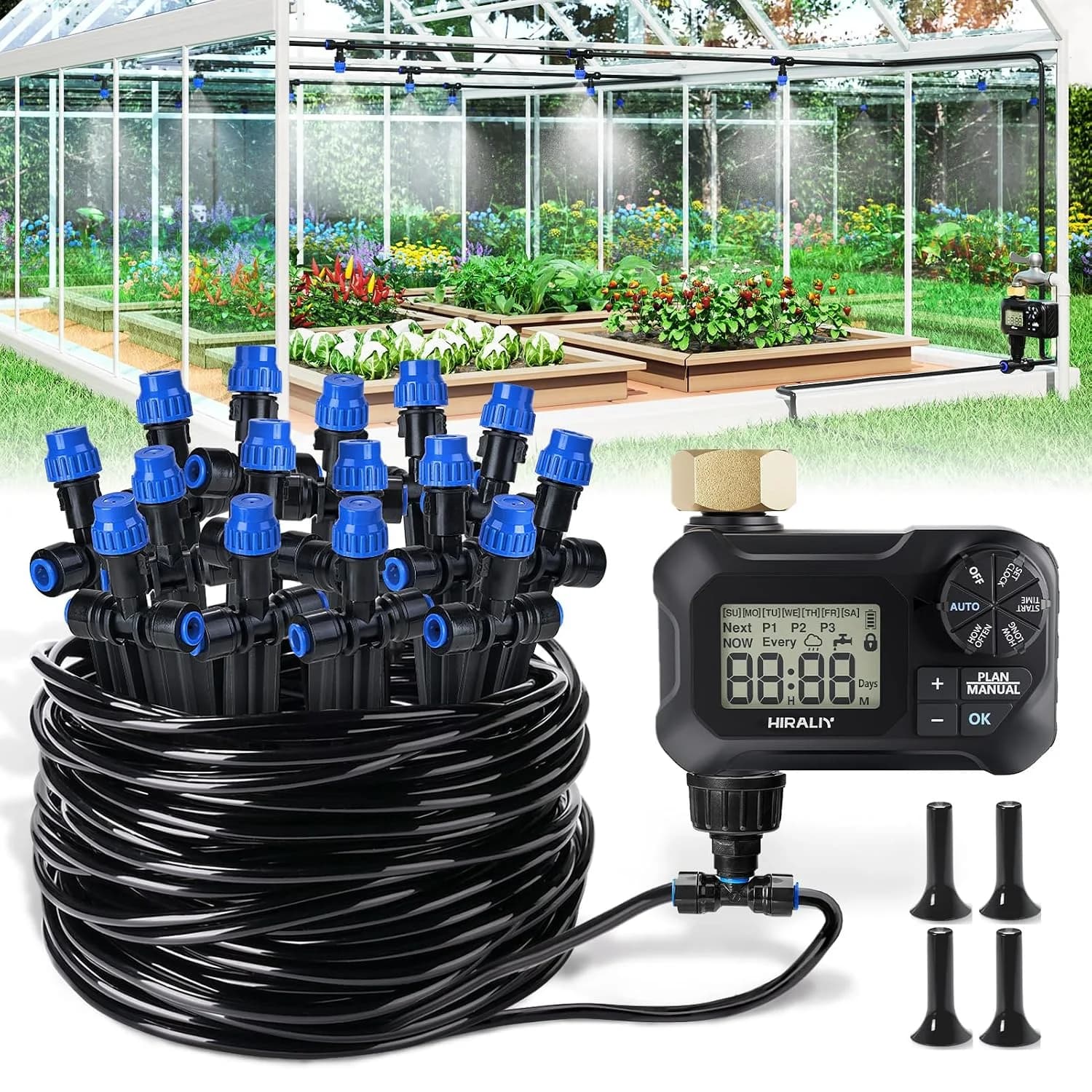
Sprinkler systems distribute water through nozzles so it falls over the crop like rainfall. They are useful when you need area coverage, cooling, or a layout that suits broad-field application. For protected cultivation or nursery use, a greenhouse micro sprinkler system can provide more targeted coverage than a full-size overhead design.
Drip irrigation
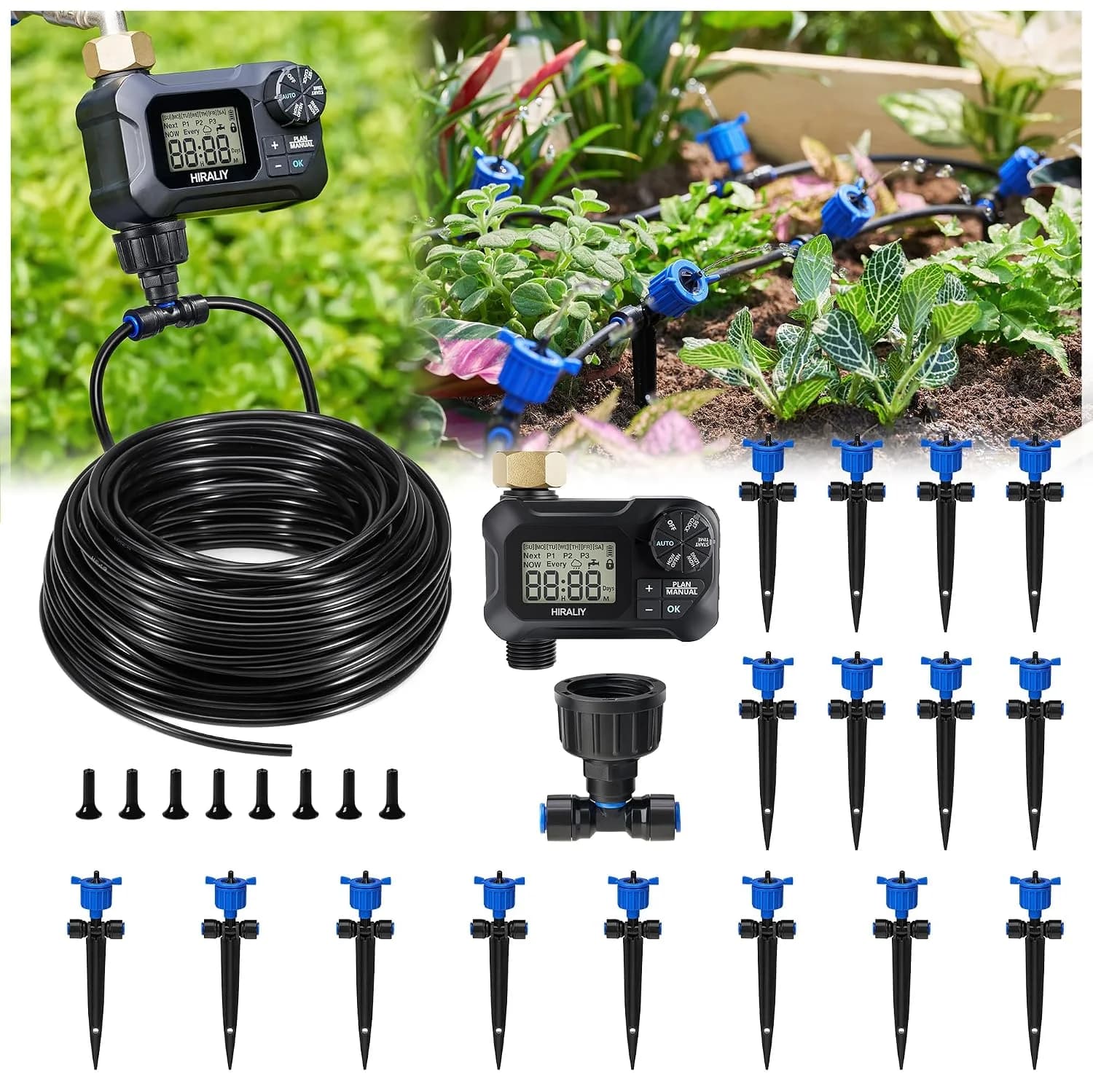
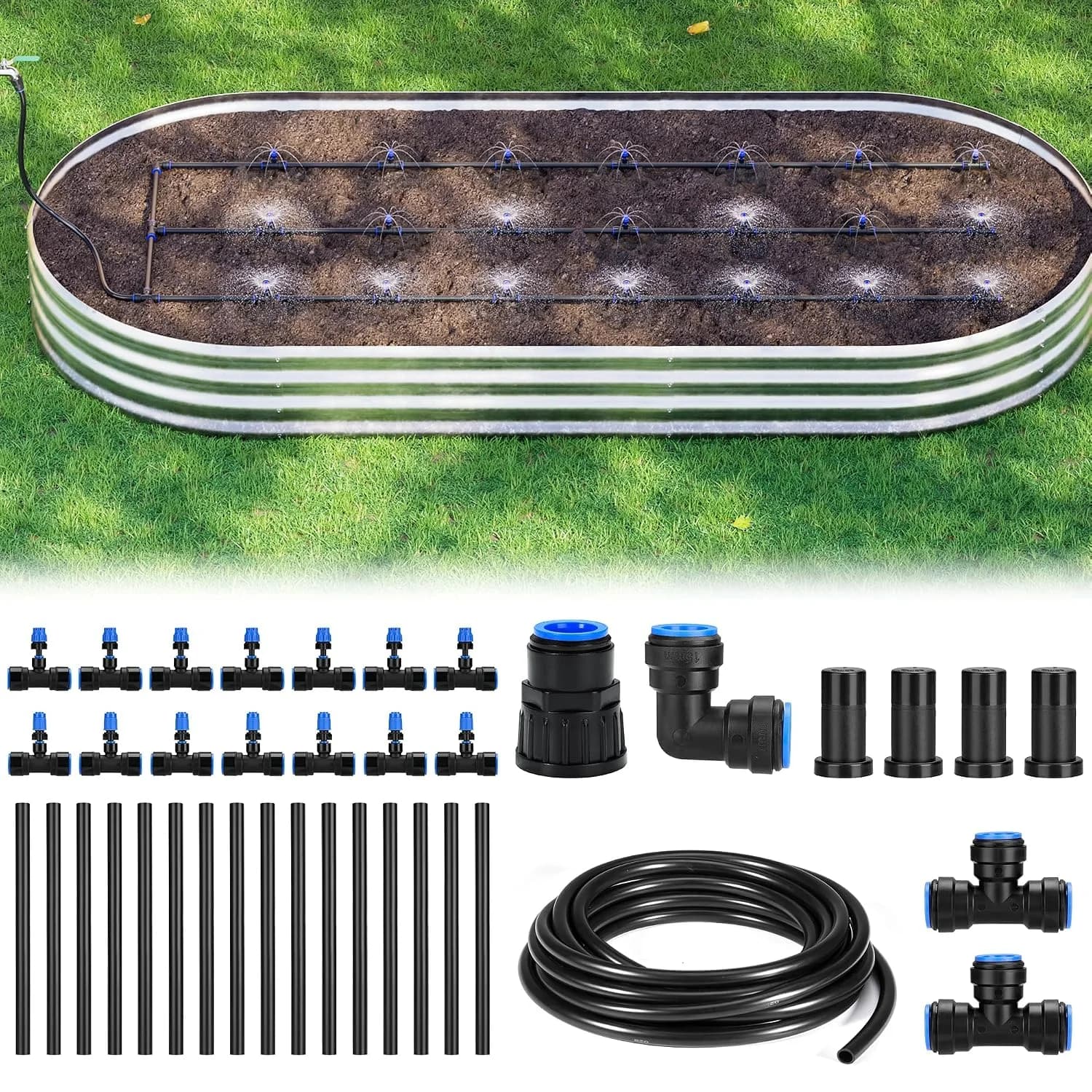
Drip irrigation applies water close to the root zone through emitters, drip line, or drip tape. It is widely used where water efficiency and root-zone precision matter. If you want a practical example of how this is usually arranged in production, review our vegetable drip irrigation solution and drip irrigation product range.
Subsurface drip irrigation
Subsurface drip places the line below the soil surface. It further reduces evaporation and keeps water close to the root zone, but it usually demands more discipline in design, installation, and maintenance.
What parts are usually included
- A water source or pumping point
- Filtration and pressure regulation
- Mainline and lateral pipework
- Valves and zoning control
- Emitters, drippers, sprinklers, or drip tape
- Optional automation, sensing, and fertigation equipment
How to decide which system fits
No single method suits every crop or every site. Soil type, field shape, climate, water quality, available pressure, labor capacity, and budget all influence the right choice. Drip often suits row crops and precision irrigation. Sprinklers make more sense where wider coverage or cooling is important. Surface irrigation may still be practical where terrain and budget strongly favor it.
Water quality and operating discipline matter just as much. Even a well-designed layout underperforms if filtration is weak, scheduling is inconsistent, or pressure control is poor. For related operating ideas, see our water-saving irrigation tips.
Why efficient irrigation matters
Efficiency is not only about saving water. Good irrigation can reduce nutrient loss, help stabilize crop development, lower some weed pressure, and make labor more productive. In water-constrained regions, it is often both an agronomic decision and a business decision.
Bottom line
An irrigation system is a controlled water-delivery network designed to keep plants productive when rainfall is not enough or not dependable enough. The best system is usually the one that fits the crop, the water source, and the site's management reality rather than the one with the longest equipment list.
If you are comparing options for a new project, explore IrriNex irrigation solutions or contact IrriNex for technical guidance.