Layflat Pipe and Pre-Install Hoses: Selection and Deployment
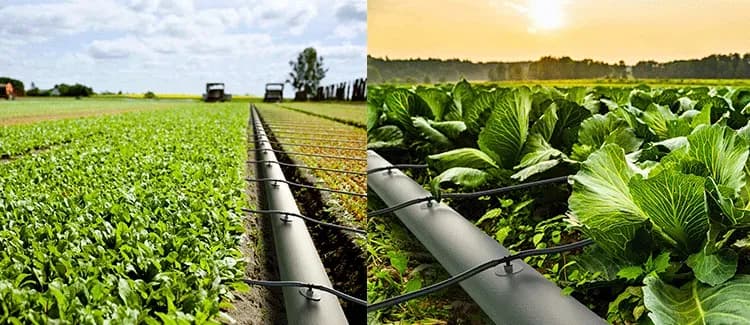
Summary: Layflat pipe and pre-install hoses are flexible lines that lie flat when empty and move water or other compatible fluids across fields, construction sites, and temporary work zones before permanent pipe is justified. They expand under pressure, roll compactly for storage, and connect quickly to pumps, fittings, valves, and distribution lines. In agriculture and site work, they cut setup time, reduce storage volume, and lower trip hazards compared with rigid pipe or bulky round hose. They are especially useful when the route, crop block, or jobsite changes faster than permanent infrastructure can keep up. That makes hose selection less about catalog language and more about matching the material, pressure class, and coupling system to the real job.
What layflat pipe pre-install hoses are
A layflat hose is a collapsible fluid-transfer hose that lies flat when empty and rounds out when pressurized. The term pre-install hose describes its role before a permanent pipe network is built, before a crop season starts, or before a job site has final utilities. It gives crews a fast way to move water without trenching, gluing rigid pipe, or committing to a fixed route.
In irrigation, layflat hoses often serve as temporary mains, pump discharge lines, drip tape headers, or field distribution lines. For matching components, see layflat hoses and tubing and fitting products.
Main benefits of layflat pipe pre-install hoses
Layflat hoses solve three practical problems: transport, setup speed, and route flexibility. A long hose can be rolled compactly, moved with fewer people, and deployed over uneven ground faster than rigid pipe. When the project changes, crews can reroute the line without rebuilding the system.
The flat profile also reduces trip hazards when the hose is not pressurized and makes storage more efficient. In temporary irrigation, dewatering, and emergency response, those handling advantages often matter as much as flow capacity.
How to choose a layflat pre-install hose in 5 steps
Step 1: Define the application before selecting material
Agricultural irrigation, construction dewatering, flood control, and industrial transfer stress the hose differently. Identify whether the hose will carry clean water, sandy water, fertilizer solution, slurry, or another compatible fluid. Material selection should follow the fluid and field conditions.
Step 2: Size diameter and length for required flow
Choose diameter based on pump output, distance, and acceptable pressure loss. Longer runs and higher flow need larger diameter to reduce friction loss. Avoid undersizing because it increases energy cost and can starve downstream equipment.
Step 3: Verify pressure rating and safety margin
Check working pressure, test pressure, and burst pressure before purchase. The hose must handle pump pressure plus surges from valve closure or pump startup. For field use, keep a practical safety margin rather than operating near the maximum rating.
Step 4: Match couplings, valves, and take-offs
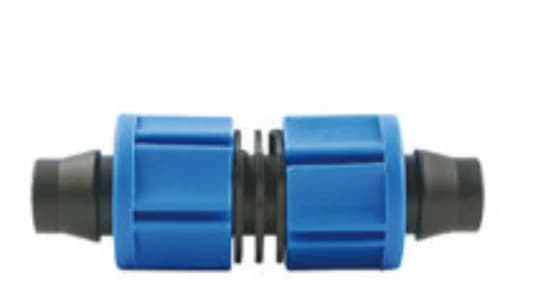
Layflat performance depends heavily on connection quality. Use couplings and offtake valves that match the hose diameter, wall thickness, and pressure class. For row irrigation, related components include bypass valves and drip tape fittings.
Step 5: Plan deployment, protection, and storage
Route the hose away from sharp edges, vehicle traffic, and unnecessary bends. Drain and roll it cleanly after use, then store it out of direct sun when possible. Good storage habits often add more life than a small upgrade in material grade.
Layflat hose material comparison
| Material option | Pros | Cons | Best suited for |
|---|---|---|---|
| PVC layflat hose | Economical, easy to roll, widely available, suitable for general water transfer | Lower abrasion resistance and shorter service life in rough terrain | Best suited for seasonal irrigation, light dewatering, and budget-sensitive projects |
| PU or TPU layflat hose | Higher abrasion resistance, stronger flex performance, better for frequent deployment | Higher purchase cost than standard PVC | Best suited for contractors, mobile irrigation, and abrasive field routes |
| Rubber-covered layflat hose | Strong impact tolerance and good performance in demanding transfer work | Heavier handling and larger storage volume | Best suited for industrial transfer and emergency service crews |
Applications of layflat pipe pre-install hoses
Agricultural irrigation
Layflat hose moves water from pumps to field headers, drip tape, sprinklers, or temporary distribution zones. It is useful when crop layout changes by season or when a grower wants to avoid permanent buried pipe. For crop-focused layouts, review the vegetable drip irrigation solution.
Construction and dewatering
Construction sites use layflat hoses to remove water from excavations, foundations, and low areas. The hose can be deployed quickly, relocated as the site changes, and rolled away after the job. Abrasion resistance matters when the route crosses gravel, rebar, or concrete edges.
Emergency flood control
Emergency teams use layflat hoses with pumps to redirect water away from buildings, roads, and work areas. Fast deployment reduces response time, and compact storage lets crews keep longer hose lengths ready. Couplings must be simple, reliable, and compatible with field pumps.
Industrial fluid transfer
Industrial users choose layflat hose for temporary movement of water, compatible chemicals, and slurry-like fluids. Chemical compatibility must be verified before use because not every hose liner tolerates fertilizers, fuels, solvents, or process liquids.
Common mistakes with layflat pipe pre-install hoses
- Selecting by length and price without checking working pressure.
- Dragging standard PVC hose over abrasive ground every day.
- Using couplings that do not match the wall thickness or pressure class.
- Leaving water trapped in the hose before storage.
- Running vehicles over a pressurized hose without protection.
Bottom line
Layflat pipe pre-install hoses are a practical way to move water before permanent pipe is justified or when temporary routing is the smarter choice. Choose the hose by application, diameter, pressure rating, material, and coupling system rather than by price alone. Expert advice: if the hose will be moved every week, prioritize abrasion resistance and coupling quality; if it will stay in one seasonal route, prioritize correct diameter and pressure rating. For related equipment, explore layflat hose products, main pipe, and irrigation accessories.