How to Fix an Irrigation Hose Leak Without Replacing the Whole Line
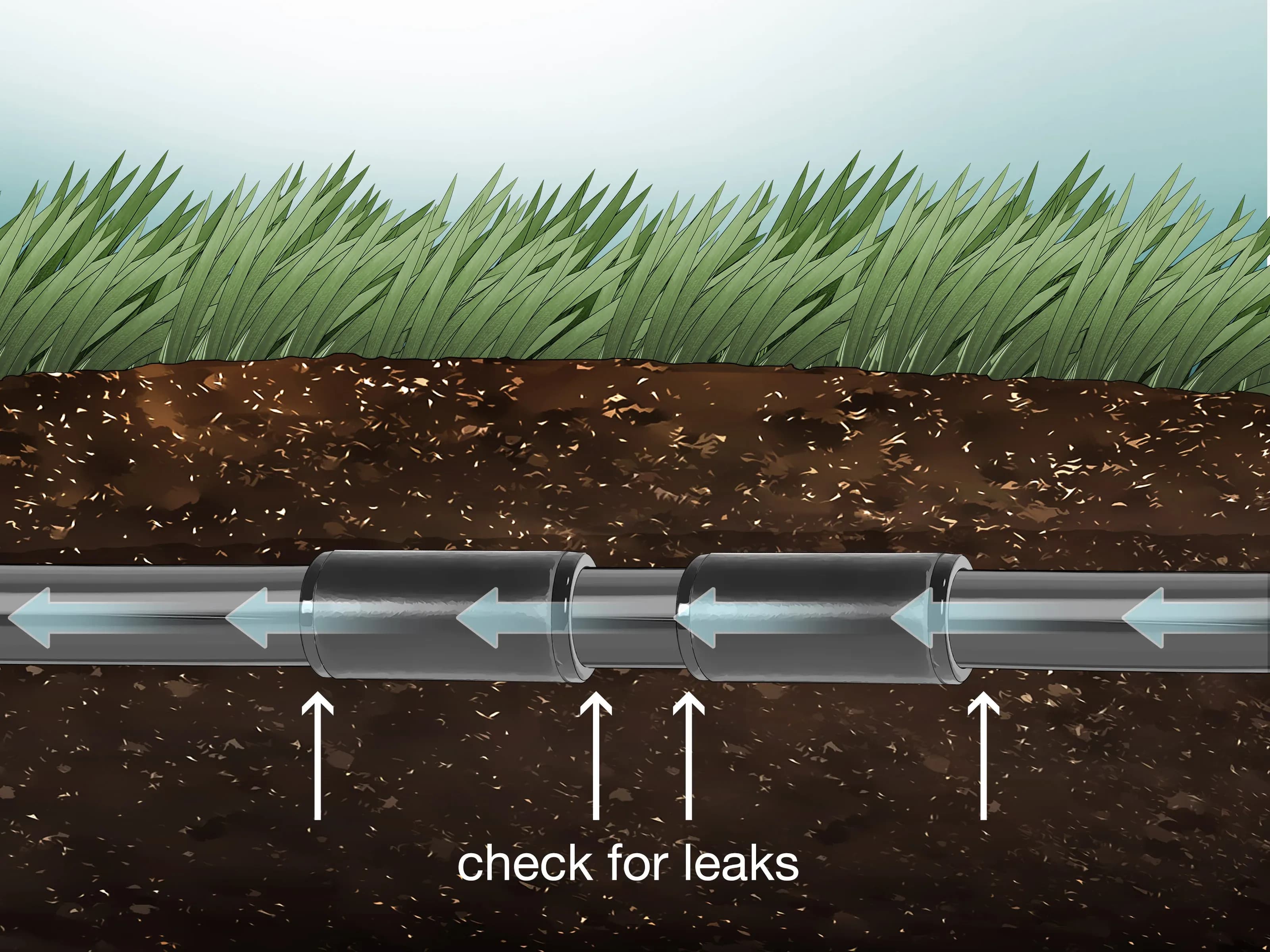
Summary: Fixing an irrigation hose leak means stopping water loss in a drip line while keeping the rest of the zone at its designed pressure and flow. Most leaks come from a puncture, split tubing, a loose fitting, or a damaged emitter. The right repair depends on the hole size: use a goof plug for a small puncture, a coupler for a cut or split, and a replacement emitter when the leak starts at the dripper. According to the U.S. EPA WaterSense program, household leaks waste nearly 1 trillion gallons of water each year in the United States. In irrigation systems, leaks also reduce downstream pressure, so fast repair protects plant health as well as water cost.
Why an irrigation hose leak affects the whole zone
A drip zone is a low-pressure network. When water escapes through one opening, emitters farther down the line may discharge less than their rated flow. That can leave the first plants overwatered and the far plants dry.
Leak repair is therefore not cosmetic. It is a pressure-control task. If the same section fails repeatedly, check pressure regulation and filtration before blaming the tubing.
Tools for fixing a drip irrigation leak
- Tubing cutter
- Goof plugs
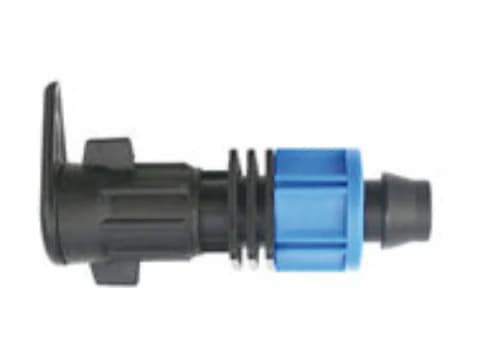
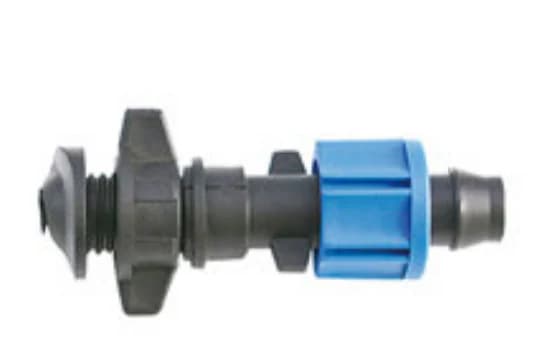
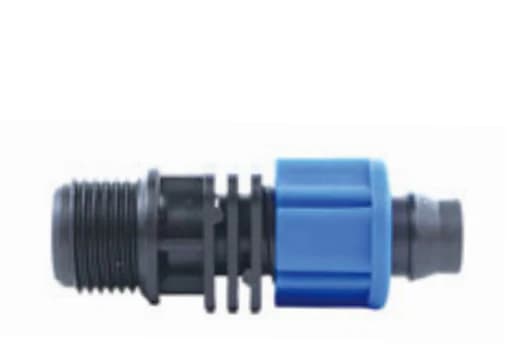
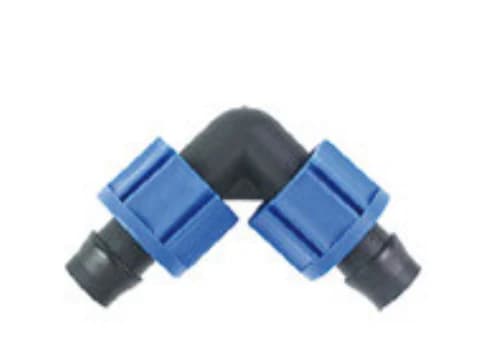
- Barbed couplers or compression fittings
- Replacement drippers or micro emitters
- Short piece of matching PE tubing
For replacement emitters, see IrriNex drippers. For connections, see barbed fittings.
How to fix an irrigation hose leak in 5 steps
Step 1: Locate the exact leak
Run the zone briefly and walk the tubing. Look for spray, pooling water, unusually wet soil, or one plant growing much faster than the rest.
Step 2: Shut off water before cutting
Close the valve and wait for residual pressure to bleed out. Cutting under pressure pulls soil into the tubing and makes the repair messier.
Step 3: Choose the repair type
Use a goof plug for a clean small hole. Use a coupler when the tubing wall is cut or split, and replace any emitter with a cracked body or loose barb.
Step 4: Make a clean connection
Cut squarely, remove damaged material, and push the tubing fully over the fitting. Do not force an oversize fitting into undersize tubing.
Step 5: Pressure-test and cover the repaired area
Turn the zone on slowly and inspect the repair. Once dry, cover the tubing with mulch or shallow soil to reduce UV exposure and accidental damage.
How to fix small holes with goof plugs
- Remove the failed emitter if one is present. Pull it out cleanly so the hole shape stays round.
- Push the goof plug straight into the hole. A sideways push can stretch the tubing and create a larger leak.
- Test the repair at operating pressure. If the plug weeps, replace that short section of tubing instead.
How to deal with clogged or damaged emitters
A leak is sometimes mistaken for a failed line when the real issue is an emitter. Remove the dripper, rinse it with clean water, and check for mineral scale or sediment. If cleaning does not restore flow, replace the emitter and seal the old hole if it is enlarged.
Repeated clogged emitters point to water quality. A screen or disc filter from the IrriNex irrigation filters range is usually the most effective upstream fix.
Repair method comparison
| Leak type | Repair method | Suitable for |
|---|---|---|
| Tiny puncture | Goof plug | Suitable for home gardens and new layouts with misplaced emitter holes |
| Cut or split tubing | Cut out damage and install a coupler | Suitable for vegetable rows and landscape beds |
| Cracked emitter | Replace emitter and seal old hole if needed | Suitable for greenhouse and nursery systems |
| Several leaks in one run | Replace the section | Suitable for commercial sites where labour time matters |
Maintenance that prevents the next leak
- Inspect zones monthly during the growing season.
- Flush laterals after repairs and at least once per season.
- Use pressure regulation, especially when the supply exceeds 30 psi.
- Protect exposed tubing with mulch.
- Winterize before freezing weather; see the IrriNex irrigation winterization guide.
Bottom line
A drip irrigation hose leak is usually a small repair, but it should not be ignored. Fix the opening, then look for the reason it happened: pressure, sun exposure, clogging, or physical damage. Keep goof plugs, couplers, spare emitters, and a cutter on site. For full drip layouts, browse IrriNex drip irrigation products or contact IrriNex for a parts review.