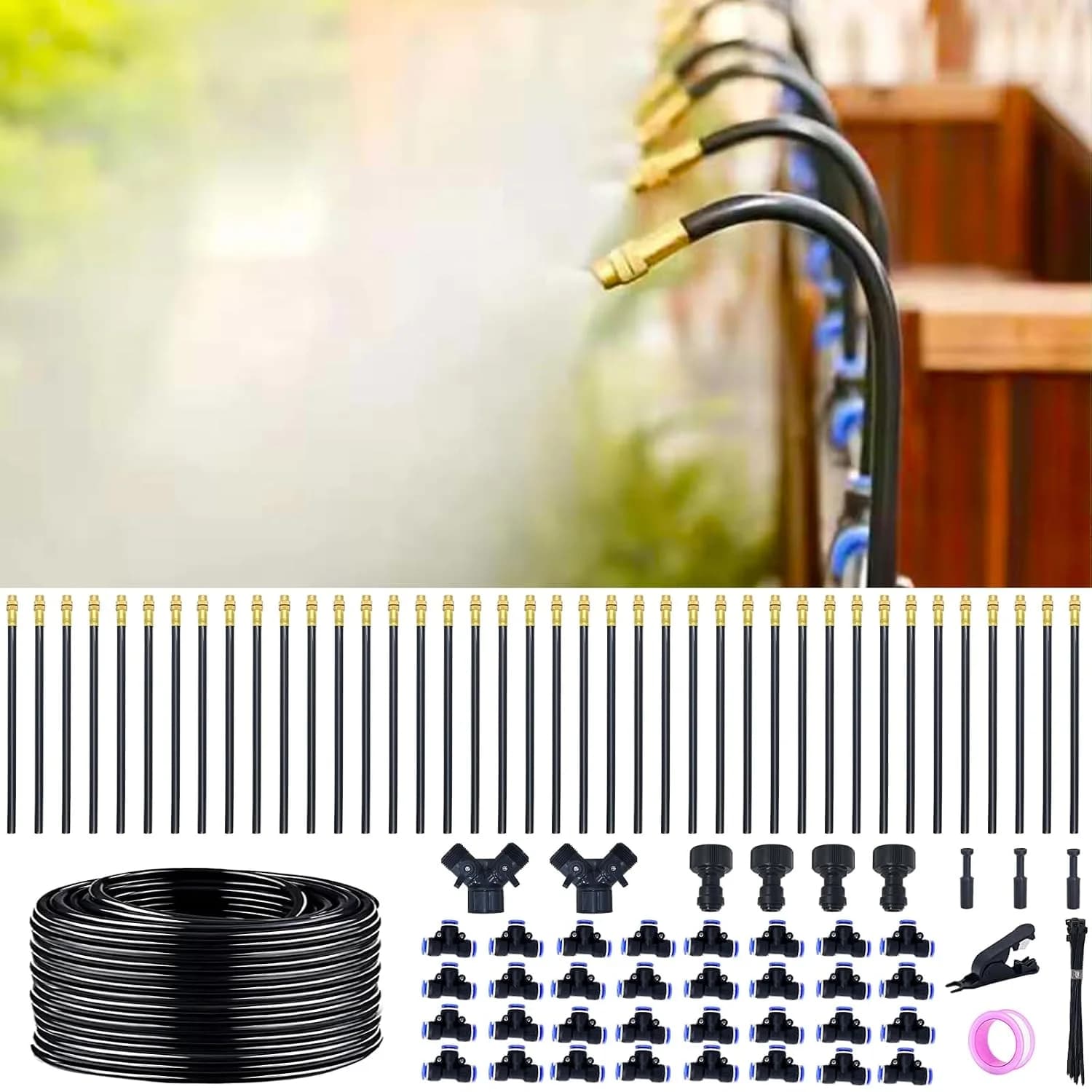
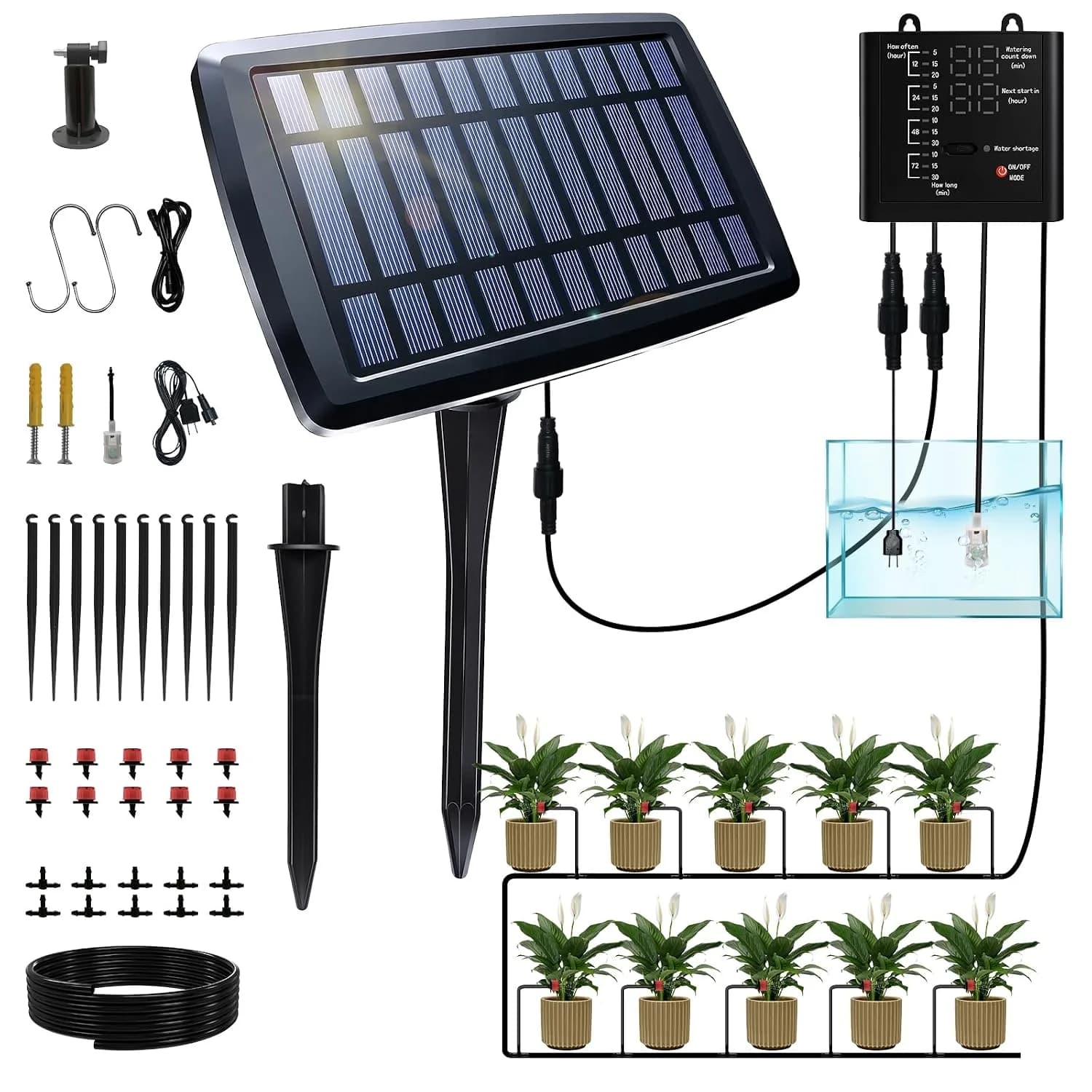
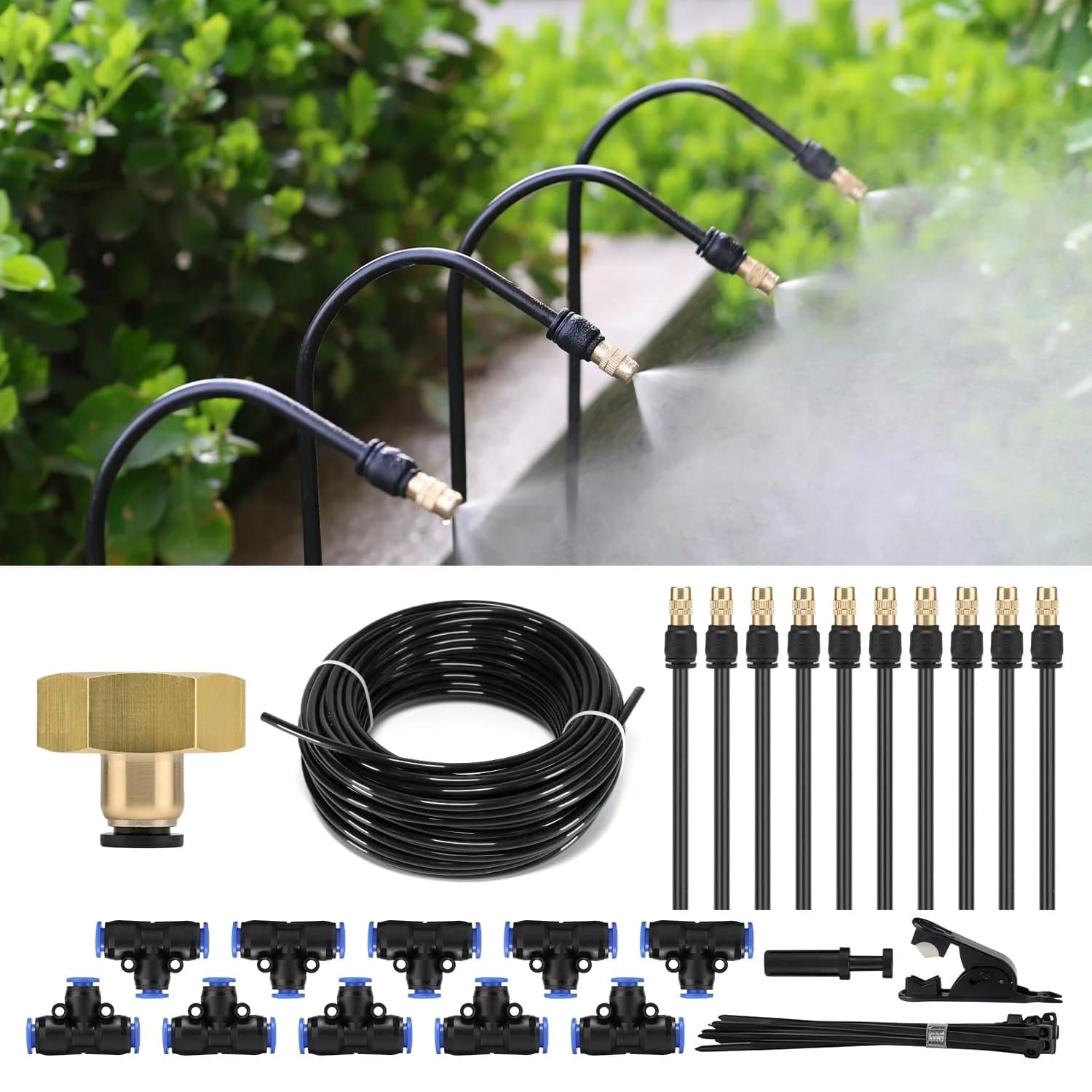
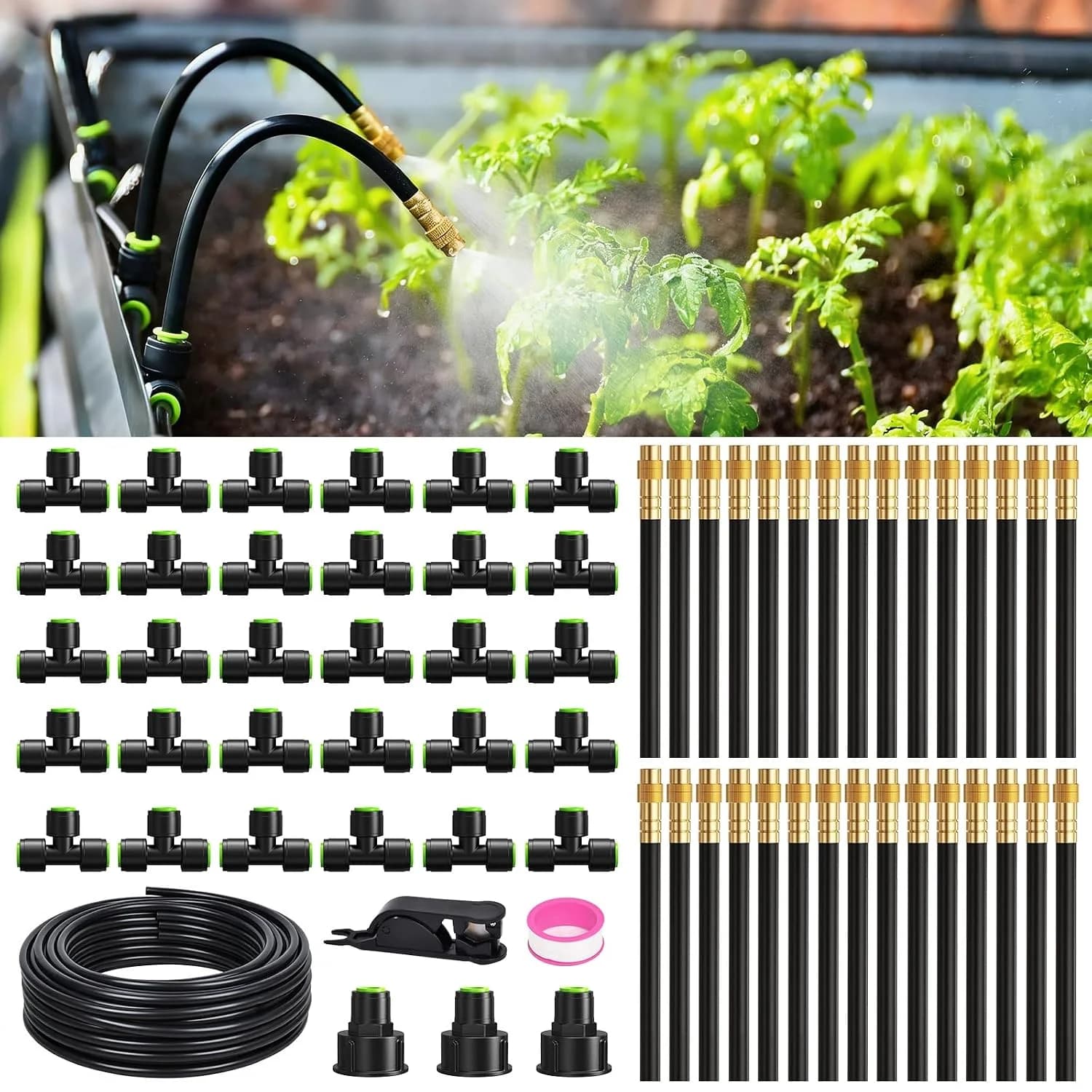
how to winterize irrigation system
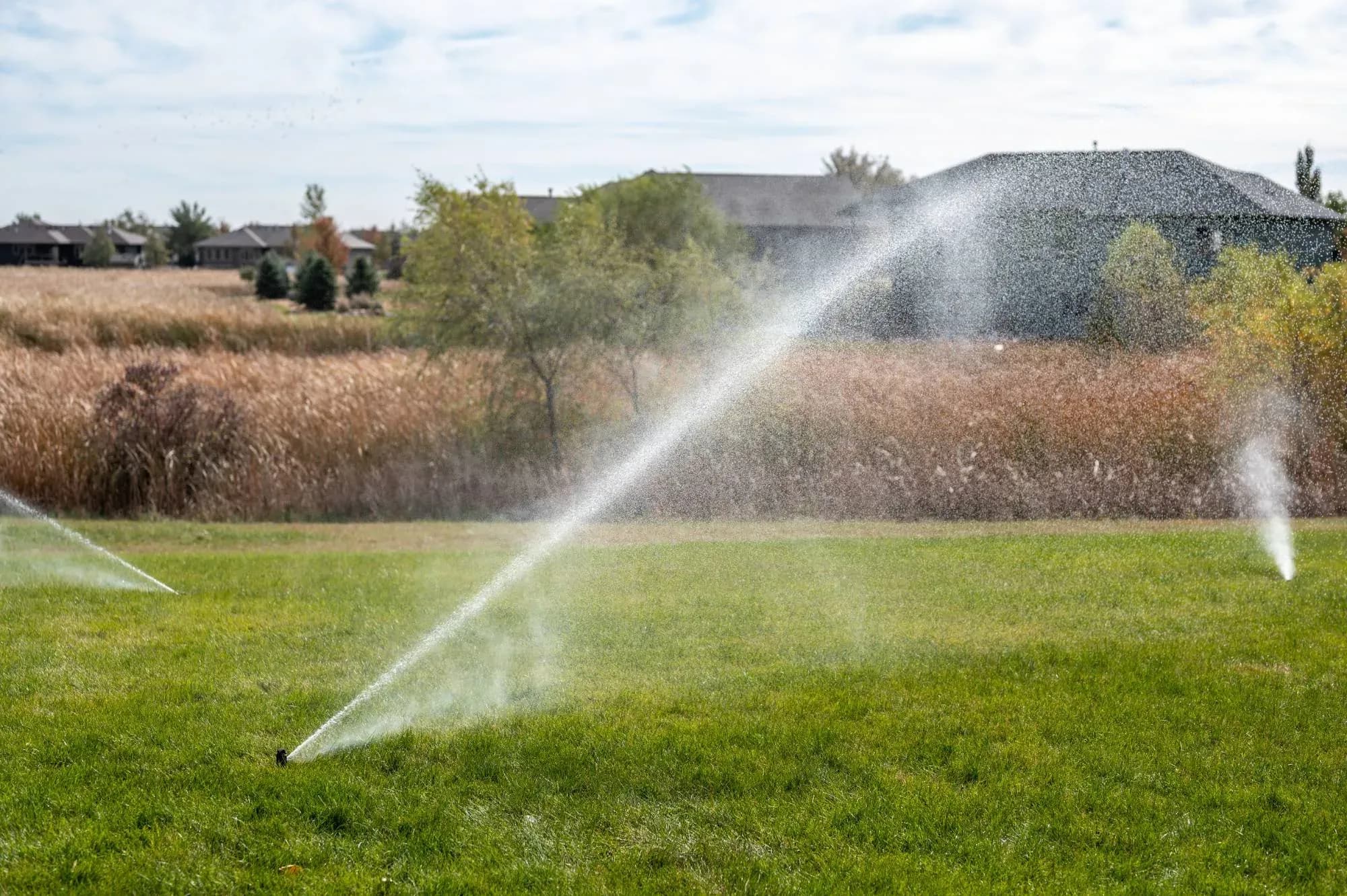
Winterizing an irrigation system is not complicated in theory. The goal is simply to make sure no vulnerable part is left holding water when freezing weather arrives. In practice, that means shutting off the supply, disabling automatic starts, clearing the lines with a method the system can actually tolerate, and protecting exposed assemblies before the first hard freeze.
Do that well and spring startup is usually uneventful. Skip it, or do it too late, and small pockets of trapped water can split pipes, crack valves, damage manifolds, or ruin a backflow device that was expensive to replace in the first place.
Why freeze damage shows up so often in spring
Irrigation parts are built for pressure and outdoor service, not for expanding ice trapped inside them. Freeze damage often stays invisible through winter, then shows up in spring as leaking fittings, broken risers, cracked valve bodies, or a backflow assembly that suddenly will not seal. If your zone hardware is already aging, it is worth running through an irrigation valve maintenance check before shutdown so weak spots do not surprise you later.
Step 1: shut off the irrigation water supply
Start by isolating the irrigation line from the main water source. A dedicated shutoff valve makes this easy. Once the supply is closed, pay attention to any above-ground or unheated valve body that could still be exposed to cold air. Foam insulation, insulated covers, and simple weather protection can all help reduce freeze risk.
If your system relies on dedicated ball valves for irrigation shutoff, check before winter that the handle moves freely and the valve actually seals when closed.
Step 2: stop the controller from calling irrigation cycles
After the line is shut down, the controller should not continue trying to start zones. Most timers have an off mode, rain hold, or seasonal shutdown setting that preserves the program without energizing valves. That is usually better than disconnecting power entirely, especially if you do not want to rebuild the schedule in spring.
If the controller can also start a pump or master valve, make sure that function is disabled as well. Protecting plumbing is only half the job if the control side can still activate the system by mistake.
Step 3: remove water from pipes, sprinklers, and low points
This is the step that really matters. Depending on the system, water may be removed through manual drains, automatic drains, or a controlled compressed-air blowout. The correct method depends on system size, slope, component rating, and the severity of your winter conditions.
Compressed-air blowout is common, but it is also where people do the most damage. Too much air pressure, poor sequencing, or prolonged air flow can destroy sprinklers, valves, and fittings just as effectively as ice can. If you are not comfortable with the procedure, hiring a qualified irrigation technician is usually safer than guessing.
Step 4: protect exposed valves and backflow devices
Backflow preventers, manifolds, and above-ground irrigation valves are usually the most vulnerable components because they sit in exposed positions and tend to hold water in chambers that do not drain easily. Once the line is shut down, insulate them without blocking vents, drains, or relief openings that are supposed to remain clear.
The goal is protection, not airtight wrapping. If you trap moisture inside a sealed cover, you can create a different maintenance problem.
Step 5: clear seasonal accessories and exposed fittings
Do not stop at the mainline. Hose connections, risers, removable emitters, exposed fittings, and other seasonal accessories should also be drained and protected. Fragile parts that are easy to remove are often better stored indoors until spring.
Common winterization mistakes
- Waiting until after the first hard freeze to shut the system down
- Turning the controller off but leaving water inside the line
- Using compressed air at a pressure the system was never meant to handle
- Wrapping a backflow device so tightly that vents or drains are blocked
- Ignoring small leaks or cracked fittings before winter storage
When it makes sense to call a professional
If the system is large, includes elevation change, uses pumps, or has a backflow assembly you are not familiar with, professional winterization is usually the safer choice. The risk is not only incomplete drainage. It is also damaging otherwise good parts during the shutdown process.
If you need replacement control hardware before next season, you can review IrriNex irrigation valve products or contact IrriNex for application support.