How To Adjust Sprinkler Heads
Summary: Adjusting sprinkler heads means changing the direction, arc, radius, or pressure response of a sprinkler so that water lands exactly where the crop, nursery block, or greenhouse perimeter needs it. It is important because sprinkler misalignment causes dry strips, overspray, puddling, and wasted pumping energy. According to EPA WaterSense (the U.S. Environmental Protection Agency water-efficiency program), as much as 50 percent of applied outdoor water can be lost in poorly maintained or inefficient irrigation systems. In agriculture, incorrect sprinkler adjustment also lowers distribution uniformity, which means one part of the block is overwatered while another is under-irrigated. Good adjustment also helps maintain more consistent overlap, precipitation, and runtime performance across the irrigation zone. This guide explains how to adjust common spray heads, rotor heads, and impact sprinklers without relying on brand-specific procedures.
Why sprinkler head adjustment matters in agriculture
Sprinkler adjustment is not only about keeping water off roads or service paths. In agricultural irrigation, it determines whether the crop block receives even application depth, whether edge plants are starved, and whether runoff develops at the low end of the field. Correct arc and radius settings improve uniformity and reduce water loss at the field margin.
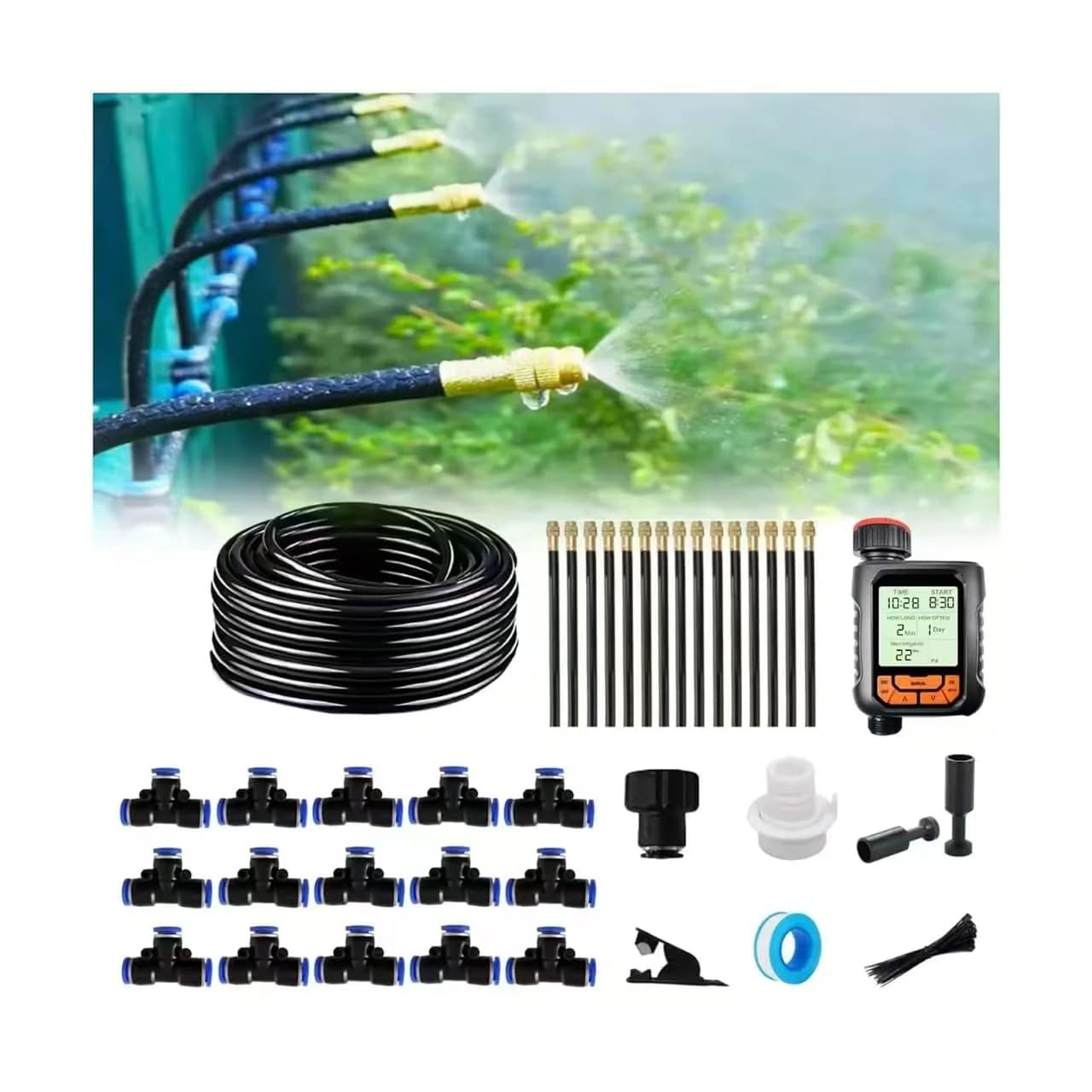
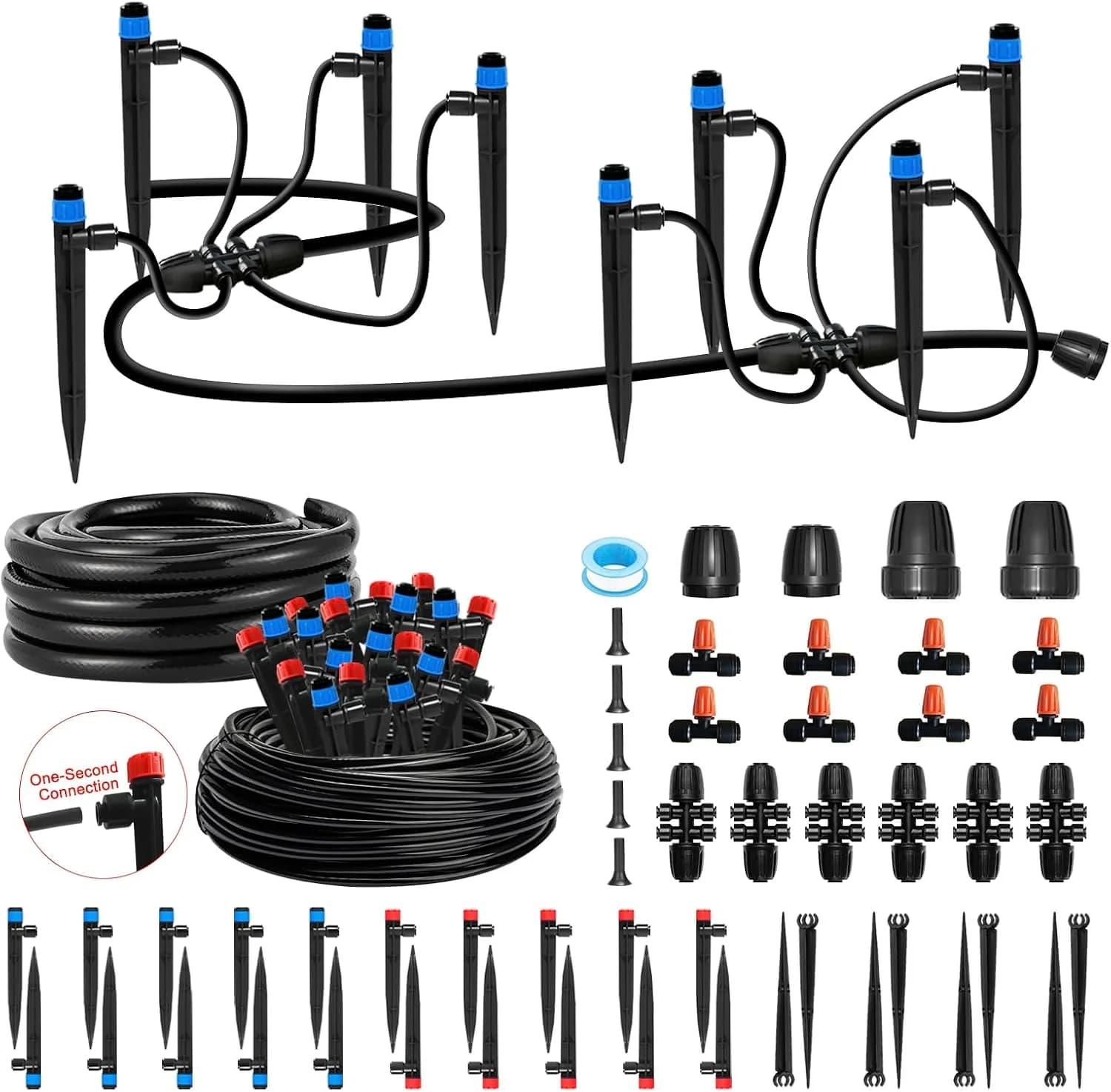
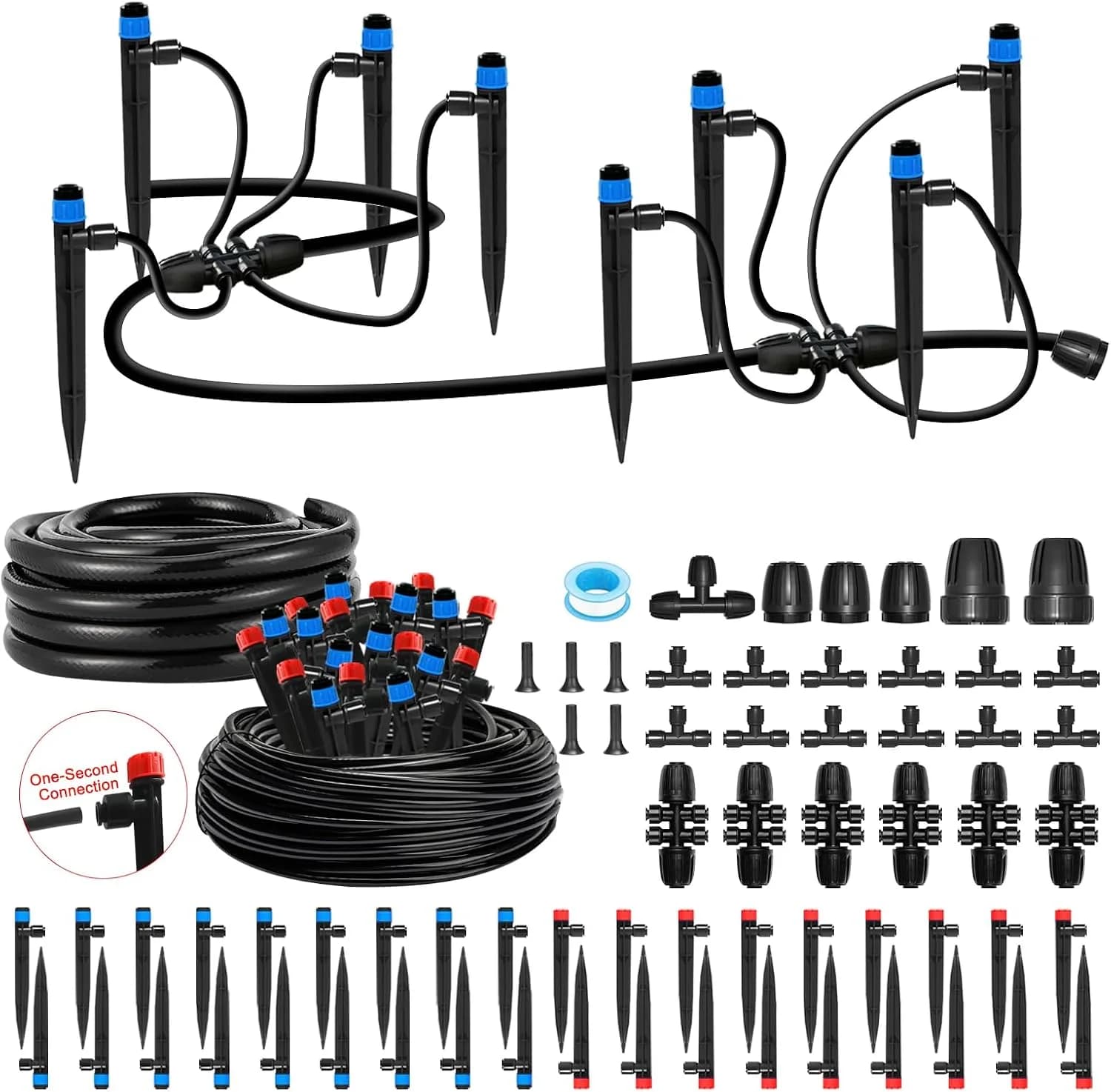
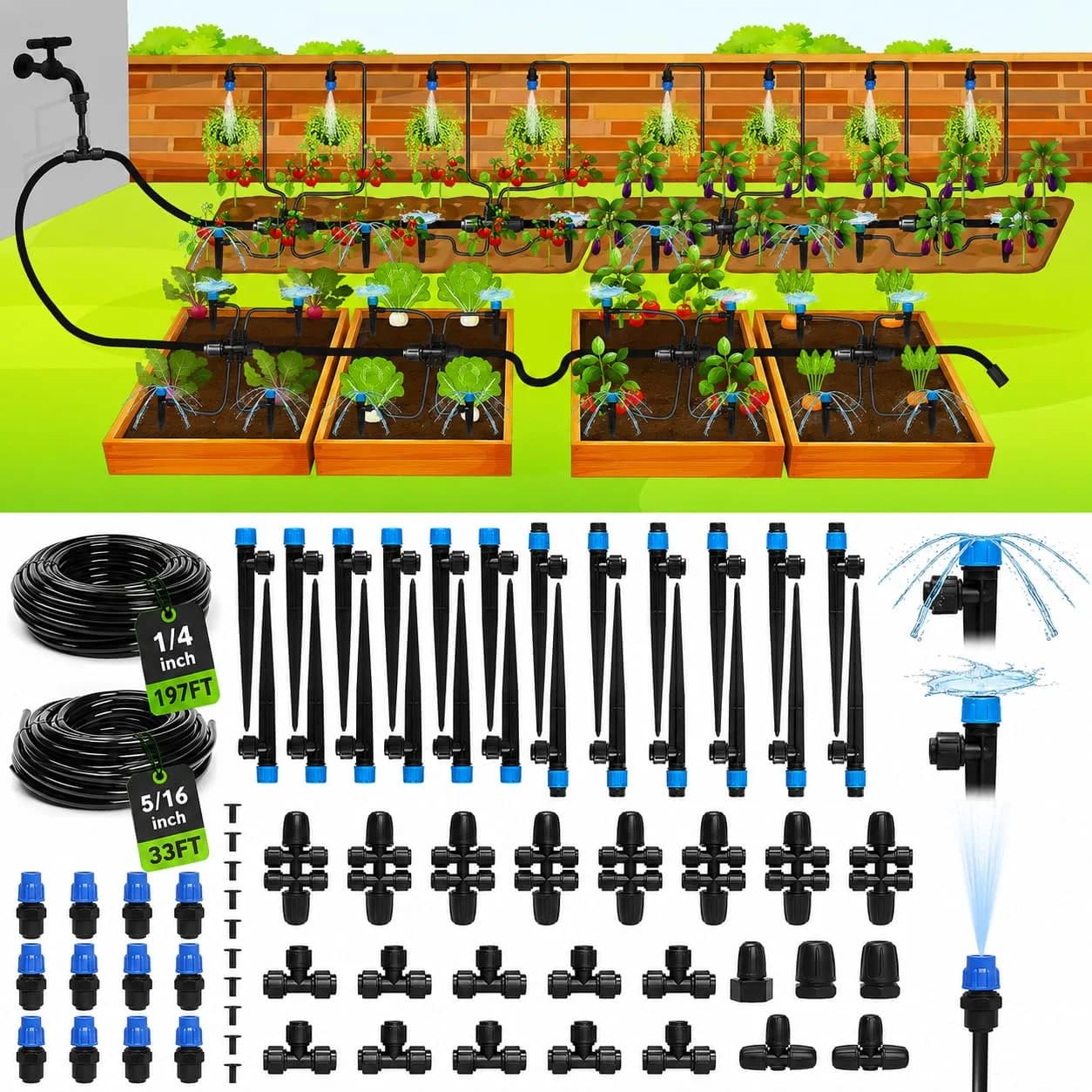
Misadjusted heads are especially costly in nurseries, orchard cooling zones, greenhouse perimeter sprinklers, and field blocks with narrow row geometry. If the site needs more localized application than a conventional sprinkler can deliver, compare micro sprinkler products and the greenhouse micro sprinkler solution.
How to adjust sprinkler heads in 5 steps
Step 1: Identify the sprinkler head type before adjusting it
Start by confirming whether the head is a spray nozzle, a rotor head, or an impact sprinkler. Spray heads usually use a top screw for flow and pattern trimming, rotor heads typically use an adjustment socket or key, and impact sprinklers adjust through arm tension and nozzle settings. The correct procedure depends on the mechanism inside the head.
Step 2: Run the zone and mark the actual coverage problem
Operate the irrigation zone long enough to see where the water lands. Mark dry areas, overspray onto service lanes, and places where two adjacent patterns fail to overlap correctly. Adjustment is faster when the problem is visible rather than guessed from memory.
Step 3: Adjust spray heads by setting flow and direction first
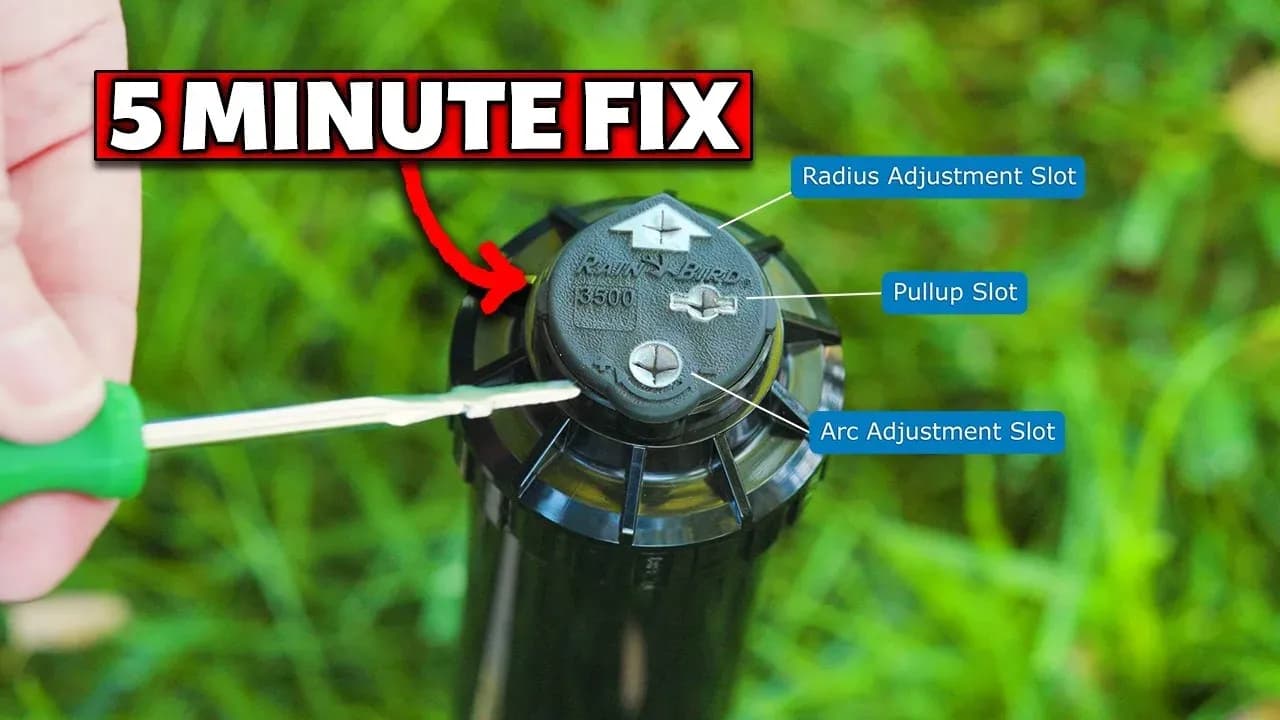
Most spray heads have a small top screw that reduces or increases the stream by changing how the water exits the nozzle. Turn clockwise to reduce radius and pressure at the nozzle face, or counterclockwise to open the stream. Then rotate the nozzle body or stem position to point the fan where the crop block needs water.
Step 4: Adjust rotor and impact heads by controlling arc and throw
Rotor heads usually allow arc adjustment through a dedicated socket or key. Increase arc if part of the block is dry, or decrease arc if the head is throwing water onto access roads or non-crop areas. On impact sprinklers, adjust the deflector, trip arm, or nozzle setting to change throw pattern and radius while keeping overlap consistent.
Step 5: Re-test the zone and fine-tune for overlap
After adjustment, run the zone again and check whether the sprinklers now overlap correctly from head to head. Sprinkler irrigation works best when the patterns overlap rather than merely touch, because that overlap smooths out the non-uniformity that every single head naturally has. If water still misses part of the block, review pressure, nozzle condition, and spacing instead of forcing one head to compensate for a larger system problem.
Spray heads, rotor heads, and impact sprinklers compared
| Sprinkler type | Pros | Cons | Best suited for |
|---|---|---|---|
| Spray head | Simple adjustment, fast localized coverage, good for short-radius zones | Less efficient in wind and more sensitive to pressure variation | Best suited for nursery blocks, greenhouse edges, and compact agricultural service areas |
| Rotor head | Longer throw, lower precipitation rate, better for larger zones | Needs careful arc and overlap adjustment | Best suited for larger agricultural plots, orchard edge coverage, and long rectangular blocks |
| Impact sprinkler | Durable, visible operation, reliable in many field conditions | Can be noisier and less precise for tight edge control | Best suited for broad agricultural irrigation where rugged field hardware is preferred |
Common sprinkler adjustment mistakes
- Trying to solve a pressure problem by over-adjusting one head.
- Reducing radius too far and creating dry gaps between heads.
- Ignoring clogged nozzles and assuming every coverage problem is an adjustment issue.
- Adjusting a head while the zone is off and guessing the final spray position.
- Leaving mismatched nozzles in the same irrigation block.
When sprinkler adjustment is not enough
If the sprinkler cannot achieve even coverage after reasonable adjustment, the real problem may be wrong nozzle size, unstable pressure, worn hardware, or poor spacing. According to irrigation design practice used across agricultural layouts, nozzle selection, pressure, and spacing must work together to achieve good distribution uniformity. In those cases, replace the nozzle, inspect zone valves, or re-evaluate the sprinkler type instead of over-correcting a single head.
For associated components, review sprinklers, sprinkler sets, and irrigation valves.
Bottom line
Adjusting sprinkler heads is a straightforward maintenance task when you separate the problem into head type, direction, arc, radius, and overlap. Expert advice: first, inspect pressure and nozzle condition before making large arc changes; second, always re-test the active zone after each adjustment so you are correcting real coverage instead of guessing. If the application needs more precise root-zone delivery, compare sprinkler irrigation with the advantages of drip irrigation and the drip irrigation product range.