
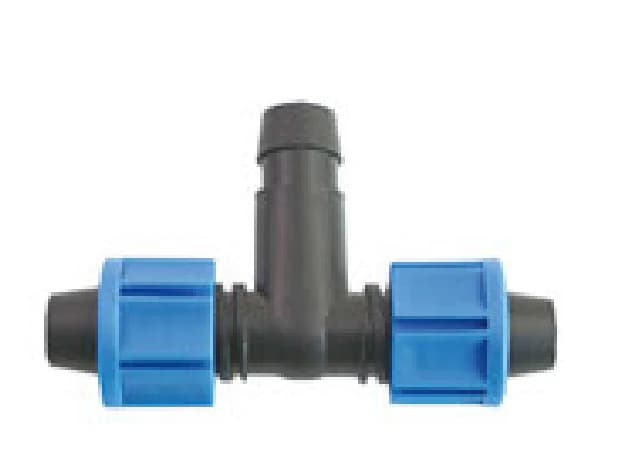
lock nut fitting
Lock Tee for Pipe
Lock Tee for Pipe with catalogue-backed technical fields clearly documented. Compare the exact record, variant and project requirements before a technical enquiry.
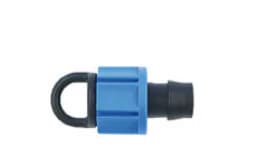
SKU: TP0117
End Cap with catalogue-backed technical fields clearly documented. Compare the exact record, variant and project requirements before a technical enquiry.
INQUIRY FOR:
End Cap
Use the model and item code below to confirm the exact configuration in your inquiry.
| Variant / Size | Model | Item code | Technical parameters |
|---|---|---|---|
| TP0117 | TP0117 | TP0117 |
|
| TP0120 | TP0120 | TP0120 |
|
End Cap is catalogued under Lock nut fitting for irrigation connection component duties. The description keeps recorded technical data separate from selection advice, allowing the exact item or variant to be checked first. Printed catalogue model references include TP0117, TP0120; use the technical matrix to keep each code with its own values.
The resolved source fields include TP0117 — Catalogue size, TP0120 — Catalogue size. Values and units below are transcribed from the reviewed catalogue record.
| Catalogue field | Recorded value |
|---|---|
| TP0117 — Catalogue size | 16 |
| TP0120 — Catalogue size | 20 |
The source distinguishes 2 technical variants, including TP0117, TP0120. The complete matrix remains the authority for row-level comparison. The table contains source-backed values only. Project limits and compatibility still need to be checked against the complete system.
Match connection form, nominal size, thread or tube interface and any recorded pressure value to both mating components. Dimensions and labels in one technical row belong together; appearance alone cannot confirm interchangeability.
If a required field is absent, place it in the enquiry as a question. Silence in the catalogue is not a positive or negative specification.
Prepare tube ends and mating surfaces according to the actual connection type. Keep parts aligned, use the correct insertion depth or thread practice, avoid unsupported tightening assumptions, and pressure-test the assembled section under the project procedure.
Keep the selected code with the installation record. It provides a traceable basis for troubleshooting and later replacement.
Inspect for movement, leakage, damaged threads, distorted sealing areas and pipe stress. Identify the exact size and variant before replacement, and do not reuse a damaged sealing element merely because the fitting still connects.
When a part is removed, compare its markings and dimensions with the recorded variant before accepting a replacement.
For a precise enquiry, state the product name End Cap, reference TP0117, required quantity, destination, selected technical row and the project values that must be confirmed. Include the recorded comparison point TP0117 — Catalogue size: 16.
Use the Lock nut fitting category to compare related product types and maintain a clear internal path from category research to this specification page. Attach drawings or connection photographs when they affect identification, and ask for a written response to every open compatibility point.
Lock Tee for Pipe with catalogue-backed technical fields clearly documented. Compare the exact record, variant and project requirements before a technical enquiry.
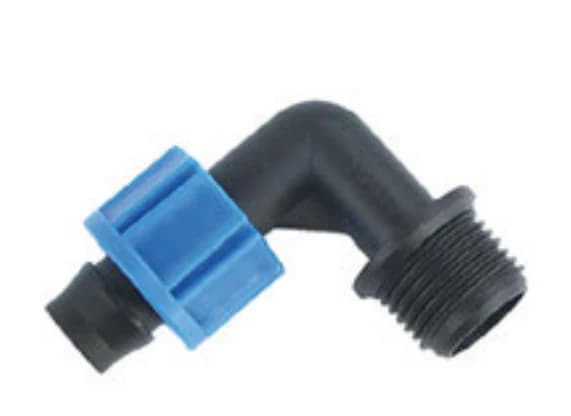
Lock Nut Male Elbow with catalogue-backed technical fields clearly documented. Compare the exact record, variant and project requirements before a technical enquiry.
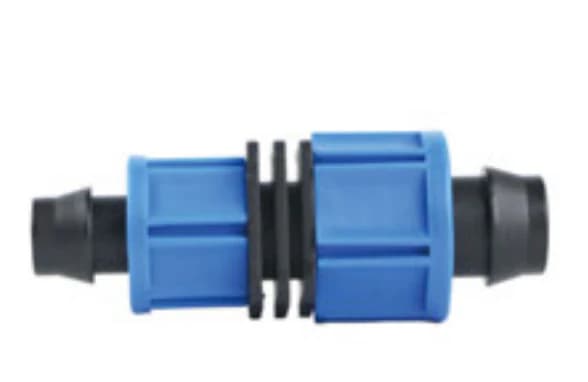
Reducing Coupling with catalogue-backed technical fields clearly documented. Compare the exact record, variant and project requirements before a technical enquiry.
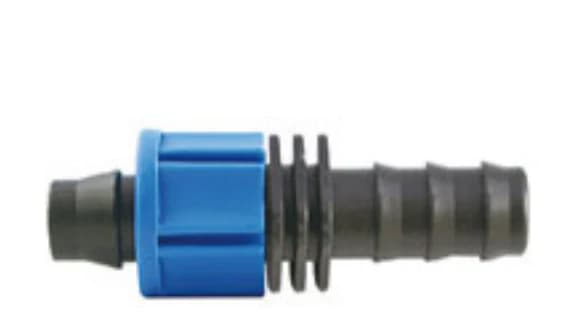
Lock Barb Coupling with catalogue-backed technical fields clearly documented. Compare the exact record, variant and project requirements before a technical enquiry.