
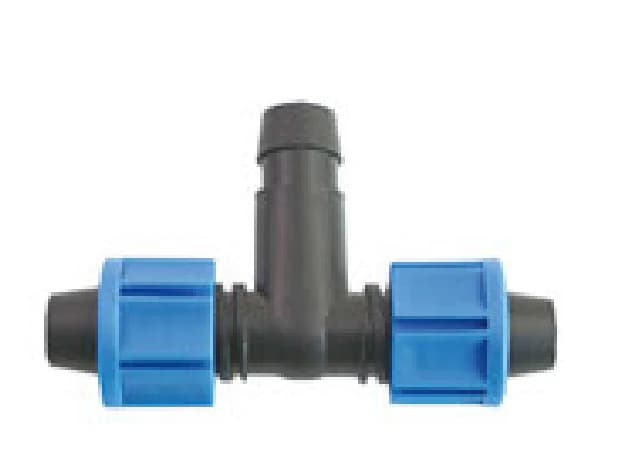
lock nut fitting
Lock Tee for Pipe
Lock Tee for Pipe with catalogue-backed technical fields clearly documented. Compare the exact record, variant and project requirements before a technical enquiry.
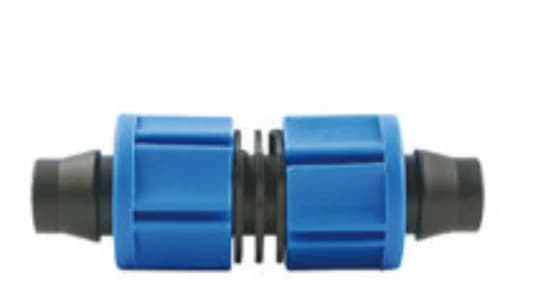
SKU: LC0117
Coupling with catalogue-backed technical fields clearly documented. Compare the exact record, variant and project requirements before a technical enquiry.
INQUIRY FOR:
Coupling
Use the model and item code below to confirm the exact configuration in your inquiry.
| Variant / Size | Model | Item code | Technical parameters |
|---|---|---|---|
| LC0117 | LC0117 | LC0117 |
|
| LC0120 | LC0120 | LC0120 |
|
Coupling belongs to the Lock nut fitting range; its recorded role is irrigation connection component. Catalogue values are shown explicitly, and characteristics absent from the source are not added. Printed catalogue model references include LC0117, LC0120; use the technical matrix to keep each code with its own values.
The resolved source fields include LC0117 — Catalogue size, LC0120 — Catalogue size. Values and units below are transcribed from the reviewed catalogue record.
| Catalogue field | Recorded value |
|---|---|
| LC0117 — Catalogue size | 16 |
| LC0120 — Catalogue size | 20 |
The source distinguishes 2 technical variants, including LC0117, LC0120. The complete matrix remains the authority for row-level comparison. Read the value and unit together. A blank characteristic is intentionally omitted rather than estimated from a photo or a similar listing.
Match connection form, nominal size, thread or tube interface and any recorded pressure value to both mating components. Dimensions and labels in one technical row belong together; appearance alone cannot confirm interchangeability.
Record the selected code in drawings and the enquiry. That small step keeps later substitutions visible and makes technical review more reliable.
Prepare tube ends and mating surfaces according to the actual connection type. Keep parts aligned, use the correct insertion depth or thread practice, avoid unsupported tightening assumptions, and pressure-test the assembled section under the project procedure.
Site conditions can change the installation method, so the project procedure and confirmed item documentation remain necessary.
Inspect for movement, leakage, damaged threads, distorted sealing areas and pipe stress. Identify the exact size and variant before replacement, and do not reuse a damaged sealing element merely because the fitting still connects.
Separate cleaning, adjustment and replacement decisions in the service record so the next inspection can evaluate what changed.
For a precise enquiry, state the product name Coupling, reference LC0117, required quantity, destination, selected technical row and the project values that must be confirmed. Include the recorded comparison point LC0117 — Catalogue size: 16.
Use the Lock nut fitting category to compare related product types and maintain a clear internal path from category research to this specification page. Before approval, compare the supplier response with this catalogue evidence and record any accepted deviation explicitly.
Lock Tee for Pipe with catalogue-backed technical fields clearly documented. Compare the exact record, variant and project requirements before a technical enquiry.
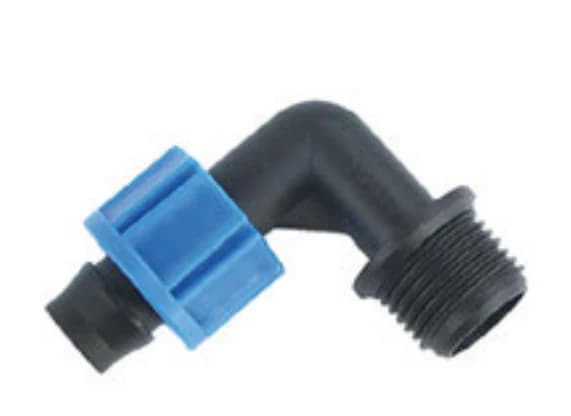
Lock Nut Male Elbow with catalogue-backed technical fields clearly documented. Compare the exact record, variant and project requirements before a technical enquiry.
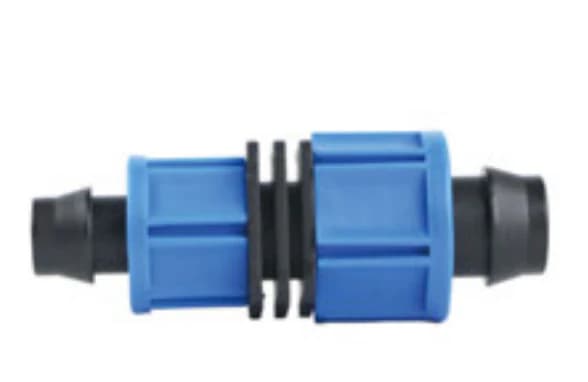
Reducing Coupling with catalogue-backed technical fields clearly documented. Compare the exact record, variant and project requirements before a technical enquiry.
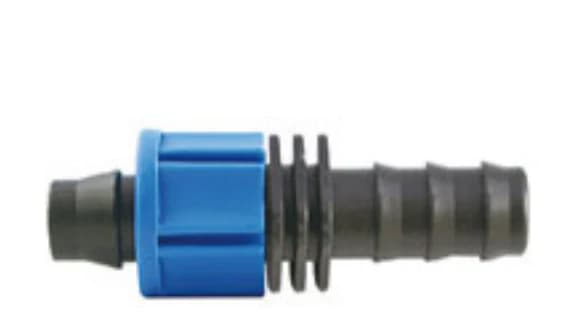
Lock Barb Coupling with catalogue-backed technical fields clearly documented. Compare the exact record, variant and project requirements before a technical enquiry.