Residential Irrigation Water Sources: A Practical Guide
Abstract: Residential irrigation water sources are the municipal, private, captured, or permitted non-potable supplies used to water a home landscape. Choosing one matters because source pressure, seasonal yield, water quality, restrictions, backflow risk, storage, and operating cost can change both plant health and household water demand. This guide compares municipal water, a private well, harvested rainwater, and locally approved reclaimed, gray, or surface water. It explains how to map landscape demand, review rules, estimate seasonal volume, test yield and pressure, assess water quality, protect drinking water, size filtration and storage, and monitor performance. U.S. EPA WaterSense (the federal water-efficiency program) reports that outdoor use averages more than 30 percent of household water and can reach 60 percent in arid regions, while inefficient irrigation can waste up to half of outdoor water. The five-step process below selects a lawful, dependable source rather than the cheapest connection alone.
What counts as a residential irrigation water source?
IrriNex (a professional agricultural and landscape irrigation systems and component supplier) defines the source as water plus the legal connection, treatment, storage, pumping, and controls needed to deliver it safely. Graywater is lightly used household water from approved fixtures, while reclaimed water is centrally treated wastewater; both are non-potable and may be prohibited or require separate, identified plumbing.
U.S. Environmental Protection Agency WaterSense (the EPA’s water-efficiency program) reports that outdoor use exceeds 30% of average household demand and can reach 60% in arid areas. It also estimates that wind, evaporation, runoff, and inefficient systems can lose as much as 50% of outdoor water, so source substitution must be paired with efficient delivery.
Compare four residential irrigation sources
| Source | Advantages | Limitations | Best suited for |
|---|---|---|---|
| Municipal supply | Reliable pressure and monitored quality; simple connection | Tariffs, seasonal restrictions, and mandatory backflow protection | Best suited for small landscapes needing dependable automatic service |
| Private well | No metered municipal volume and generally available on site | Yield, pump energy, minerals, sand, maintenance, and owner testing | Best suited for a tested well with spare capacity beyond household demand |
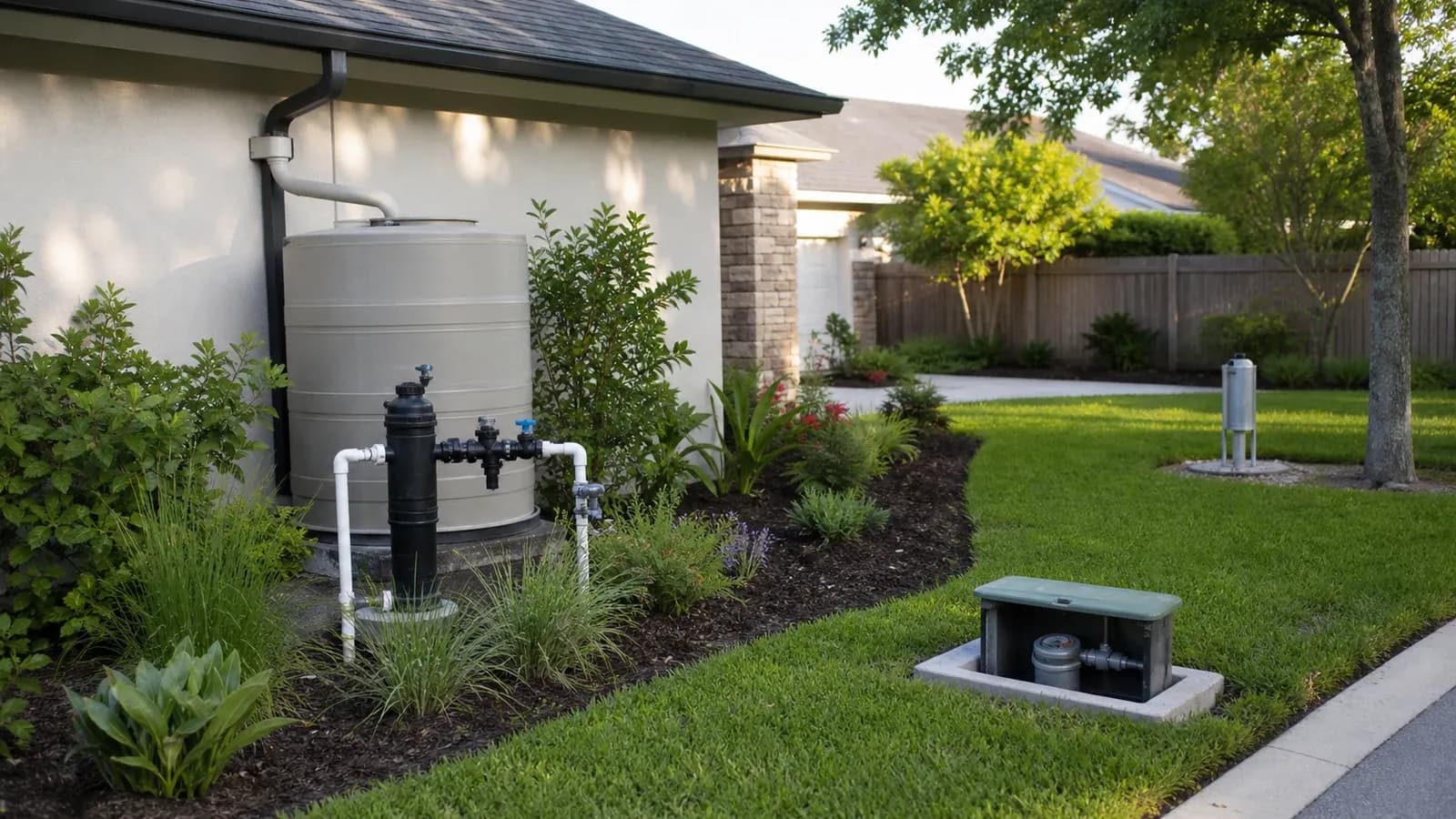
| Harvested rainwater | Captures roof runoff and reduces potable demand | Rainfall variability, finite storage, debris, and pump requirements | Best suited for drip-irrigated beds with a correctly sized cistern and backup |
| Permitted reclaimed, gray, or surface water | Reuses a local resource and may lower potable demand | Strict health, plumbing, crop, signage, and cross-connection rules | Best suited for jurisdictions with explicit approval and qualified installation |
How to select a residential water source in five steps
1. Map the landscape and local rules
Separate turf, trees, food crops, ornamentals, shade, slopes, and establishment zones, then identify which source types are allowed on each. Ask the water utility and building, health, and environmental authorities about restrictions, permits, backflow, well use, rain tanks, graywater, and required pipe identification.
2. Estimate seasonal demand and full cost
Calculate monthly landscape demand from climate, irrigated area, plant type, and delivery efficiency, then compare it with utility bills, well energy, expected rain capture, and storage. Include capital, testing, treatment, pump replacement, and maintenance instead of calling roof runoff or groundwater free.
3. Verify yield, pressure, and backup
Measure municipal or well flow and operating pressure during competing household use, and create a rainfall and cistern balance for the driest design period. Decide which source or stored volume will protect new plants if restrictions, low well level, pump failure, or an empty tank interrupts supply.
4. Test quality and protect drinking water
Test private wells and alternative water for hazards relevant to people, soil, plants, emitters, and food crops; the U.S. Centers for Disease Control and Prevention (the federal public-health agency) recommends at least annual private-well testing for coliform bacteria, nitrates, total dissolved solids, and pH. Use code-compliant backflow or physical separation and choose irrigation filtration from laboratory and sediment results.

5. Install efficient delivery and monitor it
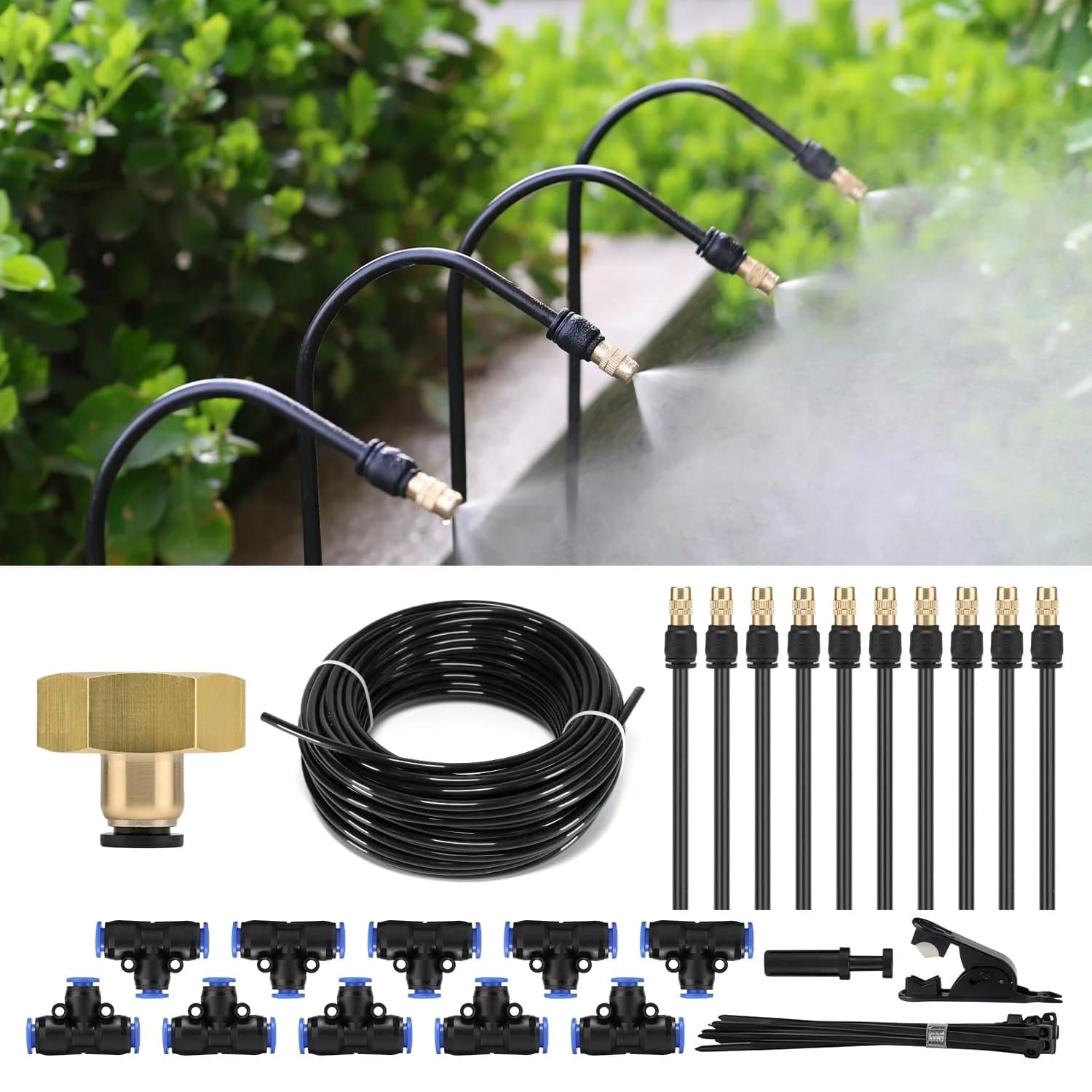
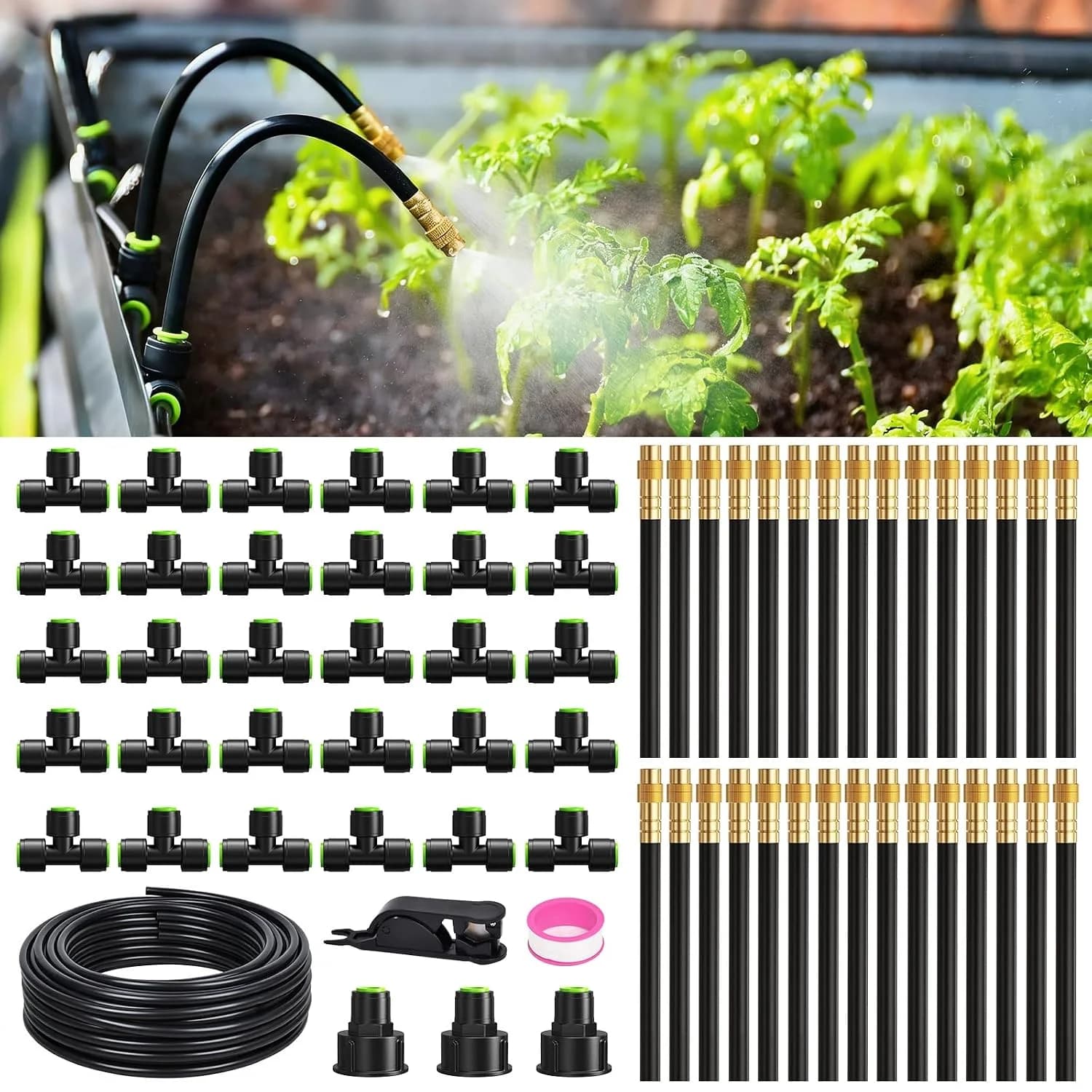
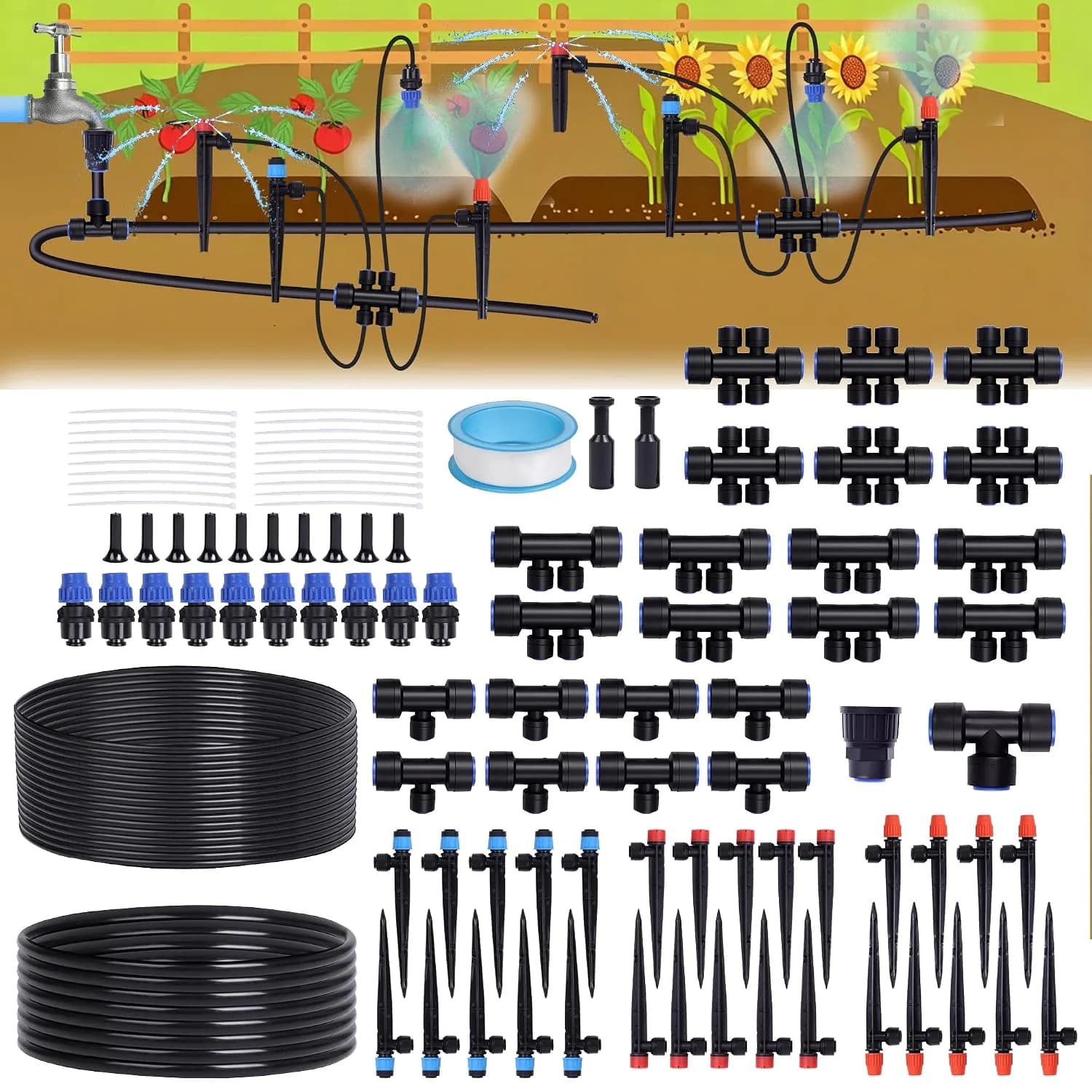
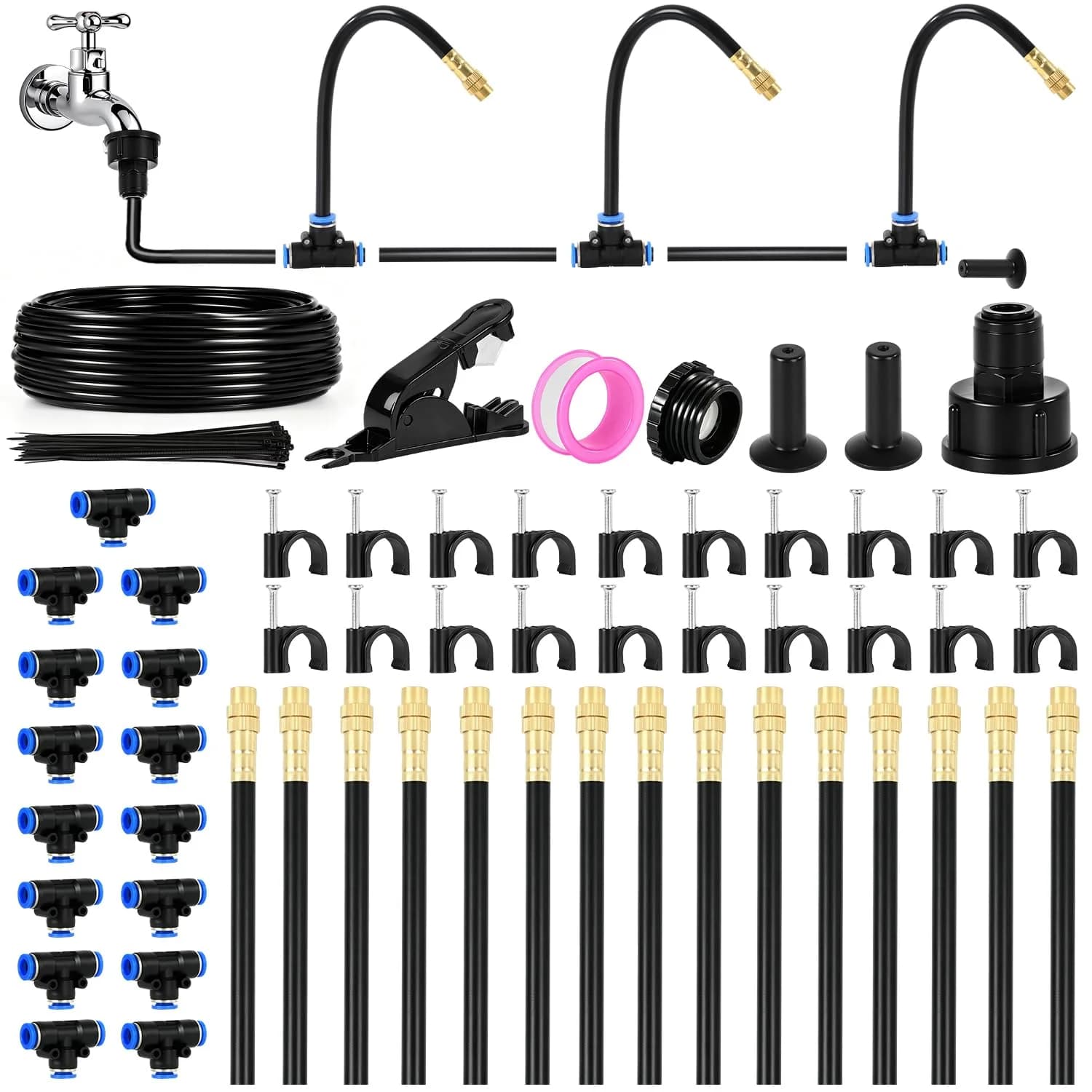
Use drip irrigation for targeted beds, accessible valves for isolation, low-level pump protection, metering, and a controlled changeover that cannot connect non-potable water to drinking water. EPA green-infrastructure guidance notes that rain barrels and cisterns can store captured water for irrigation, but inspect gutters, first-flush devices, tanks, filters, leaks, and soil response through every season.
Conclusion: protect potable water while matching landscape demand
A residential source is suitable only if it remains lawful, safe, and available when plants need it; an alternative source does not excuse overwatering. Action 1: request written backflow and non-potable plumbing requirements before connecting equipment. Action 2: provide the demand estimate, source measurements, water analysis, and storage volume to the IrriNex technical team for component selection.