Landscape Drip Irrigation Kit Buying Guide
A landscape drip irrigation kit is a bundled set of tubing, fittings, filtration, pressure-control parts, and emitters designed to apply water slowly at plant root zones. Choosing the right kit matters because a landscape rarely has one uniform demand: isolated shrubs, dense borders, containers, and sloped beds may each require a different outlet and flow. A sound purchase begins with measured run lengths, available pressure and flow, soil texture, plant spacing, and the number of branches and endpoints—not with kit size alone. This guide gives homeowners, installers, and project buyers a repeatable way to map those facts, compare fixed, expandable, and custom configurations, and avoid missing fittings. It also explains how hydrozones and emitter selection affect performance, where filtration belongs, and when IrriNex (a supplier of irrigation equipment and project support) can simplify specification, expansion, and long-term maintenance.
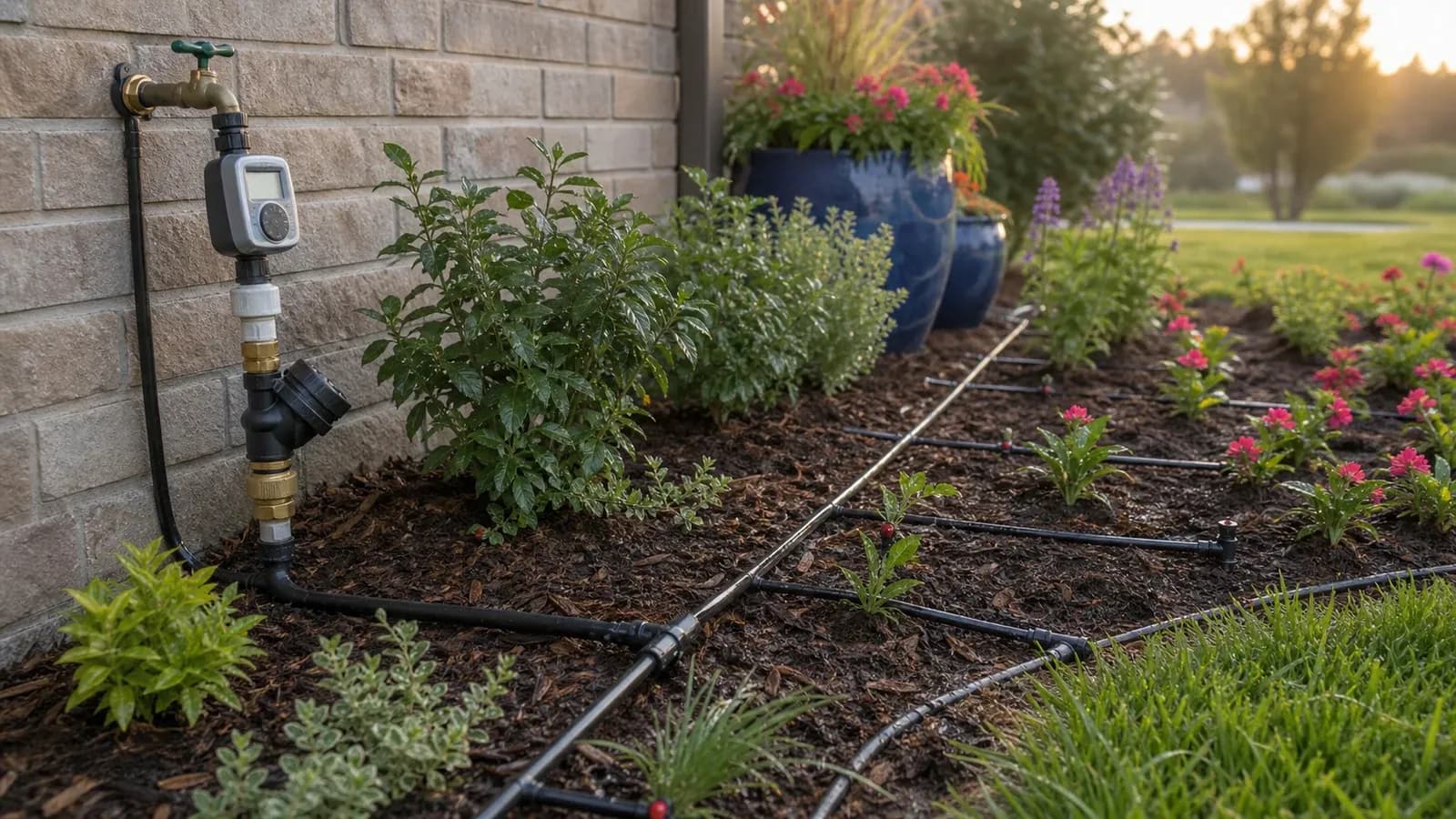
What makes a landscape drip irrigation kit efficient?
A hydrozone is a group of plants with similar water needs, while an emitter is the outlet that meters water from the tubing. According to the U.S. Environmental Protection Agency WaterSense program (the federal water-efficiency program), microirrigation uses 20–50% less water than conventional sprinklers because it applies low flows near roots.
Six steps for selecting a landscape drip irrigation kit
- 1. Divide the site into hydrozones. Mark isolated shrubs, dense planting, containers, slopes, and paved areas on a measured plan. Keep plants with materially different demand on separate controllable zones.
- 2. Verify source capacity. Time a bucket fill to calculate flow and measure static pressure with a gauge. Record water quality because sediment or organic matter determines the filtration level.
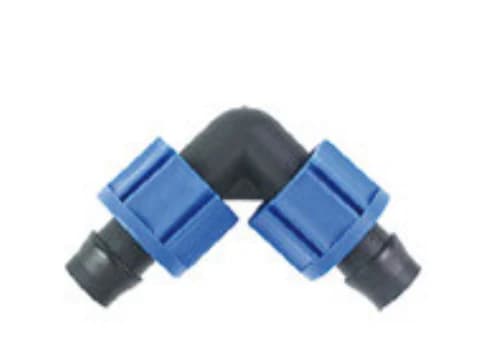
- 3. Draw the mainline and count fittings. Trace every straight run, branch, 90-degree turn, and endpoint before totaling tubing. Count one tee, elbow, or end closure at each corresponding location and add a modest service allowance.
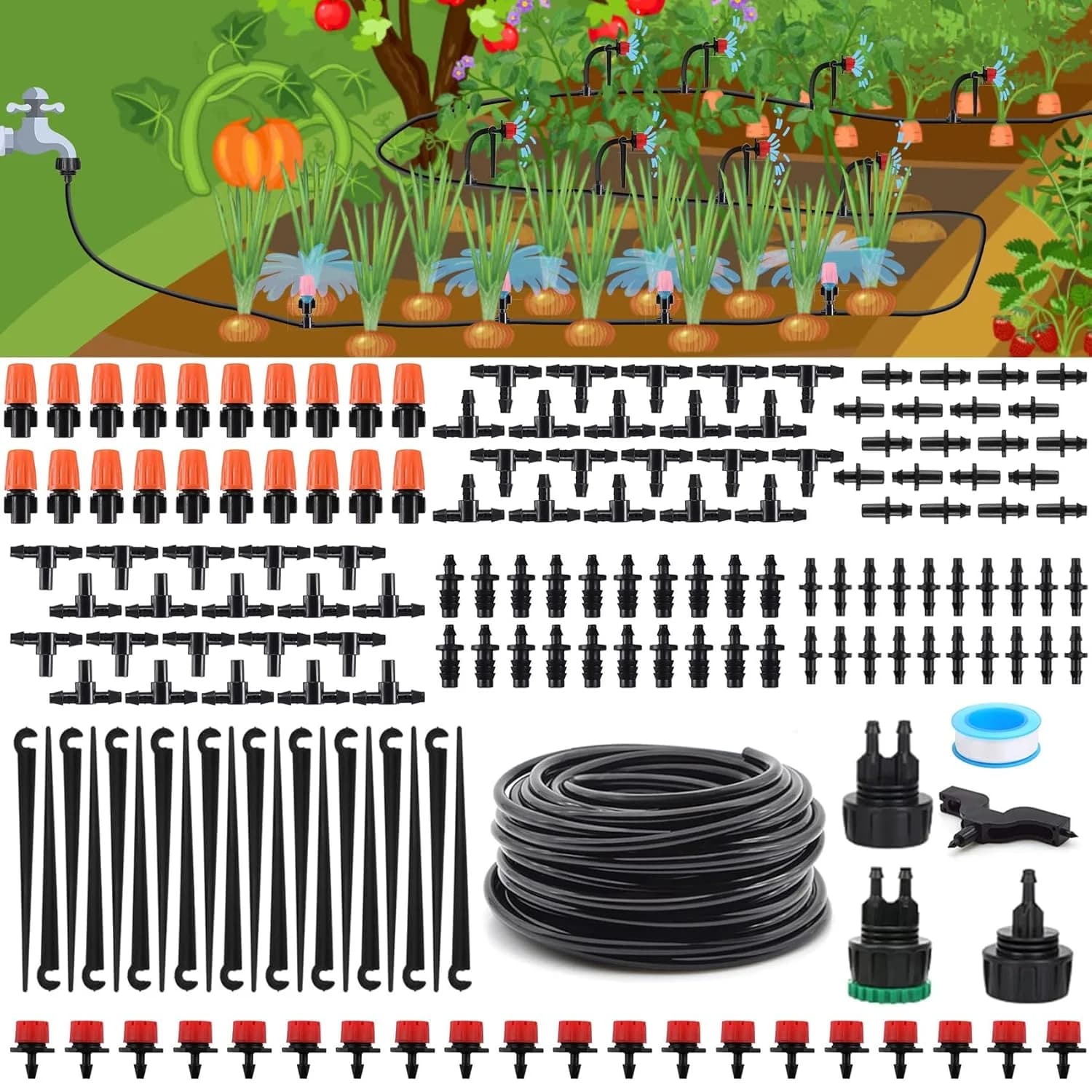
- 4. Match outlets to root areas. Use point drippers for separated plants, emitter line for regular rows, and micro-sprayers for dense beds where individual outlets would be impractical. Select flow and spacing according to soil infiltration rather than plant count alone.
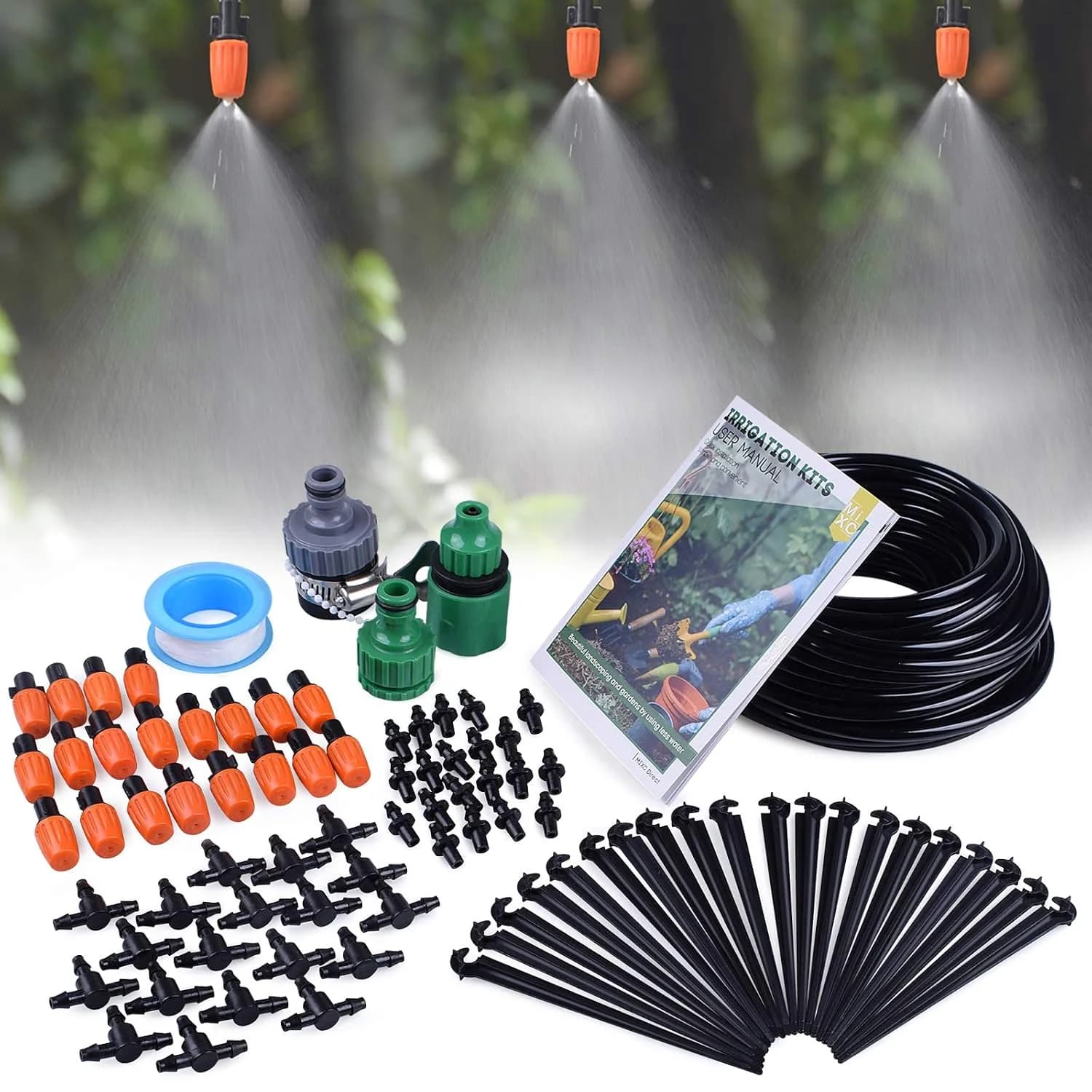
- 5. Compare the bill of materials with the kit. Choose the smallest kit that covers source connection, filter, pressure regulator, tubing, fittings, stakes, and outlets. Check component compatibility and expansion capacity instead of assuming a large component count equals a better fit.
- 6. Test before permanent placement. Assemble the head unit, lay tubing on the surface, flush open ends, and observe each wetting pattern. Correct leaks or dry pockets before staking and programming the timer.

Landscape drip kit options compared
| Solution | Advantages | Limits | Best for |
|---|---|---|---|
| Fixed starter kit | Fast specification and predictable component set | May leave surplus parts or miss unusual branches | Best for small, simple, single-zone gardens |
| Expandable modular kit | Easy to add tubing and outlets over time | Requires checking flow capacity at each expansion | Best for homeowners who will extend planting |
| Custom bill of materials | Closest fit to mixed zones and complex geometry | Needs more design and compatibility review | Best for installers and irregular landscapes |
The Food and Agriculture Organization of the United Nations reports an indicative field application efficiency of 90% for drip versus 75% for sprinklers; actual results still depend on correct design and management. Review IrriNex drip irrigation categories only after completing the measured plan.
Conclusion: buy from the plan, not the parts count
The best landscape drip irrigation kit is the compatible configuration that covers every mapped hydrozone without exceeding source capacity. A measured design also makes later troubleshooting and expansion faster.
- Prepare a one-page drawing and fitting count before requesting a quotation.
- For slopes, mixed water quality, or multiple zones, send the plan through IrriNex project support for a technical check.