How to Remove a Hose from a Barbed Fitting?
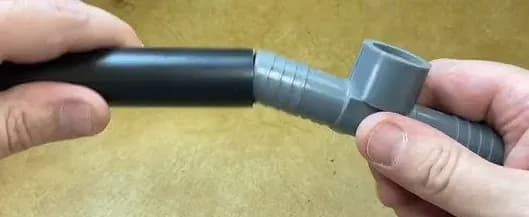
Removing a hose from a barbed fitting is easier when you decide one thing first: are you saving the hose or not? If the hose is being discarded, the safest approach is usually to remove the clamp and cut the hose off the barb. If the hose needs to stay in service, the better move is to soften it, twist it loose, and work it off gradually.
That distinction matters because a barbed fitting holds by friction and mechanical grip. Pulling hard without a plan often damages the hose, the barb, or both.
Decide what you are protecting
If the hose is old, brittle, split, or due for replacement anyway, do not waste effort trying to save it. Cutting it off is usually faster and safer. If the hose is still serviceable, you need a slower method that protects the tube wall and the fitting at the same time.
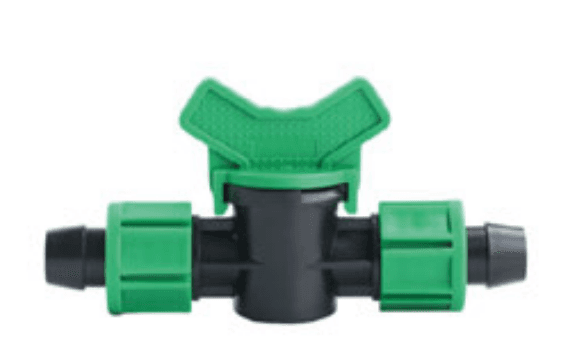
In irrigation systems, this kind of maintenance is common around barbed fittings for irrigation tubing and other small flexible distribution lines.
Before you start
- Shut off pressure and drain the line if possible.
- Remove the hose clamp completely before pulling on the tube.
- Clean dirt away from the joint so you can see what you are doing.
- Check whether the tubing is already cracked, flattened, or hardened.
Method 1: when the hose will be replaced
If the hose is scrap, cutting it off is usually the cleanest method. After removing the clamp, use a sharp knife to slit the hose wall lengthwise where it covers the barb. Cut only deep enough to open the hose, then peel it away.
The goal here is to protect the fitting, not the hose. This is especially practical when older tubing has hardened onto the barb over time.
How to avoid damaging the barb
Cut parallel to the hose, not across the barb. Stop as soon as the hose wall opens. If you are working around low-pressure polyethylene connections such as PE lateral pipe fittings, a shallow controlled cut is usually enough.
Method 2: when the hose must be reused
If the hose has to stay in service, soften it before trying to remove it. Hot water is the gentlest method. A heat gun can also work, but stay on a low setting and keep it moving so you do not scorch or deform the tube.
Once the hose softens, twist it gently to break the grip between the hose wall and the barb. Then pull with steady pressure rather than jerking it free.
Ways to loosen the grip safely
- Soak the hose end in very hot water.
- Use a heat gun on low and keep it moving.
- Twist first, then pull.
- Lift the edge with a thin tool only if you can avoid scoring the barb.
Mistakes that cause unnecessary damage
- Pulling before the clamp is fully removed
- Using too much heat and deforming the tubing
- Cutting deeply enough to nick the barb
- Trying to save tubing that is already brittle or split
When to replace both hose and fitting
If the barb is cracked, scratched badly, or visibly worn, reusing it may give you a poor seal even with a fresh clamp. In that case, replacing both parts is usually smarter than chasing leaks later. If you need new components, review the IrriNex tubing and fitting range or browse barbed fitting options.
Bottom line
If the hose is being replaced, cut it off. If the hose needs to stay, soften it first, twist to release the grip, and remove it patiently. The right method depends less on force than on which part you are trying to save.
If you are dealing with repeated leaks around a barb connection, contact IrriNex for help checking the tubing and fitting combination.