how to irrigate a greenhouse
Greenhouse irrigation works best when it starts from the crop, not from the equipment catalogue. Most greenhouses do not need one watering method everywhere. They need a base system that matches root-zone demand, then targeted overhead or humidity support only where the crop or climate strategy justifies it.
In many cases, that means drip irrigation should be the starting point. It keeps water close to the roots, reduces leaf wetness, and gives the grower more precise control over timing and volume. Micro sprinklers or misting are useful tools too, but only when they solve a specific problem.
What greenhouse irrigation has to do well
A greenhouse system should do more than make the substrate wet. It needs to keep moisture reasonably stable, avoid sharp humidity swings, reduce plant stress, and support uniform growth across the house. In protected cultivation, overwatering and poor air movement can be just as damaging as underwatering.
Why drip is often the right base system
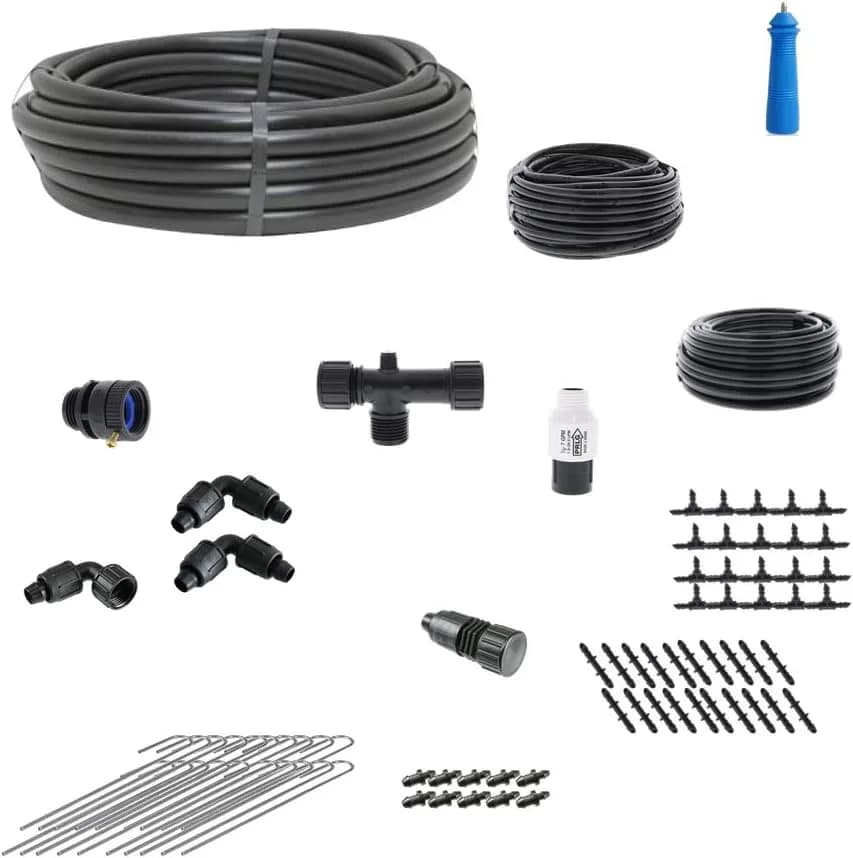
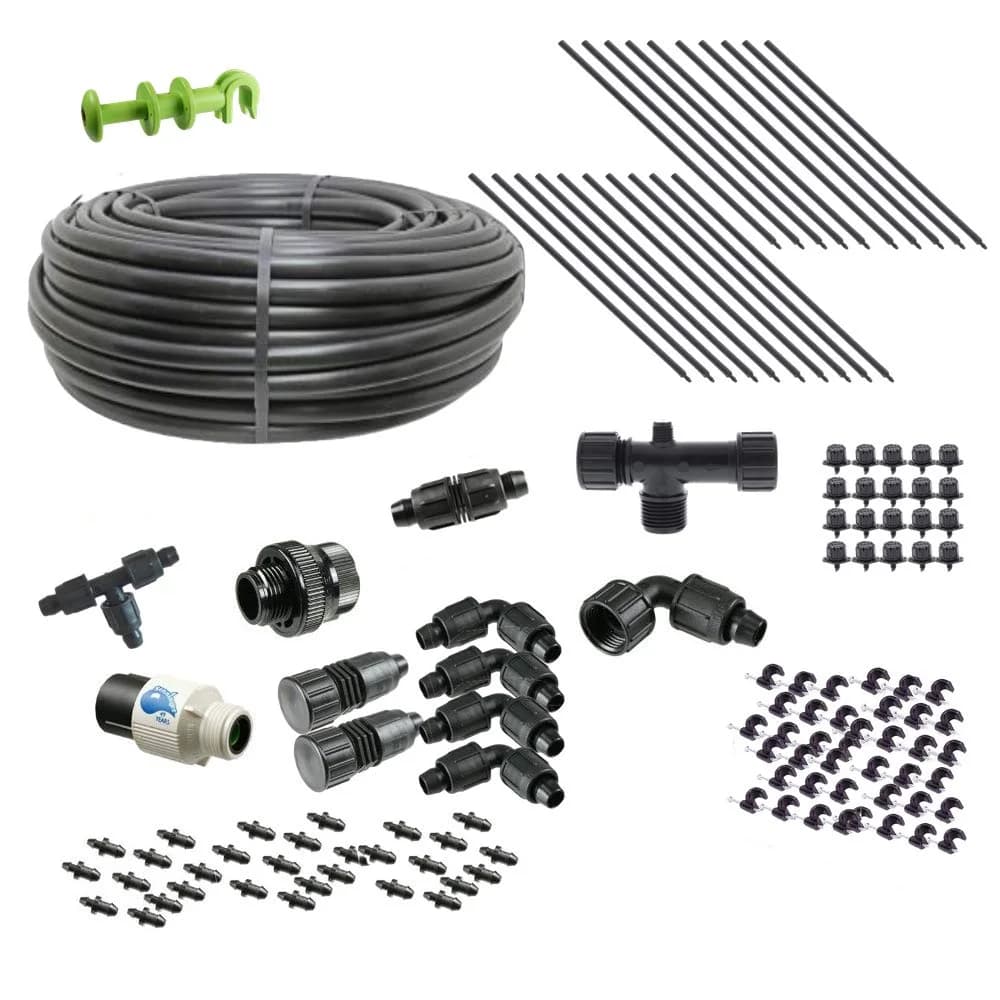
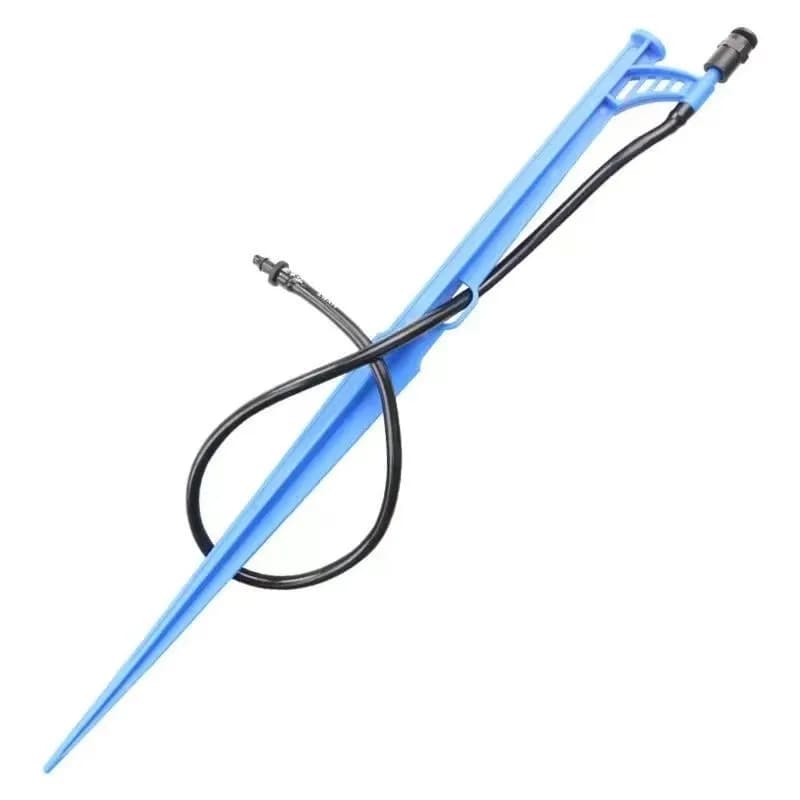
For vegetables, substrate bags, containers, and bench production, drip irrigation is often the most practical foundation. It delivers water close to the root zone with little evaporation and avoids wetting foliage more than necessary.
If you are planning a root-zone layout, see IrriNex greenhouse drip irrigation systems for a practical reference.
When micro sprinklers or misting make sense
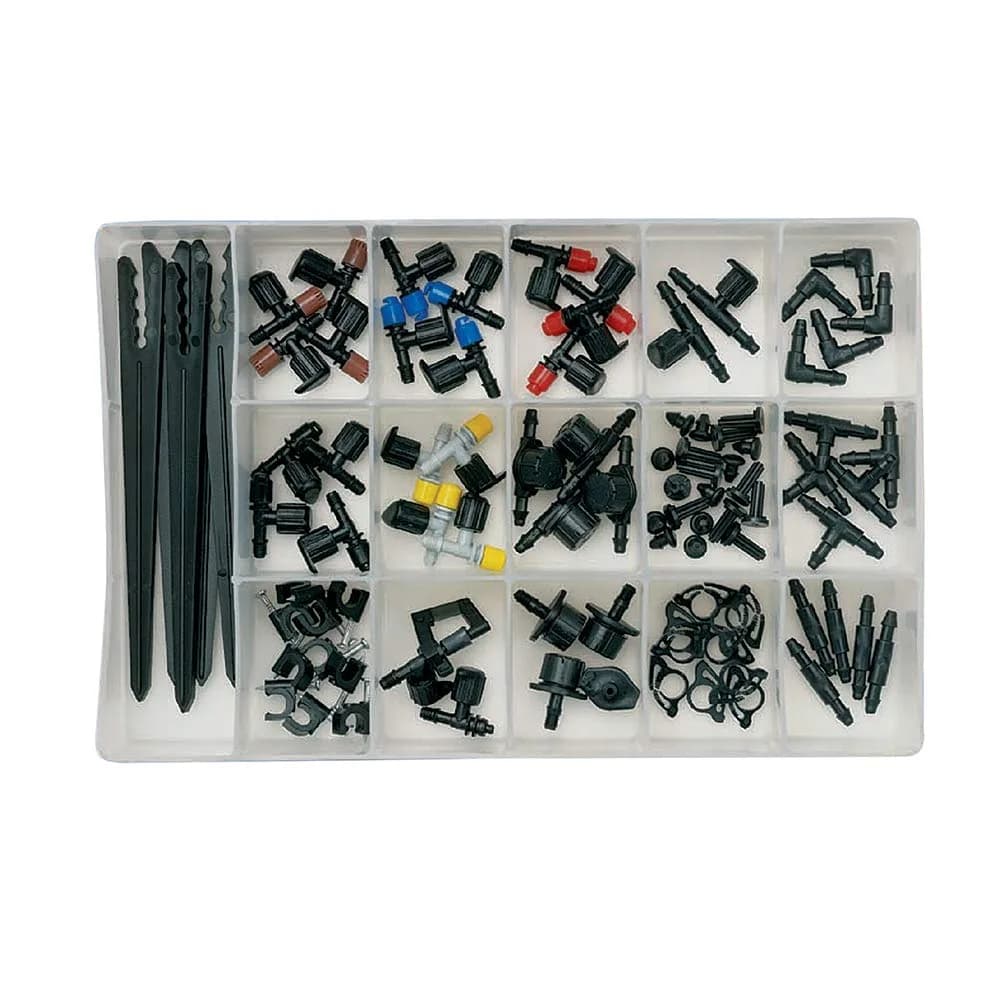
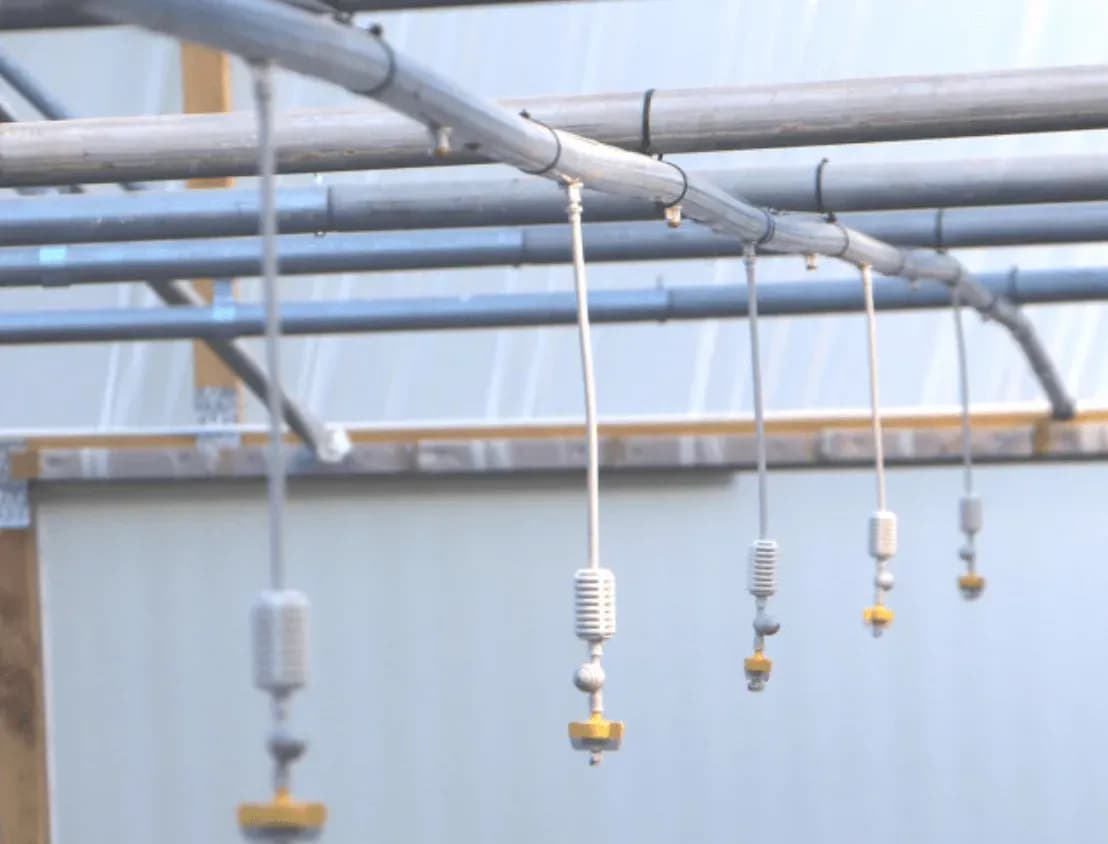
Micro sprinklers work well when you need a wider wetting pattern, light canopy cooling, or crop-specific overhead coverage. Misting or fogging makes more sense for propagation areas, humidity-sensitive crops, or greenhouses where evaporative cooling is part of the climate strategy.
For targeted overhead watering in protected cultivation, review greenhouse micro sprinkler solutions.
How to choose the right method
- Use drip when root-zone precision and dry foliage matter most.
- Use micro sprinklers when the crop benefits from a broader wetting pattern or light cooling.
- Use mist only where propagation or humidity control clearly requires it.
- Separate crops with different water demand into different zones.
- Adjust runtime to substrate, root volume, radiation, and daily greenhouse climate.
Automation matters more in a greenhouse
Greenhouse irrigation benefits from automation because plant demand can shift quickly with radiation, temperature, airflow, and crop stage. Timers are a starting point, but better control usually comes from sensors, zone-based scheduling, and well-managed fertigation.
If nutrients are delivered through the irrigation line, a dedicated fertigation system design gives far more consistent results than manual mixing and guesswork.
Do not treat filtration as optional
Emitters, drippers, micro sprinklers, and valves all behave better when water quality is stable. Sediment, algae, and organic matter create clogging risk that can quietly ruin a precise design. In greenhouse work, filtration is part of the core infrastructure, not an add-on. Before finalizing a layout, review IrriNex irrigation filter products.
Common greenhouse irrigation mistakes
- Running the same schedule across different crops or growth stages
- Choosing overhead irrigation where foliage should stay drier
- Ignoring drainage and root-zone oxygen balance
- Installing precise emitters without reliable filtration
- Automating runtime without checking real substrate moisture
Bottom line
To irrigate a greenhouse well, start from what the crop actually needs. In many houses, drip should be the foundation because it offers the best root-zone control. Add micro sprinklers or mist only when they solve a real crop or climate problem, and support the whole system with sound zoning, filtration, and automation.
If you are comparing equipment for a protected-cultivation project, explore IrriNex greenhouse drip solutions, greenhouse micro sprinkler systems, or contact IrriNex for greenhouse irrigation support.