How to Choose the Best Sprinkler System for Your Lawn and Garden
The best sprinkler system for a lawn and garden is a zoned watering design that distributes pressurized water evenly over turf or dense planting while using root-zone delivery where broad spray would be wasteful. It matters because area shape, wind, slope, plant type, soil intake, source flow and pressure, nozzle precipitation, automation, and maintenance all determine whether water reaches roots or pavement. A movable hose-end sprinkler offers low commitment for small areas; an in-ground system gives repeatable coverage and automatic zoning; drip or microirrigation better serves beds, shrubs, and containers. This guide uses five progressive checks to size the source, select the delivery type, verify overlap, choose controls, and plan upkeep. It also compares the main solutions by user scenario so the purchase follows measured needs rather than features alone. IrriNex (a supplier of irrigation equipment and project support) can then help specify compatible sprinklers, valves, filtration, and controls.
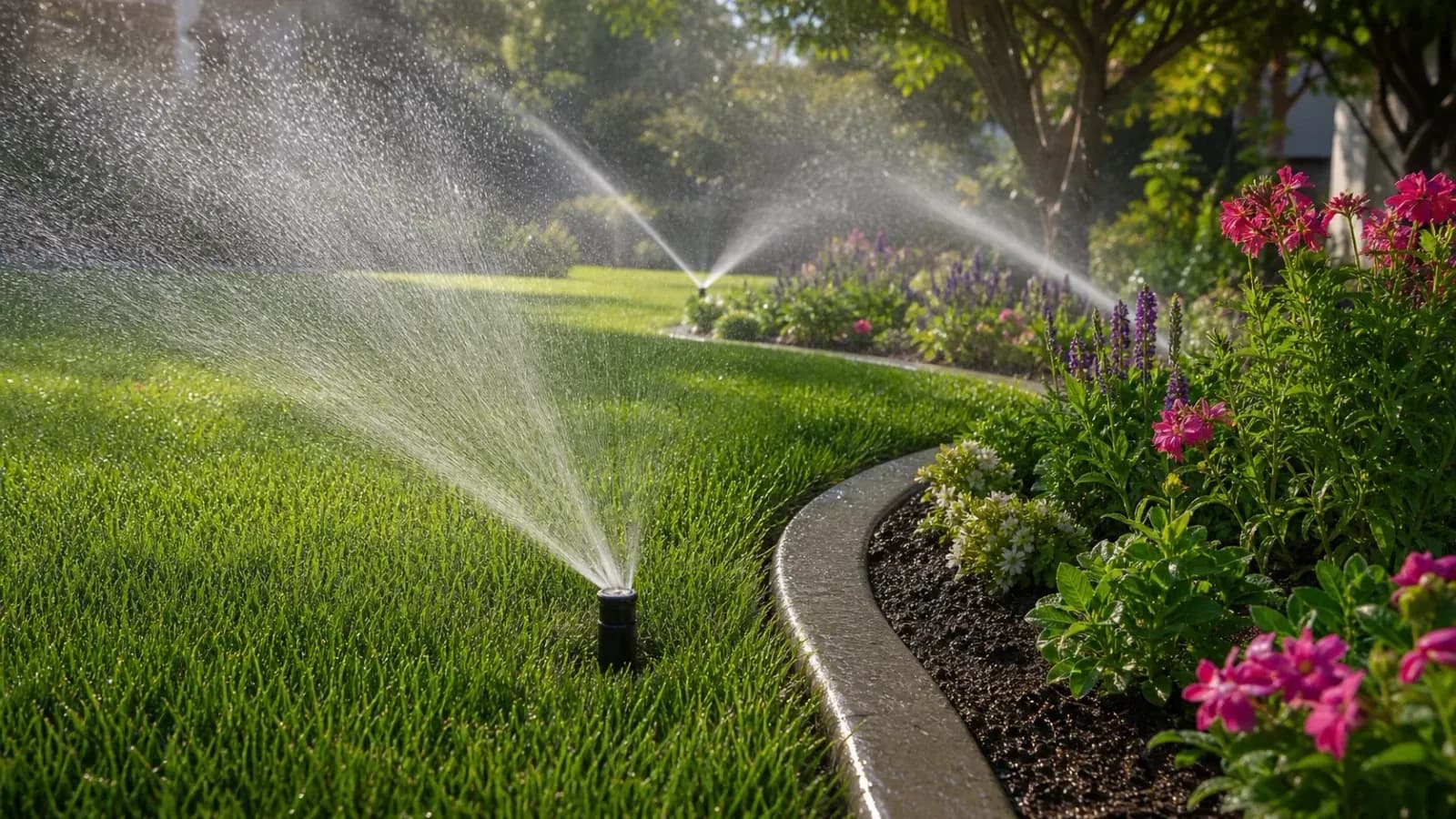
What defines a good lawn and garden sprinkler system?
Precipitation rate is the depth of water a sprinkler applies over time, commonly expressed in millimetres or inches per hour. A good design matches that rate to soil intake, uses head-to-head overlap without spraying hardscape, and separates turf from beds that need root-zone watering.
Five steps to select the best sprinkler system
- 1. Measure and zone the property. Draw turf, narrow strips, curved edges, beds, trees, paths, slopes, and windy exposures to scale. Separate areas whose plant demand or delivery method requires a different schedule.
- 2. Test source flow and pressure. Measure dependable flow at the proposed operating time and dynamic pressure while water is moving. Keep each zone below both limits and include elevation loss in sloped gardens.
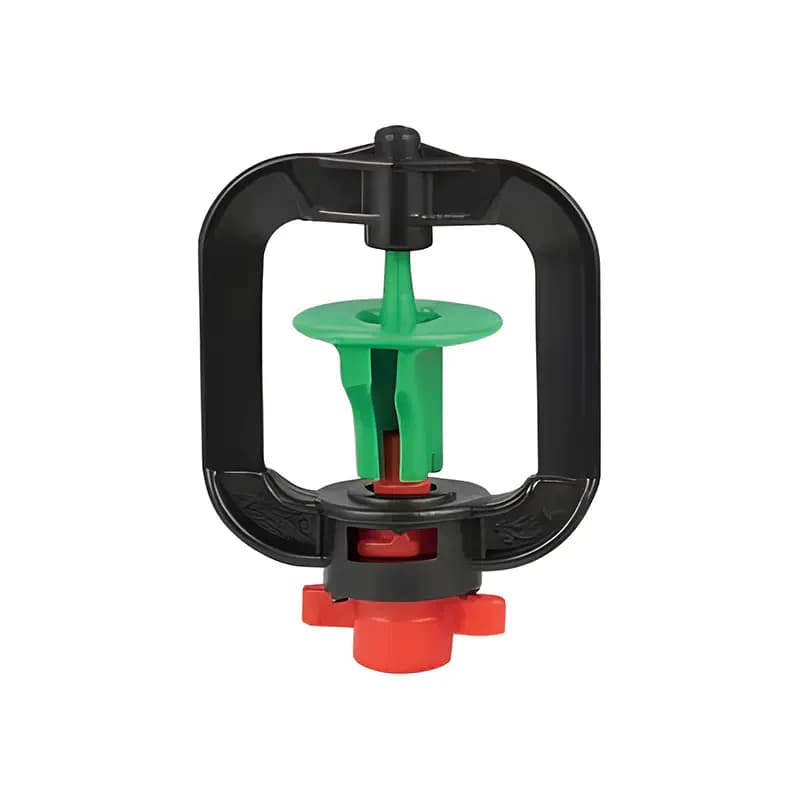
- 3. Select the correct delivery type. Choose spray nozzles for small regular areas, rotating or impact devices for larger turf, and root-zone outlets for beds and containers. Do not mix devices with very different precipitation rates on one schedule.
- 4. Verify coverage and control. Place sprinklers for designed overlap, then use catch cups to identify dry gaps and excessive application. Add rain, weather, or soil-moisture control where it can interrupt unnecessary cycles.
- 5. Budget for inspection and seasonal adjustment. Plan access to valves, filters, nozzles, drains, and controller settings. Inspect direction, leaks, blockage, pressure, and plant obstruction at least at seasonal startup and after landscape changes.

Watering solutions compared
| Solution | Advantages | Limits | Best for |
|---|---|---|---|
| Hose-end sprinkler | Low entry cost and movable coverage | Manual positioning and variable overlap | Best for renters and small occasional areas |
| Zoned in-ground system | Repeatable coverage and strong automation | Higher design, trenching, and service cost | Best for established lawns and larger properties |
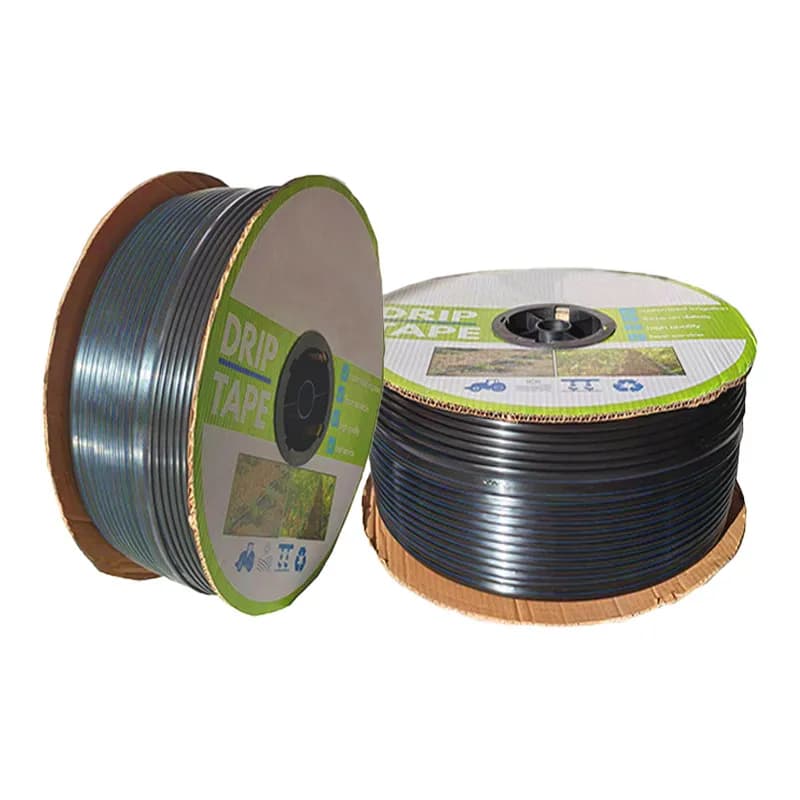
| Drip or microirrigation | Targets roots and avoids most paved areas | Not suitable as the sole method for broad turf | Best for beds, shrubs, trees, and containers |
According to U.S. EPA WaterSense (the federal water-efficiency program), replacing a clock timer with a labeled controller can save an average home up to 15,000 gallons annually. The program also reports that microirrigation uses 20–50% less water than conventional sprinklers, supporting its use outside broad turf. Compare IrriNex sprinkler sets only after confirming operating flow and the intended spacing.
Conclusion: verify coverage before automating it
The best lawn and garden sprinkler system applies a matched rate to each measured zone and reserves root-zone delivery for places where spray is inefficient. Smart control cannot correct poor spacing or leaks.
- Perform a catch-cup audit and redirect every stream that reaches a path or wall.
- For mixed turf and planting beds, request an IrriNex zoning review before final component selection.