Drip Tape vs Soaker Hose: Which Waters Garden Rows Better?
Abstract: Drip tape and soaker hose are low-flow irrigation laterals, but they release water in fundamentally different ways. Drip tape is a thin polyethylene tube with manufactured emitters at fixed intervals; a soaker hose has a porous wall that seeps along much of its length. This difference matters in vegetable gardens because emitter geometry, operating pressure, row length, filtration, slope, retrieval, and repair determine whether the far end receives water comparable to the inlet. Drip tape is usually the stronger choice for long, straight, repeatable crop rows and calculated zone flow. Soaker hose is simpler to curve through short informal beds but offers less predictable discharge as pressure and wall condition change. Durable inline dripline provides a third option for perennial or uneven areas. This guide compares all three methods and gives a five-step IrriNex decision test, avoiding the common mistake of choosing only by purchase price or visible wetness.
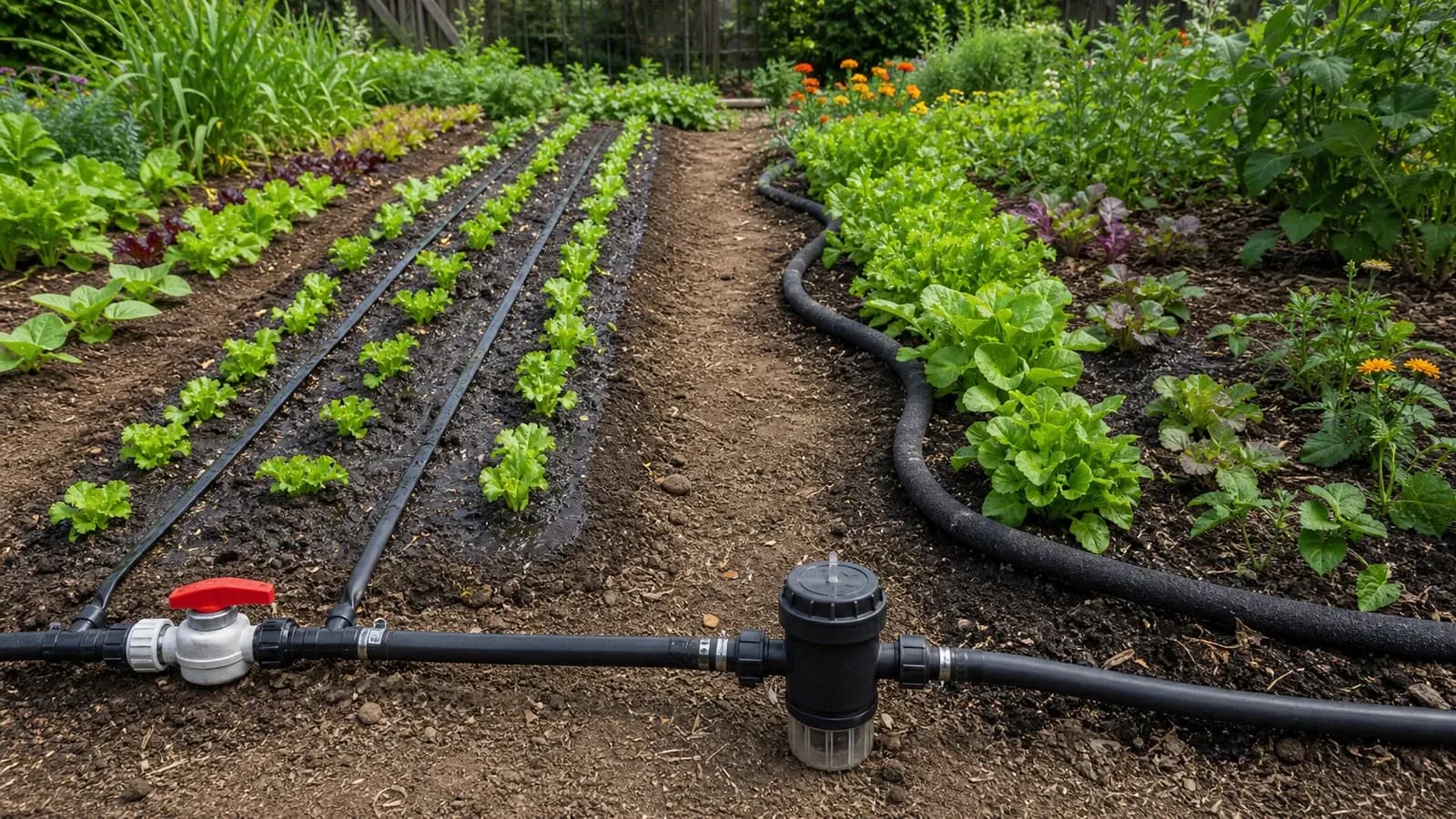
What is the difference between drip tape and soaker hose?
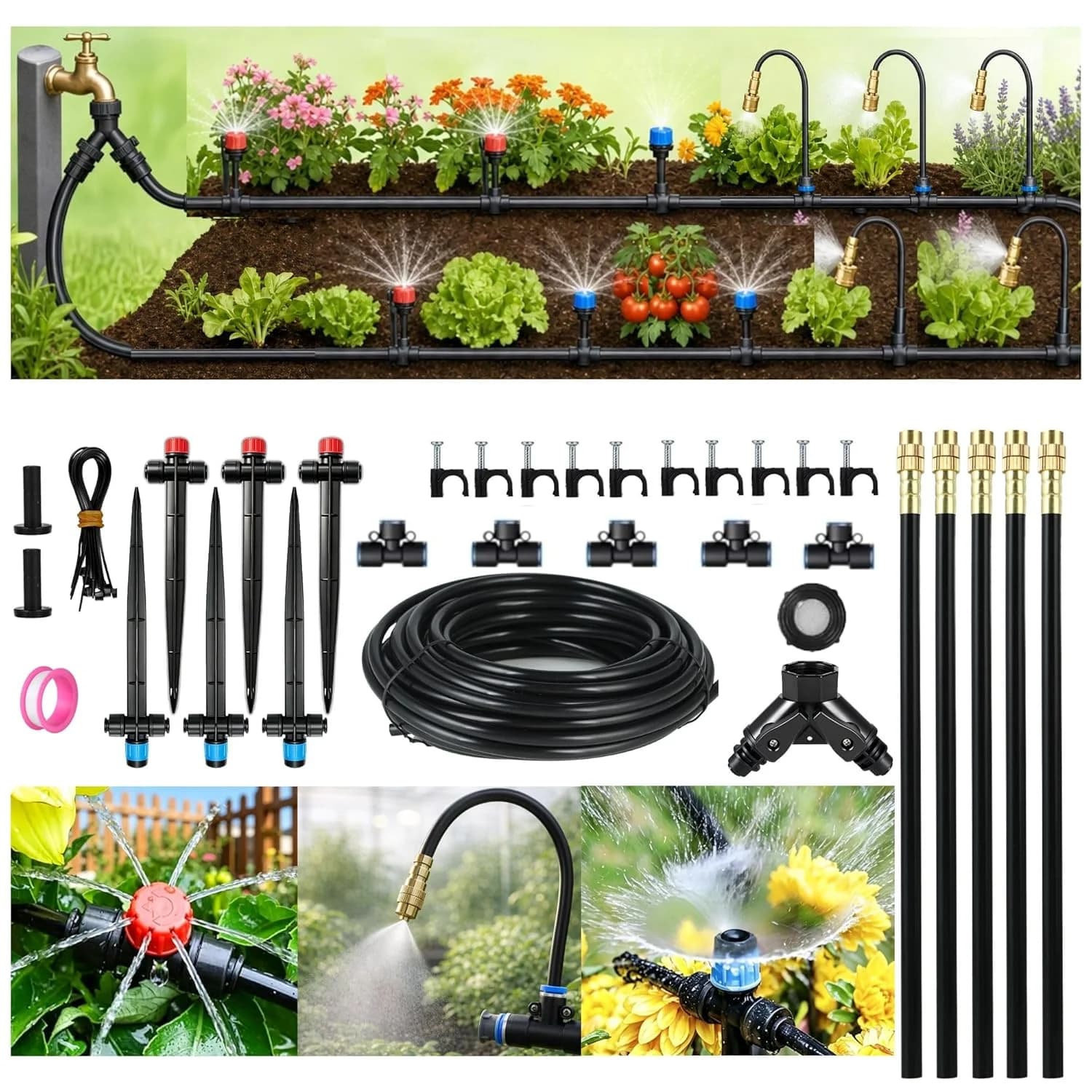
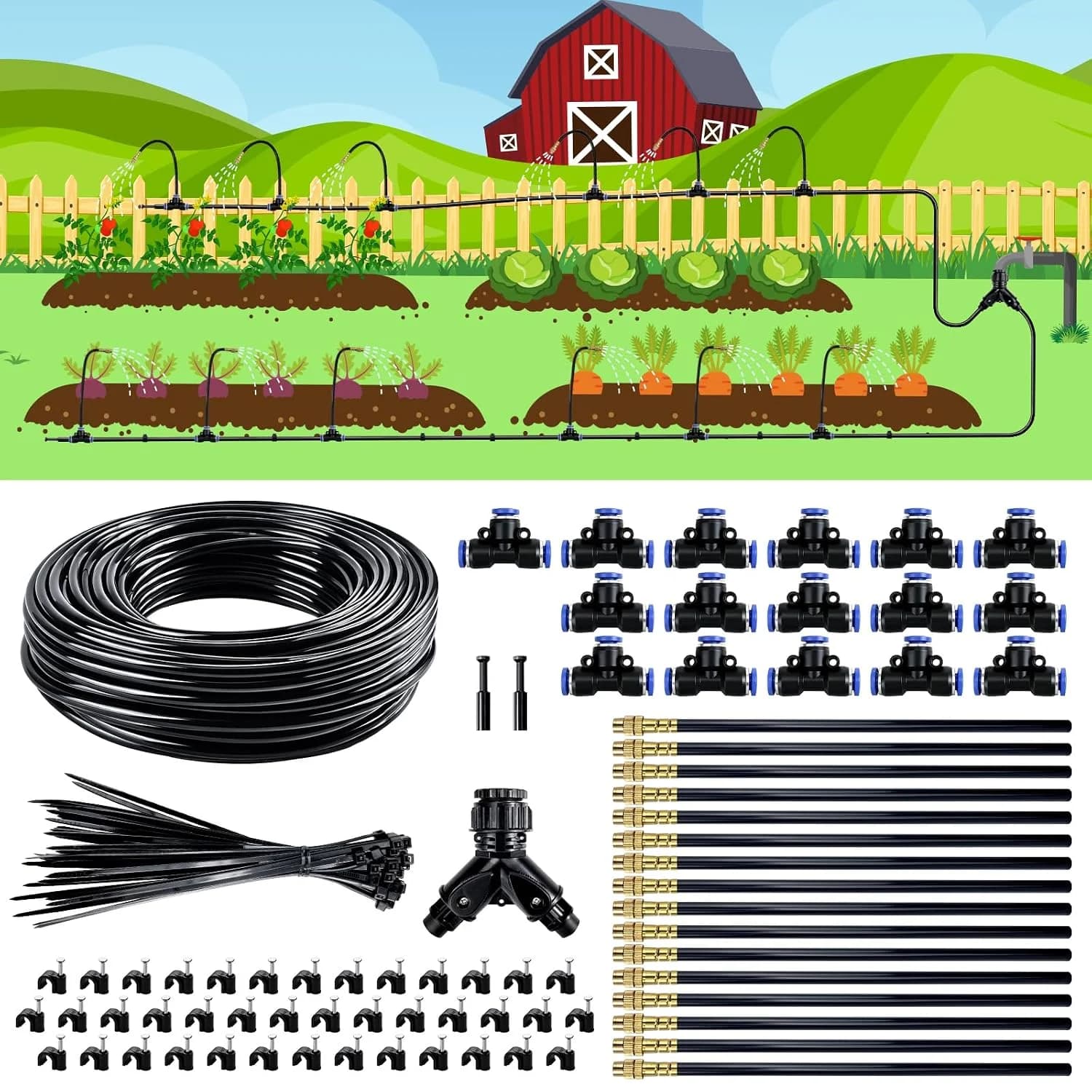
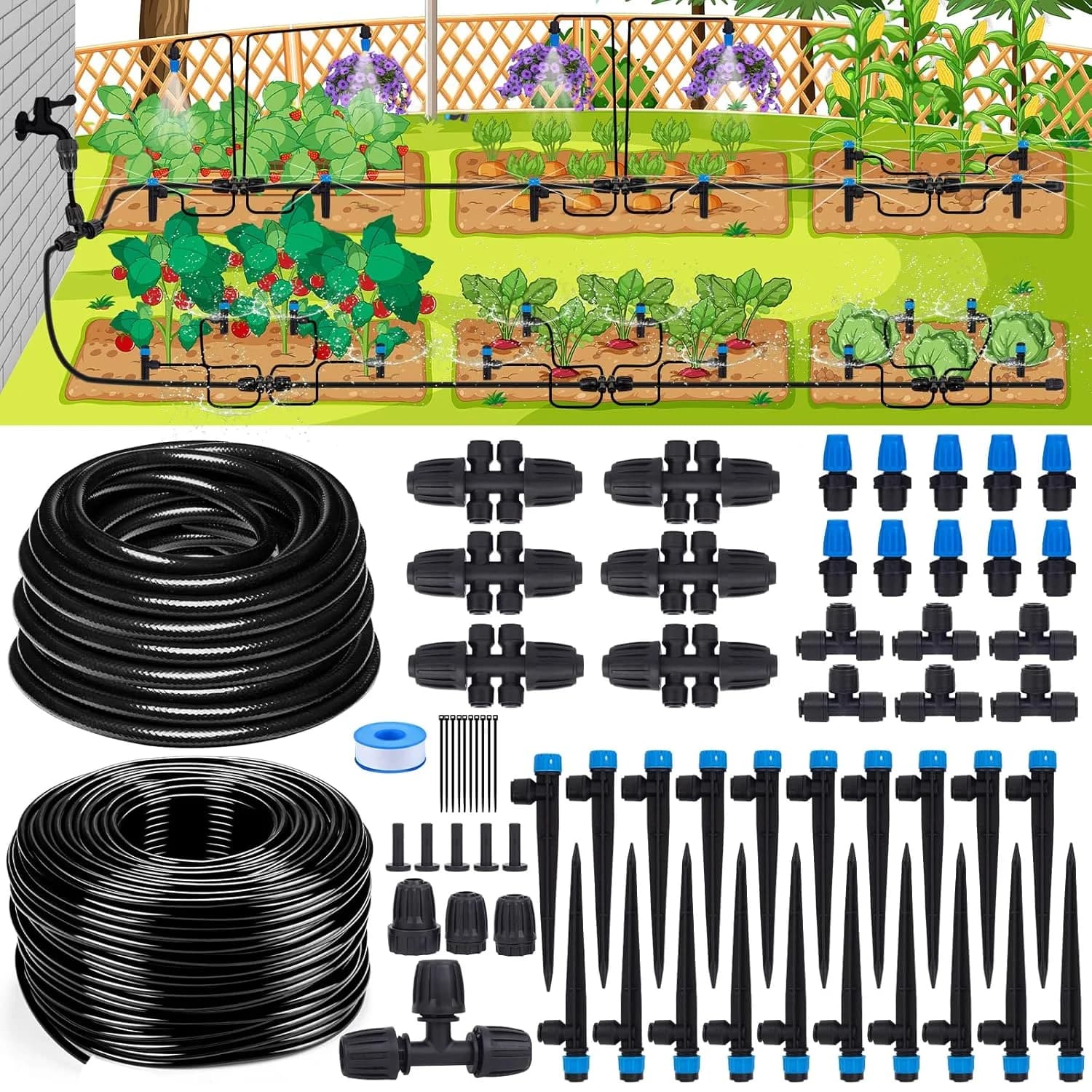
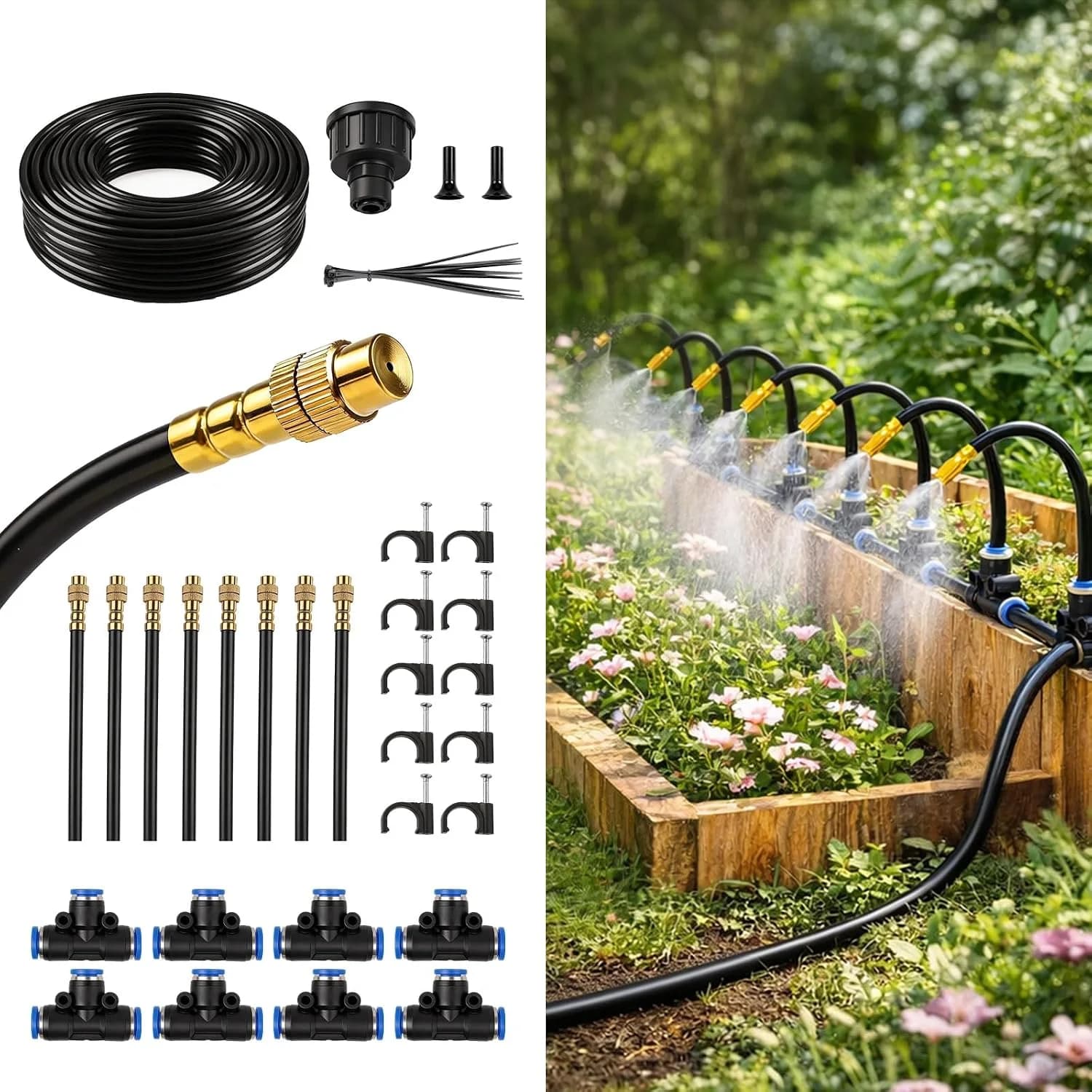
Drip tape is a collapsible integral lateral whose discrete emitters meter water; soaker hose is porous-wall tubing that releases water through many uncontrolled pores. Inline dripline is structured polyethylene lateral with factory emitters and greater wall durability. IrriNex — a professional irrigation-component supplier — recommends comparing these methods within the actual drip-irrigation zone rather than treating every black hose as hydraulically equivalent.
How do controlled emitters change garden performance?
The Food and Agriculture Organization of the United Nations (FAO) pressurized-irrigation handbook defines drip tape as thin-wall integral line with manufactured emission points and cites typical discharge of 0.4–1.0 litres per hour at 0.6–1.0 bar; it separately defines porous-wall hose, confirming that the two devices meter water differently. US Environmental Protection Agency (EPA) WaterSense adds that efficient microirrigation depends on correct design, installation, scheduling, and maintenance, not the label “low flow” alone.
Drip tape, soaker hose, and inline dripline compared
| Method | Advantages | Limits | Best suited for |
|---|---|---|---|
| Drip tape | Specified emitter spacing, calculable flow, easy seasonal retrieval | Straight layouts, low pressure, filtration, and careful handling required | Best suited for annual vegetables in long, straight rows |
| Soaker hose | Simple connection and easy curves through small beds | Discharge varies with length, pressure, pore condition, and elevation | Best suited for short informal beds where precision is secondary |
| Inline dripline | Durable wall and engineered emitters for repeated service | Higher cost and bulkier seasonal retrieval | Best suited for perennials, orchards, and sloping landscapes |
How to choose between drip tape and soaker hose in 5 steps
1. Define row shape and intended service life
Measure each straight run, curve, bed width, and elevation change, then decide whether the lateral stays permanently or is retrieved after harvest. Tape rewards repeated straight geometry, while short curved beds may justify hose or durable inline line.
2. Measure working flow and pressure
Test source flow with other expected demand present and measure pressure while water is moving. Compare those results with the complete lateral specification because static pressure at a closed faucet does not predict end-of-row output.
3. Calculate demand and expected uniformity
For tape or inline line, multiply emitter count by rated discharge and keep each run within the supplier’s length table. For soaker hose, divide the bed into short testable sections because pore discharge cannot be calculated from emitter spacing.
4. Install filtration, regulation, and flush access
Place a cleanable filter and suitable regulator before tape or inline emitters, then provide accessible ends for flushing. Secure every lateral on the soil surface or under shallow mulch without crushing, kinking, or burying unknown hose material.
5. Run a timed side-by-side field test
Place equal catch containers or inspect soil moisture at inlet, middle, and end after the same runtime. Select the method only if the root-zone pattern is acceptably even, then adjust zone length or split the header where it is not.

Conclusion: choose by uniformity and geometry
Use drip tape for straight seasonal rows, soaker hose for short informal curves, and inline dripline for durable permanent zones. First, calculate or field-test end-to-end output; second, separate laterals that need different pressure or runtime. For a measured comparison, contact the IrriNex technical team.