Drip Irrigation System Buying Guide
Abstract: A drip irrigation system is a low-pressure network that carries filtered water through tubing and releases it near plant roots through emitters. Buying the right system matters because a kit that exceeds source flow, omits pressure control, or uses mismatched fittings can water unevenly and fail early. This guide compares complete kits, modular assemblies, and component-specified systems for gardens, greenhouses, orchards, and crop rows. It explains how to measure flow and pressure, map irrigation zones, select filtration and emitters, verify tubing compatibility, and plan flushing and automation before ordering. EPA WaterSense (the U.S. Environmental Protection Agency’s water-efficiency program) reports that microirrigation can use 20 to 50 percent less water than conventional sprinklers, but savings depend on sound design and operation. Use the five-step process below to turn site measurements into a compatible bill of materials rather than buying by package size alone.
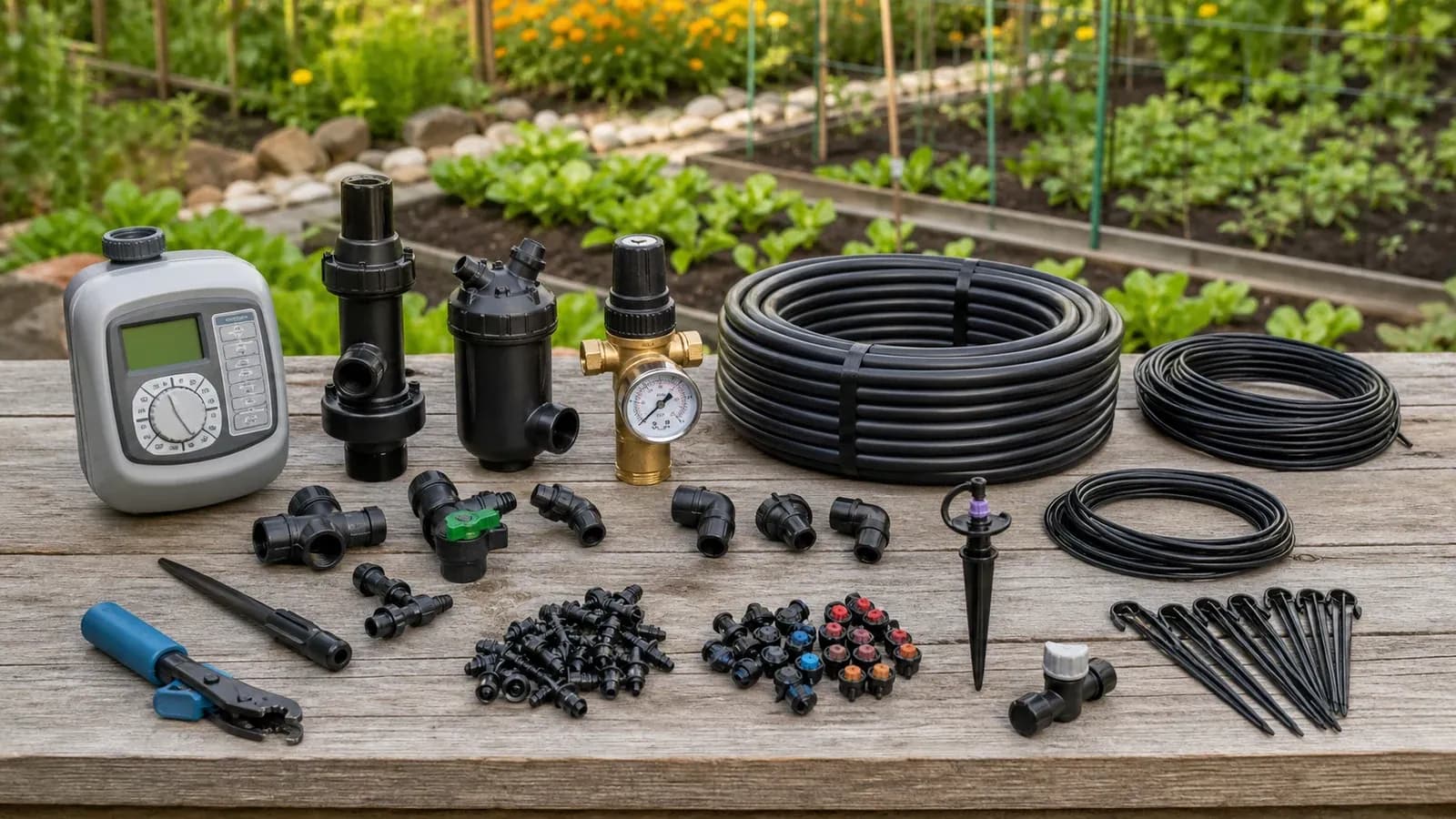
What should a drip irrigation system include?
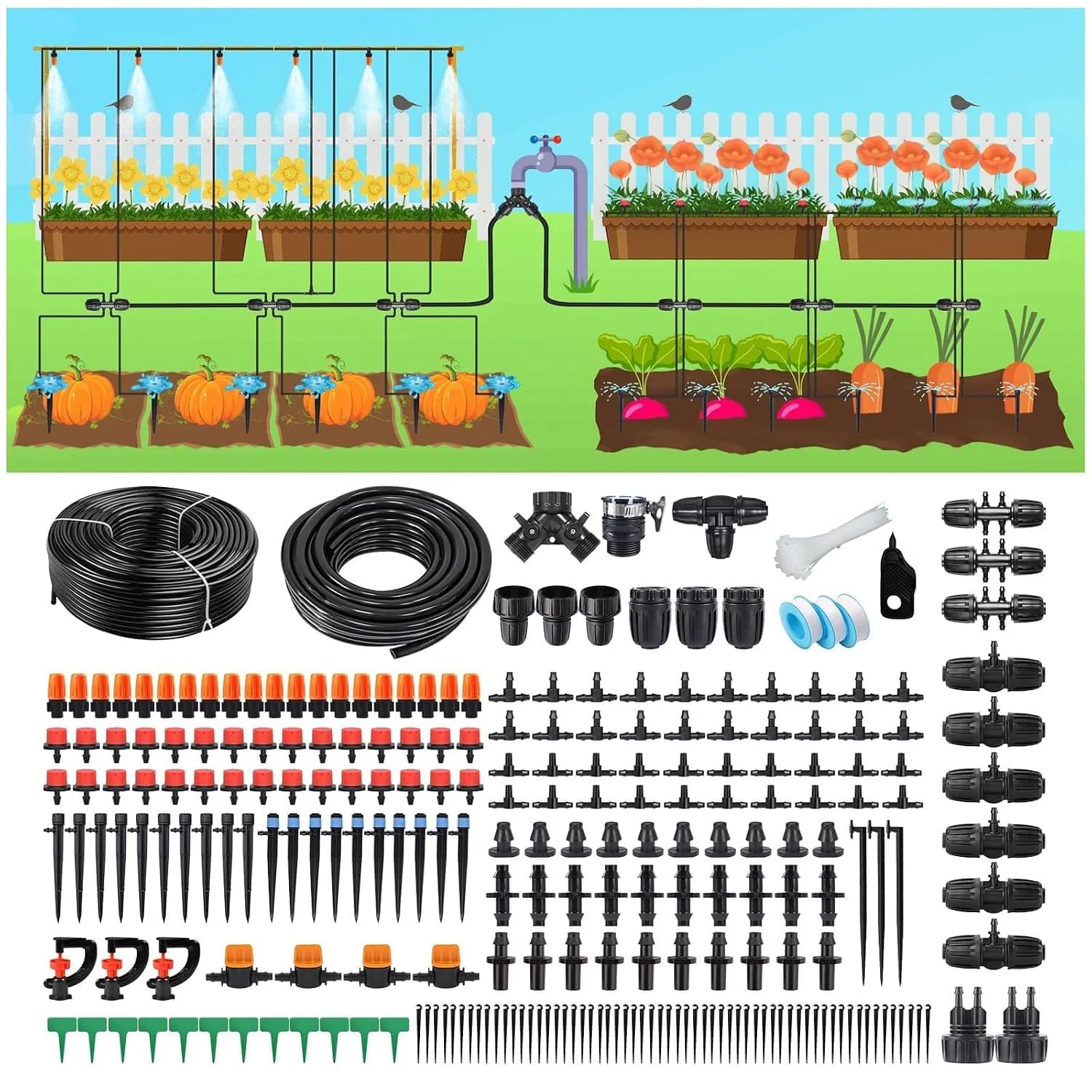
IrriNex (a professional supplier of agricultural irrigation systems and components) treats a purchase as a hydraulic chain: connection and backflow protection, filtration, pressure regulation, mainline, zone valves, laterals, emitters, flush ends, and control. An emitter is the device that meters water from a lateral into the root zone; its flow is normally stated in litres or gallons per hour.
According to U.S. Environmental Protection Agency WaterSense (the EPA’s water-efficiency program), microirrigation uses low pressure and low flow and can use 20–50% less water than conventional sprinklers. That figure is a reason to design carefully, not a guarantee attached to every box.
Compare three drip irrigation buying options
| Option | Advantages | Limitations | Best suited for |
|---|---|---|---|
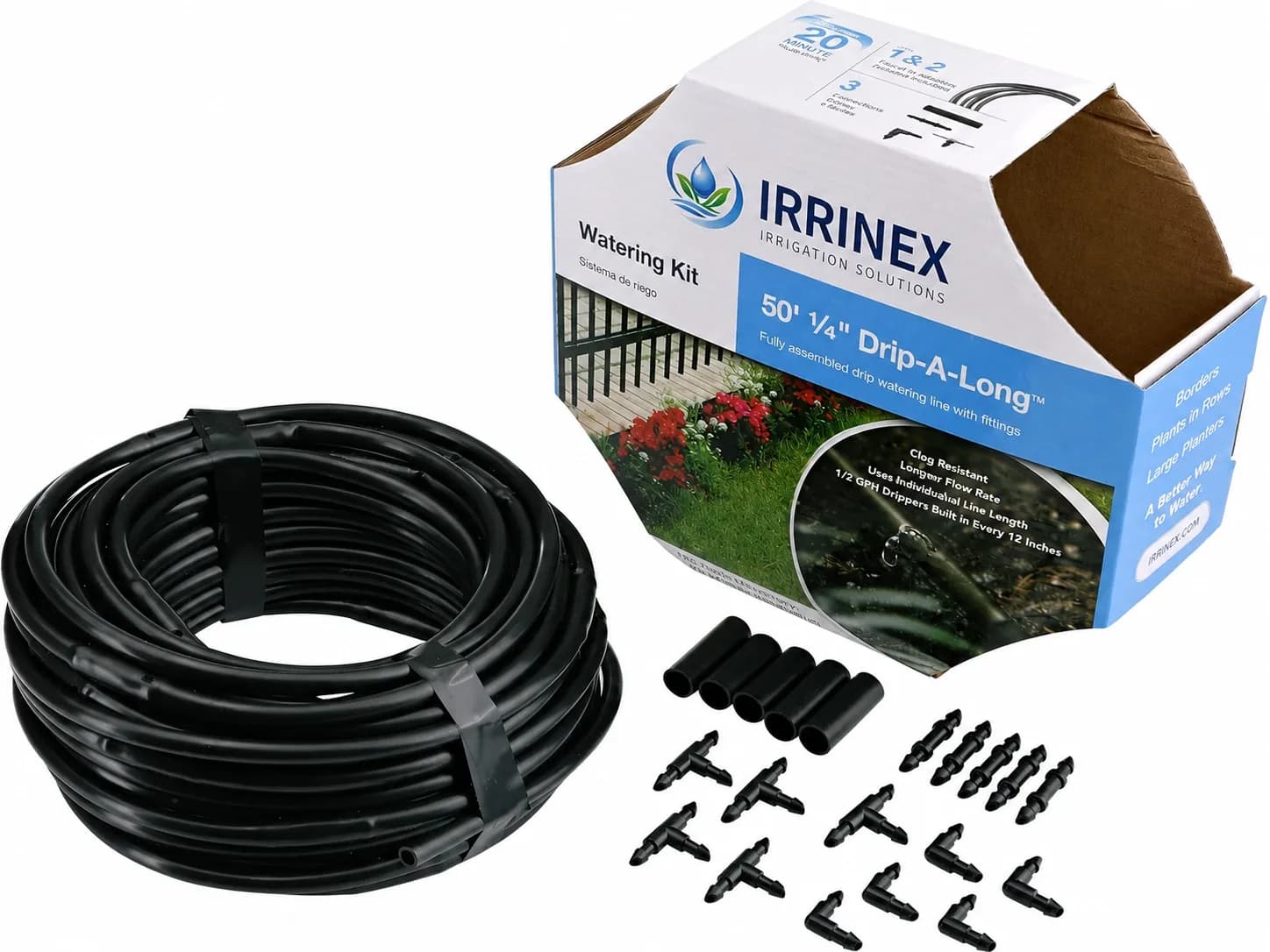
| Complete faucet-fed kit | Fast start; common fittings are bundled | Fixed coverage and emitter count; expansion may be limited | Best suited for a measured patio, raised bed, or small garden |
| Modular category-based system | Flexible zoning, emitter choice, and later expansion | Requires flow calculations and diameter checks | Best suited for mixed beds, greenhouses, and small orchards |
| Component-specified project | Optimized for long runs, elevation, filtration, and automation | More design work and commissioning | Best suited for farms, contractors, and distribution projects |
How to buy a drip irrigation system in five steps
1. Map plants and irrigation zones
Draw each bed, row, tree, container, elevation change, and future extension, then group plants with similar water demand. One controlled zone has one runtime, so crops with different root depths or seasonal needs should not share a valve merely because they are close.
2. Measure source flow, pressure, and water quality
Time a known bucket volume to calculate available flow, then read static and operating pressure with a gauge while water is moving. Note sand, algae, organic matter, and dissolved minerals because these observations determine whether the system needs a screen, disc, media, or hydrocyclone filter.

3. Select the system architecture
Choose a complete irrigation kit only when its coverage, pressure range, and emitter demand match the measurements. For several zones or future growth, start with the drip irrigation category and specify each hydraulic section instead.
4. Match every component and connection
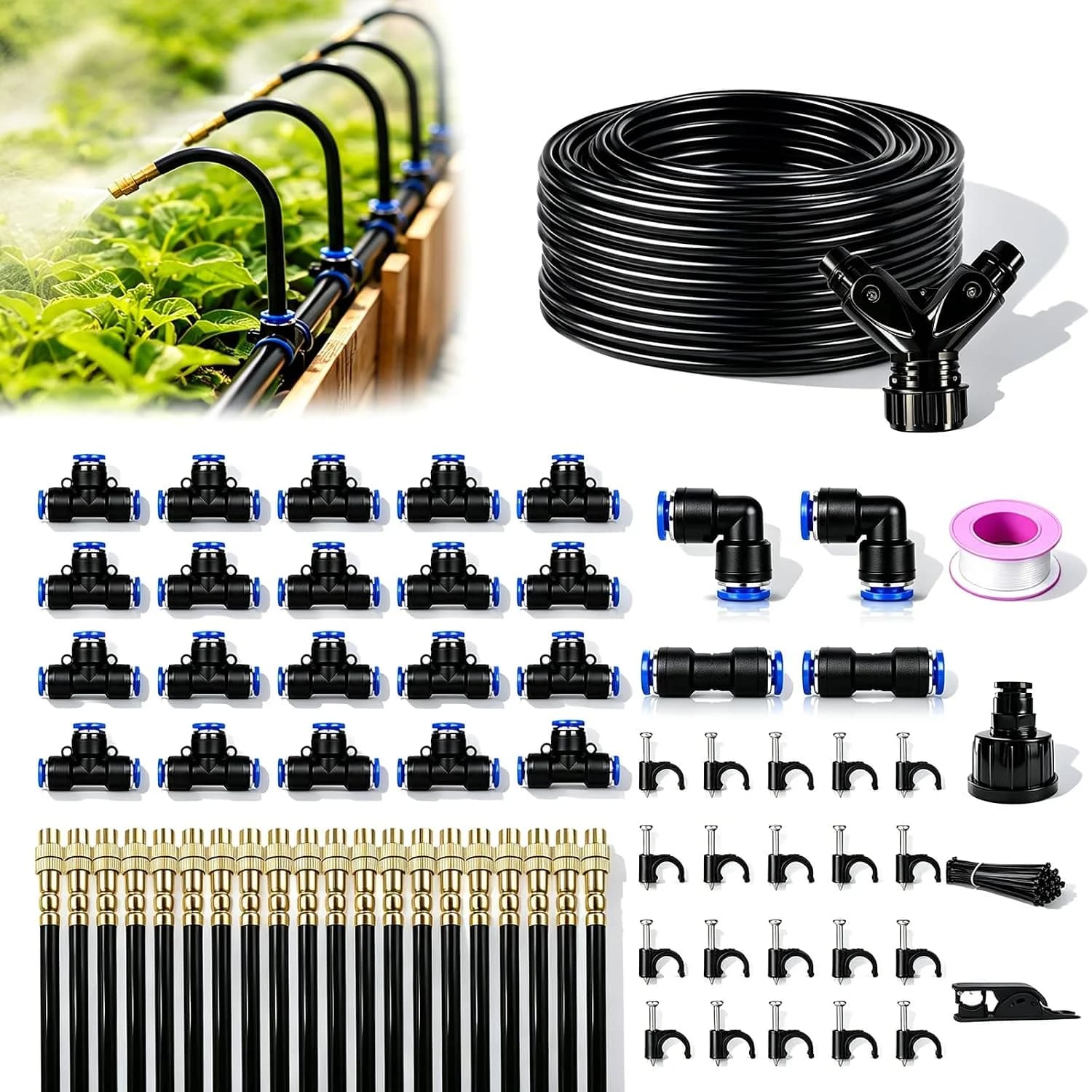
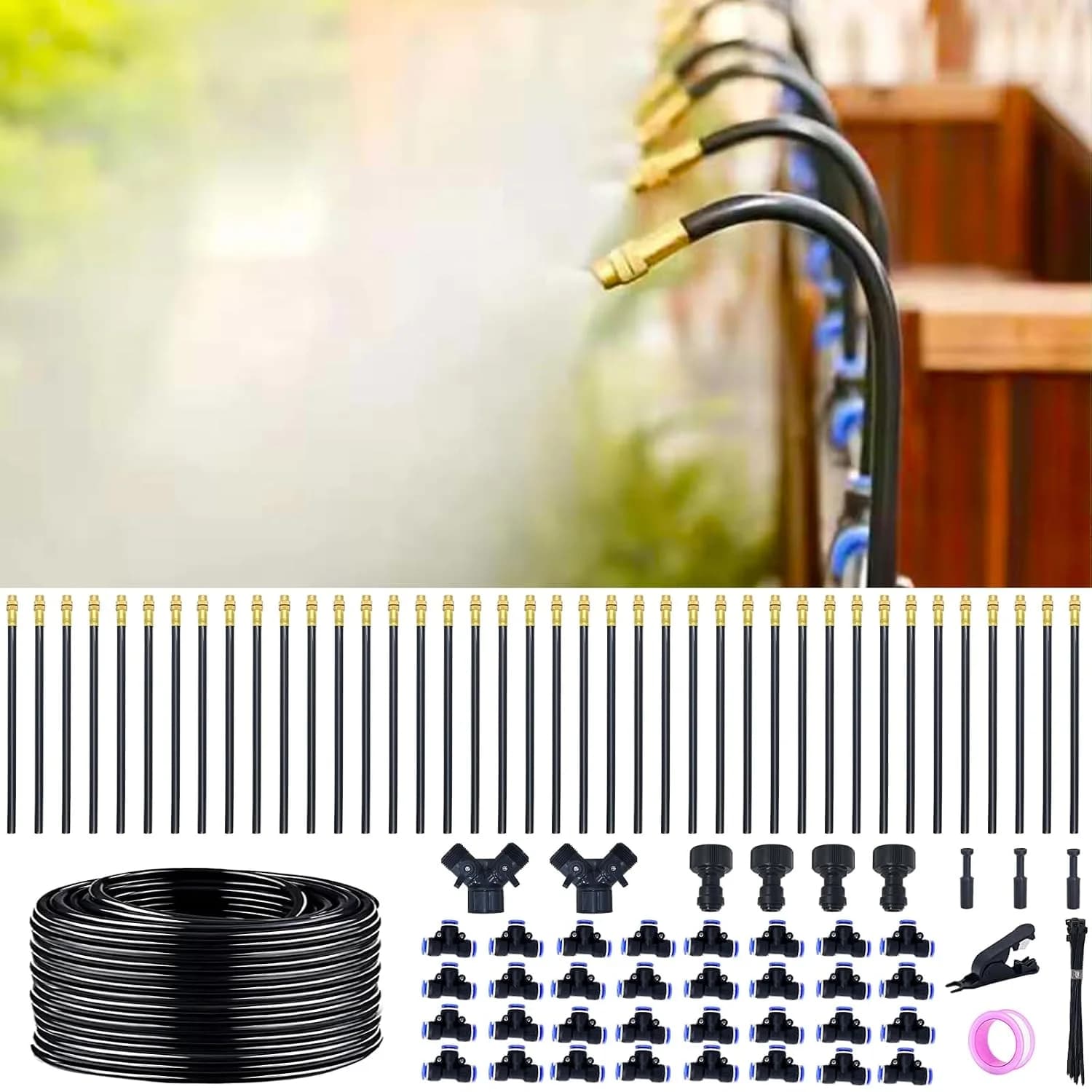
Put backflow protection, filtration, and regulation upstream of valves and narrow emitter passages, and retain flush access at line ends. Confirm tubing inside and outside diameter, thread standard, pressure rating, and fitting method through the tubing and fitting category; nominal names alone do not prove compatibility.
5. Check capacity, test, and automate
Add the flow of all emitters in each zone and keep it below measured source capacity, then flush open lines and test the farthest outlets before normal operation. If automatic control is needed, compare irrigation controllers and timers; WaterSense controller guidance states that a qualified controller can save an average home up to 15,000 gallons annually when properly installed and programmed.
Conclusion: buy from measurements, not package claims
The best drip irrigation system is the smallest compatible design that supplies every root zone uniformly and remains easy to flush and expand. Action 1: record flow, working pressure, water quality, and zone demand before requesting a quotation. Action 2: send that worksheet and connection details to the IrriNex technical team for a component review before ordering.