Boost Efficiency in Your Commercial Greenhouse with Commercial Greenhouse Rolling Benches
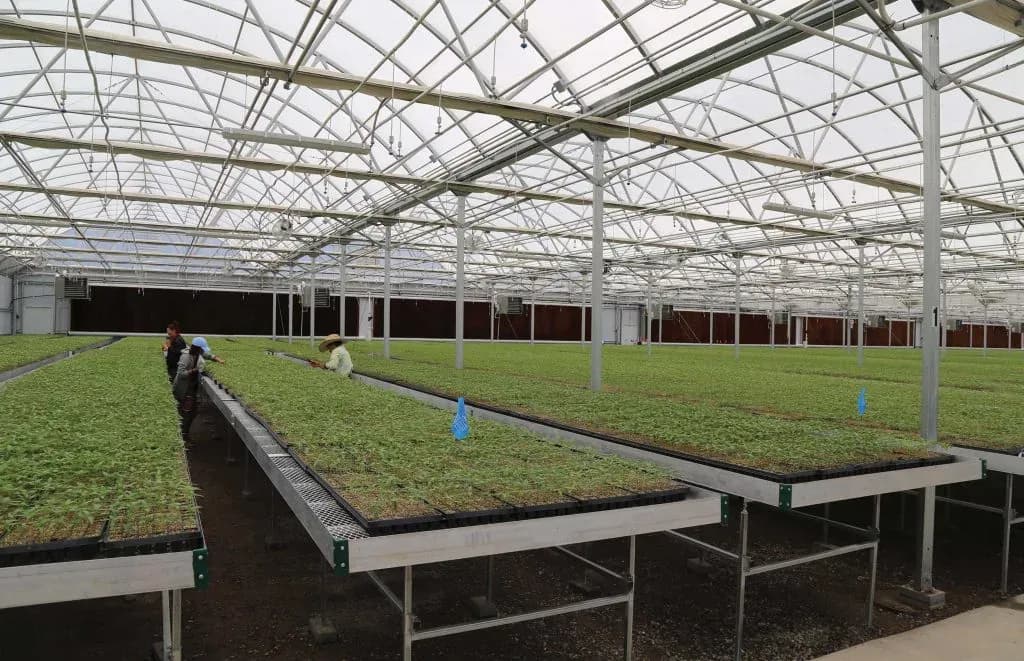
Summary: Commercial greenhouse rolling benches are mobile bench systems that slide laterally to reduce fixed aisles and increase the amount of productive growing area inside a greenhouse. They matter because greenhouse efficiency depends on more than plant density; irrigation access, drainage, airflow, labor movement, and crop handling all determine output per square meter. According to commercial greenhouse bench design guides used across controlled-environment agriculture, rolling benches can increase usable growing area by roughly 20 to 30 percent by replacing permanent walkways with movable access lanes. That gain becomes more valuable when the benches are integrated with drip irrigation, micro-sprinklers, fertigation, and disciplined drainage management. This article explains how rolling benches improve efficiency in a commercial greenhouse and how to connect the bench choice to irrigation system design.
What commercial greenhouse rolling benches are
Commercial greenhouse rolling benches are mobile bench platforms that move sideways on tracks or supports so workers can open an access lane only where it is needed. That design removes much of the floor space normally reserved for fixed aisles. In intensive greenhouse production, the bench system becomes part of the irrigation and labor layout rather than only a support structure.
How rolling benches improve greenhouse efficiency in 5 steps
Step 1: Increase productive growing area
Rolling benches increase usable canopy area by reducing fixed walkways. According to commercial greenhouse benching design practice, this often improves growing space by roughly 20 to 30 percent compared with fixed-bench layouts. That additional area directly affects output per greenhouse bay when crop density, irrigation, and labor access remain controlled.
Step 2: Improve irrigation uniformity and drainage control
A bench system only improves production if water is distributed evenly across the full bench width. Rolling benches work best when drip lines, micro distribution tubing, or misting systems are designed to flex or move cleanly with the bench. Good drainage is equally important, because a dense bench layout magnifies the effect of standing water and root-zone disease.
Step 3: Speed labor access and crop handling
Greenhouse labor becomes more efficient when crews open only the aisle they need instead of walking through a fixed network of underused lanes. That reduces time lost to movement during scouting, pruning, transplanting, and harvest. The benefit is operational, not cosmetic: less motion means more labor hours spent on crop work.
Step 4: Integrate fertigation and climate support systems
Rolling benches perform best when paired with irrigation lines that deliver uniform water and nutrients across the entire movable surface. This often means combining bench irrigation with a dedicated fertigation loop, clean filtration, and sometimes fogging or micro-sprinkler support for humidity management. For practical system references, see the greenhouse drip irrigation solution, the greenhouse micro sprinkler solution, and the fertigation system solution.
Step 5: Choose the bench configuration around crop and irrigation load
Not every crop needs the same bench width, deck type, or irrigation layout. Propagation trays, potted ornamentals, leafy greens, and vine crop seedlings all impose different water and weight demands on the bench system. The right choice balances space gain with irrigation access, maintenance access, and crop turnover speed.
Growing layout options compared
| Layout option | Pros | Cons | Best suited for |
|---|---|---|---|
| Floor growing | Low infrastructure complexity and simple movement of large containers | Lowest space efficiency and weaker water control at root level | Best suited for bulky crops, temporary operations, or greenhouses with limited bench budget |
| Fixed benches | Predictable layout and simple plumbing runs | Permanent aisles reduce production area | Best suited for medium-density greenhouse production with stable workflows |
| Rolling benches | Higher space utilization, flexible access, strong potential for irrigation efficiency | Needs better planning for irrigation movement, drainage, and labor access | Best suited for commercial greenhouses that need maximum output per square meter and disciplined crop handling |
Why irrigation design decides whether rolling benches actually work
Rolling benches do not improve crop quality by themselves. They improve the greenhouse only when the irrigation system, drainage pattern, and airflow strategy are designed around the movable bench. Poorly supported tubing, inconsistent emitter spacing, or uneven drainage can turn a space-saving bench layout into a crop-quality problem.
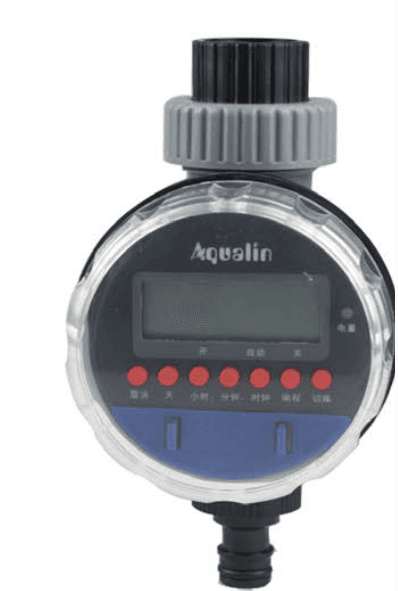
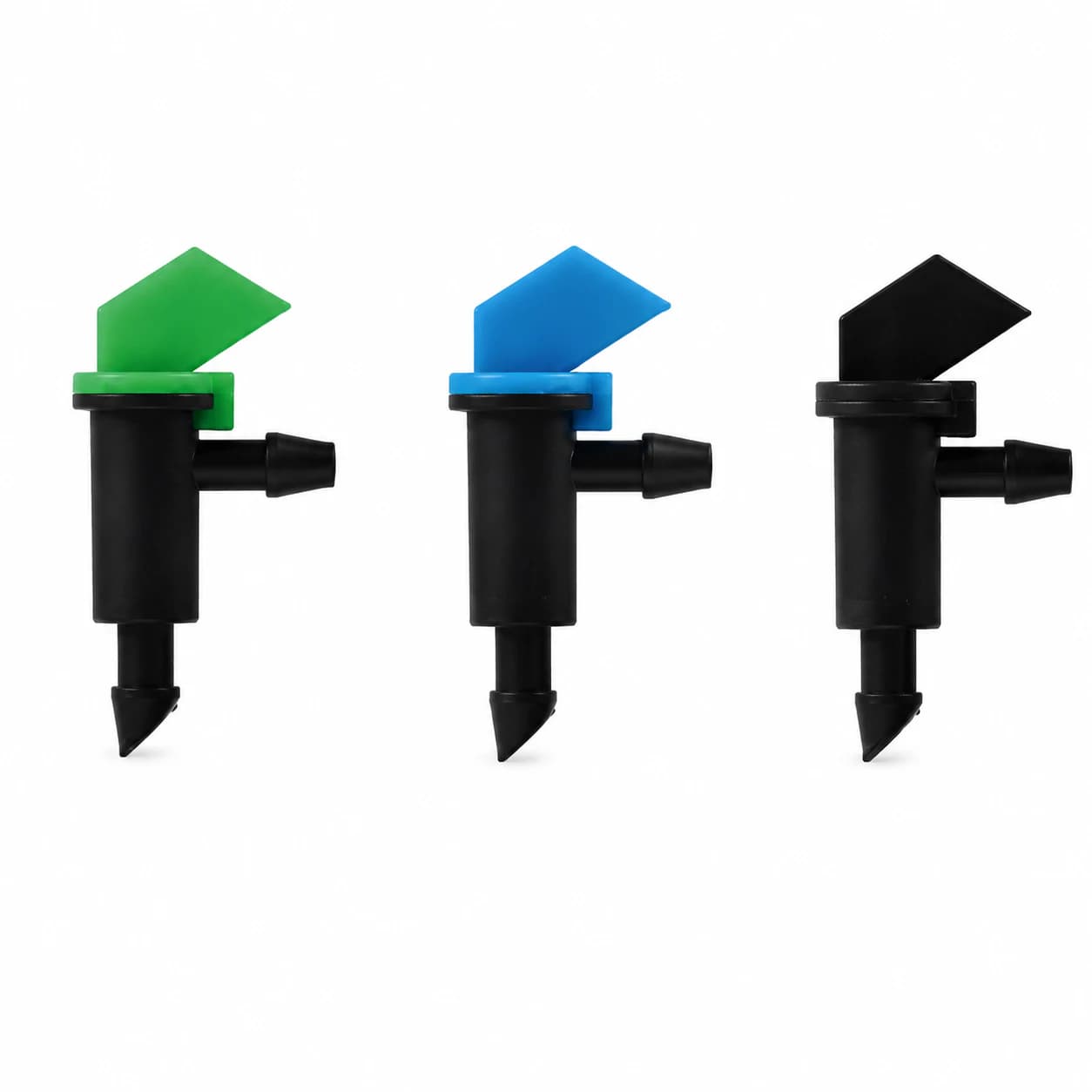
That is why many greenhouse operators pair rolling benches with precise low-volume irrigation. Useful components include distribution tube, drippers, irrigation fogger products, and irrigation filters.
Where rolling benches make the most sense
Rolling benches make the most sense in commercial greenhouse operations where land cost, greenhouse structure cost, or output targets justify more intensive use of the enclosed area. They are especially effective for potted crops, trays, propagation, and repetitive production cycles that benefit from uniform irrigation and structured labor movement. They are less essential when crop size, machinery access, or floor-level handling dominates the workflow.
Bottom line
Commercial greenhouse rolling benches improve efficiency when they are treated as part of the full water and workflow system, not as a standalone furniture upgrade. Expert advice: first, design irrigation movement and drainage before finalizing bench width and aisle travel; second, match the bench system to crop handling speed, not only to area gain. For greenhouse water-delivery options, compare the greenhouse drip irrigation solution, the greenhouse micro sprinkler solution, and the distribution tube category.