
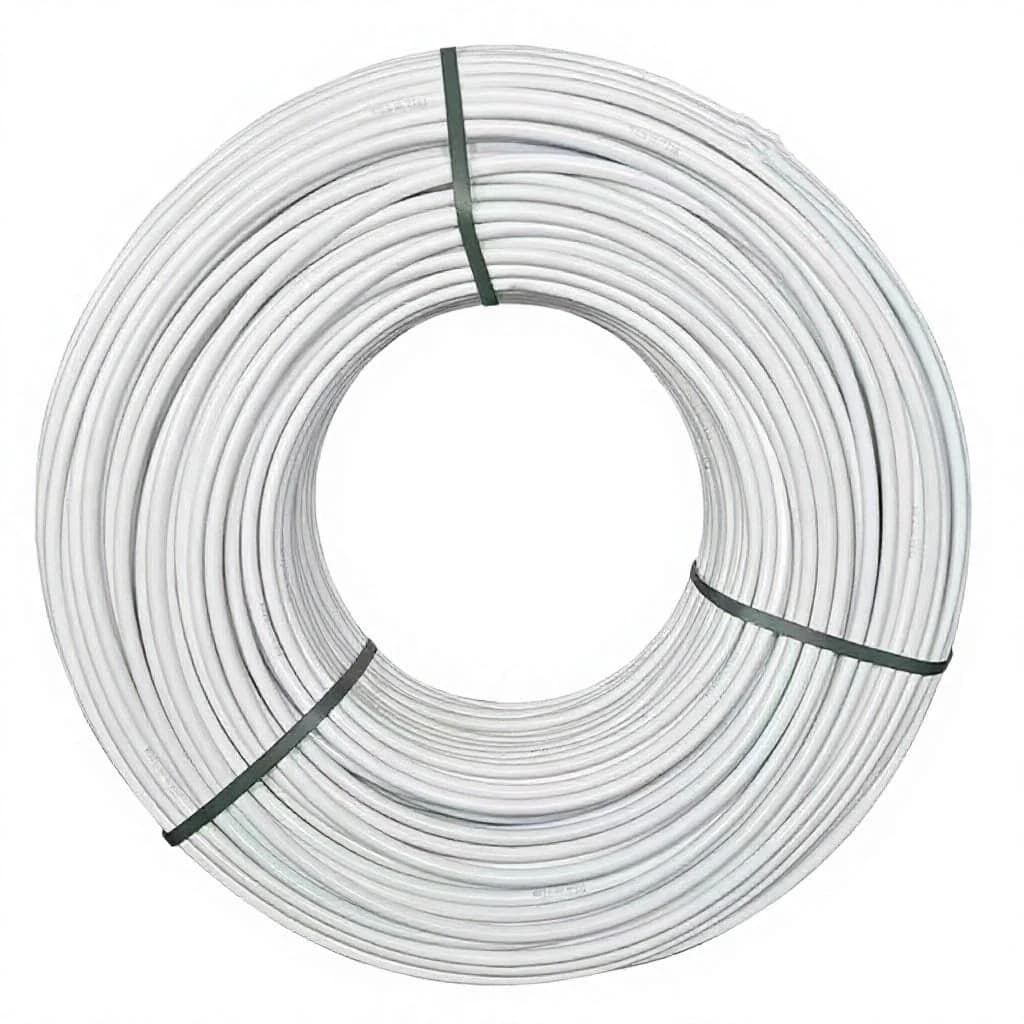
pe pipe
Tube d’irrigation PE blanc résistant aux UV
Tube PE blanc flexible livré en couronne pour les lignes latérales de goutte-à-goutte et la distribution d’eau en serre, pépinière, verger et plein champ.
PE
 1 / 7
1 / 7SKU: IRX-HDPE-PP
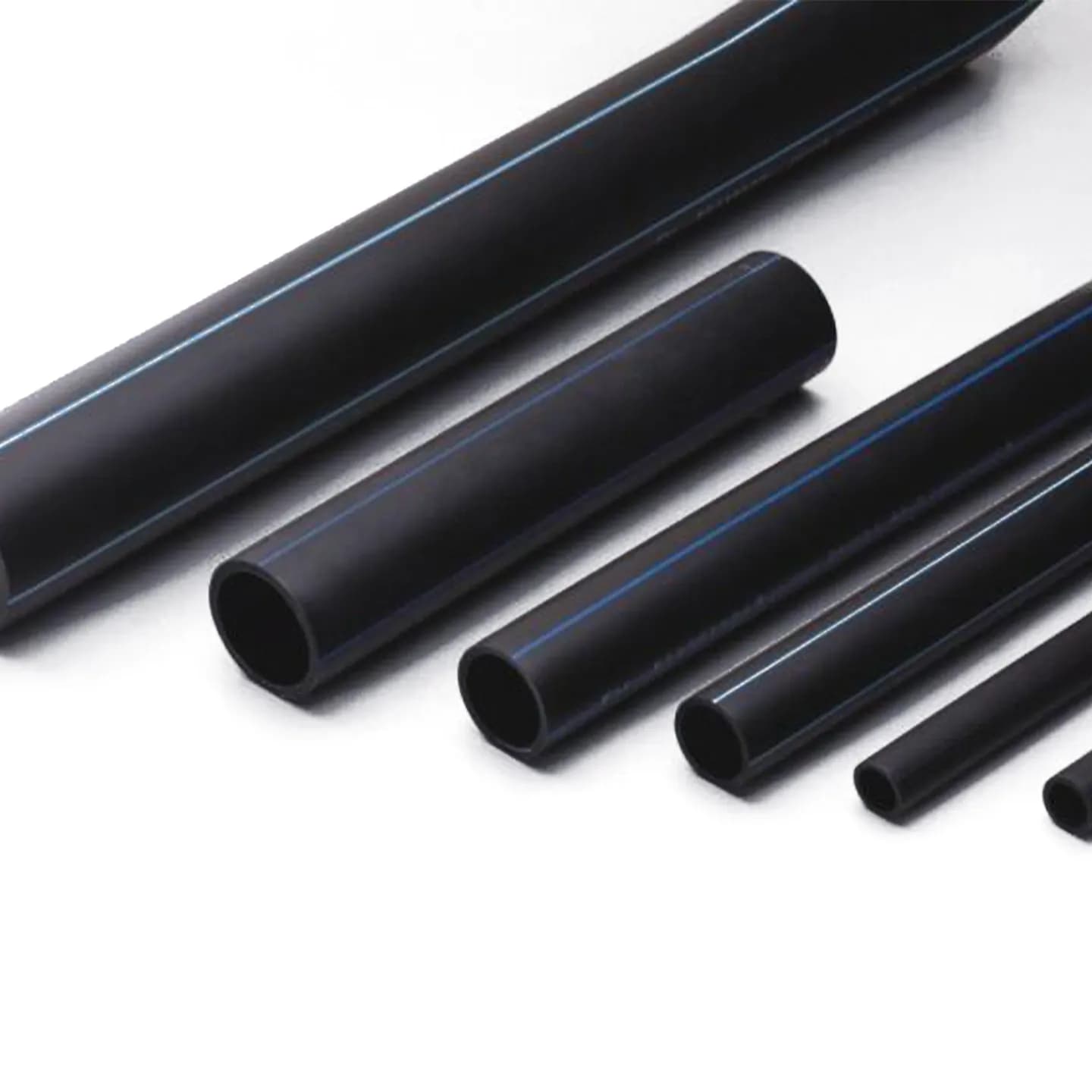
IrriNex HDPE Pipe is designed for agricultural irrigation, farm water supply, drip irrigation mainlines, sprinkler systems and long-distance water transfer. Its flexible, corrosion-resistant construction provides reliable water conveyance for farms, orchards, greenhouses and large-scale irrigation p
Matériau
HDPE
Normes
ISO9261, ISO, BS, DIN
DEMANDE POUR:
HDPE Pipe for Agricultural Irrigation – Farm Water Supply & Irrigation Mainline
HDPE pipe for agricultural irrigation is a flexible, durable polyethylene pressure pipe used to transport water from pumps, wells, reservoirs and main supply lines to drip, sprinkler and other farm irrigation systems.
IrriNex HDPE Pipe is designed for reliable water distribution in open-field farms, orchards, vineyards, greenhouses and large agricultural irrigation projects. Compared with rigid piping materials, HDPE provides excellent flexibility, corrosion resistance and impact resistance, making it especially suitable for long-distance pipelines and demanding outdoor environments.
Available configurations can be selected according to the required pipe diameter, SDR, pressure rating, flow rate and installation conditions, allowing the pipeline to be matched to both small farm irrigation systems and large commercial irrigation networks.
Agricultural irrigation pipelines must handle continuous water flow, pressure changes, outdoor installation and long operating distances.
HDPE irrigation pipe offers several practical advantages:
Corrosion Resistant – HDPE does not rust like metallic pipe and is suitable for long-term agricultural water transportation.
Flexible Construction – The pipe can accommodate bends, uneven terrain and minor ground movement more easily than rigid piping.
Smooth Internal Surface – A smooth bore helps reduce hydraulic friction and supports efficient water flow through long irrigation lines.
Fewer Pipeline Joints – Smaller HDPE pipe sizes can be supplied in long coils, reducing the number of connection points required in the field.
Strong Fusion Connections – Butt fusion and electrofusion can create continuous pipeline connections with a low risk of leakage when properly installed.
Lightweight & Easy to Install – HDPE is easier to transport, handle and install compared with many conventional rigid pipe materials.
Suitable for Above-Ground or Buried Installation – HDPE piping can be incorporated into both permanent underground networks and accessible agricultural water-distribution systems.
Long-Term Irrigation Solution – Correctly selected and installed HDPE piping provides reliable service with relatively low maintenance requirements.
IrriNex HDPE agricultural pipe can be used throughout the irrigation water distribution network.
HDPE pipe can transport water from the pump and filtration station to submains and drip irrigation zones.
It is suitable for irrigation systems serving:
Vegetables
Row crops
Orchards
Vineyards
Greenhouses
Nurseries
HDPE pipe can be used as a main or submain water supply line for agricultural sprinkler systems, including field sprinklers, impact sprinklers and rain gun irrigation systems.
The pipe can be used to transfer water between:
Wells and boreholes
Pumps
Reservoirs
Farm ponds
Water storage tanks
Filtration systems
Fertigation systems
Irrigation zones
The combination of flexibility, pressure capability and low-friction internal surfaces makes HDPE pipe particularly useful for moving irrigation water across large farms and agricultural projects.
Choosing HDPE pipe only by diameter is not enough.
For an agricultural irrigation project, the correct pipe specification should be selected according to:
The required diameter depends mainly on the irrigation system flow rate and acceptable pressure loss.
Larger irrigation zones and longer pipelines generally require larger pipe diameters.
SDR (Standard Dimension Ratio) describes the relationship between the outside diameter of the pipe and its wall thickness.
For pipes of the same diameter:
Lower SDR = thicker wall = higher pressure capability.
The pipe pressure class should be selected according to:
Pump pressure
Static pressure
Elevation difference
Friction loss
Irrigation operating pressure
Possible pressure surges
Main irrigation pipelines should be sized according to the total system demand rather than only the size of downstream drip lines or sprinklers.
Pipe selection should also consider whether the line will be:
Buried underground
Installed above ground
Exposed to sunlight
Installed on uneven terrain
Connected to pumps
Used as a permanent mainline or seasonal irrigation pipeline
IrriNex can assist with pipe selection when you provide the required flow rate, working pressure, pipeline length, elevation difference and irrigation application.
Depending on pipe size and project requirements, HDPE irrigation pipe can be connected using suitable joining methods such as:
Butt fusion
Electrofusion
Compression fittings
Flange connections
Mechanical irrigation fittings
Fusion joining is commonly used for permanent agricultural mainlines because it creates a strong continuous pipeline connection.
Mechanical fittings can be useful where irrigation components need to be removed, serviced or reconfigured.
In a complete drip irrigation system, HDPE pipe is generally used as part of the main water distribution network.
A typical system may include:
Water Source → Pump → Irrigation Filter → Fertilizer Injector → HDPE Mainline → Submain Pipe → Drip Pipe / Drip Tape → Emitters
Using the correct mainline diameter helps maintain sufficient flow and pressure before water enters the drip irrigation laterals.
For large fields, the system can also be divided into several irrigation zones controlled by valves.
Sprinkler systems normally require higher flow rates than individual drip irrigation laterals.
HDPE pipe can therefore be used to supply:
Impact sprinklers
Agricultural rotating sprinklers
Rain guns
Micro sprinkler systems
Field sprinkler networks
The correct pipe diameter should be calculated according to the combined sprinkler flow, operating pressure and total pipeline length.
Both HDPE and PVC can be used in agricultural water systems, but their characteristics are different.
HDPE offers greater flexibility, which makes it suitable for uneven farmland, long pipeline runs and applications where the pipe may experience movement or impact.
HDPE can also be supplied in long coils for selected diameters, allowing irrigation pipelines to be installed with fewer joints.
PVC is rigid and can be suitable for many permanent irrigation installations, while HDPE is often selected when flexibility, long-distance routing or fusion joining is important.
The best material depends on system pressure, diameter, installation environment and project budget.
IrriNex supplies irrigation products for commercial farms, irrigation contractors, distributors and agricultural projects worldwide.
We can support customers with:
Multiple pipe diameter options
Different SDR and pressure classes
Agricultural irrigation system matching
Pipe and fitting selection
Drip and sprinkler system integration
OEM and private-label requirements
Bulk project quotations
Export packaging
International shipping
Technical product selection
Whether you are building a small farm irrigation network or sourcing HDPE pipe for a large agricultural project, our team can help select a suitable configuration based on your operating conditions.
For an accurate quotation, please provide:
Pipe Diameter + SDR / Pressure Rating + Required Length + Quantity + Destination Country / Port
If you are unsure which HDPE pipe specification you need, send us your pump flow rate, working pressure, pipeline length and irrigation application.
IrriNex can help you select the appropriate HDPE pipe and compatible irrigation components for your project.
HDPE pipe is commonly used for farm water supply, drip irrigation mainlines, sprinkler irrigation, pump delivery lines and long-distance agricultural water transportation.
Yes. HDPE pipe is commonly used as the mainline or submain that carries water from the pump and filtration system to drip irrigation zones.
Yes. HDPE piping can supply agricultural sprinklers, impact sprinklers, rain guns and other pressurized irrigation systems when the pipe diameter and pressure class are properly selected.
SDR means Standard Dimension Ratio. It describes the relationship between pipe outside diameter and wall thickness. For the same outside diameter, a lower SDR generally means a thicker wall and higher pressure capability.
Pipe size should be selected according to required flow rate, pipeline length, working pressure, elevation difference and acceptable pressure loss. For large irrigation projects, hydraulic calculations are recommended.
Yes. HDPE pipe is widely used for buried agricultural water distribution systems when installation and pipe specifications are designed for the site conditions.
Common connection methods include butt fusion, electrofusion, compression fittings, flange connections and other compatible mechanical fittings.
Tube PE blanc flexible livré en couronne pour les lignes latérales de goutte-à-goutte et la distribution d’eau en serre, pépinière, verger et plein champ.
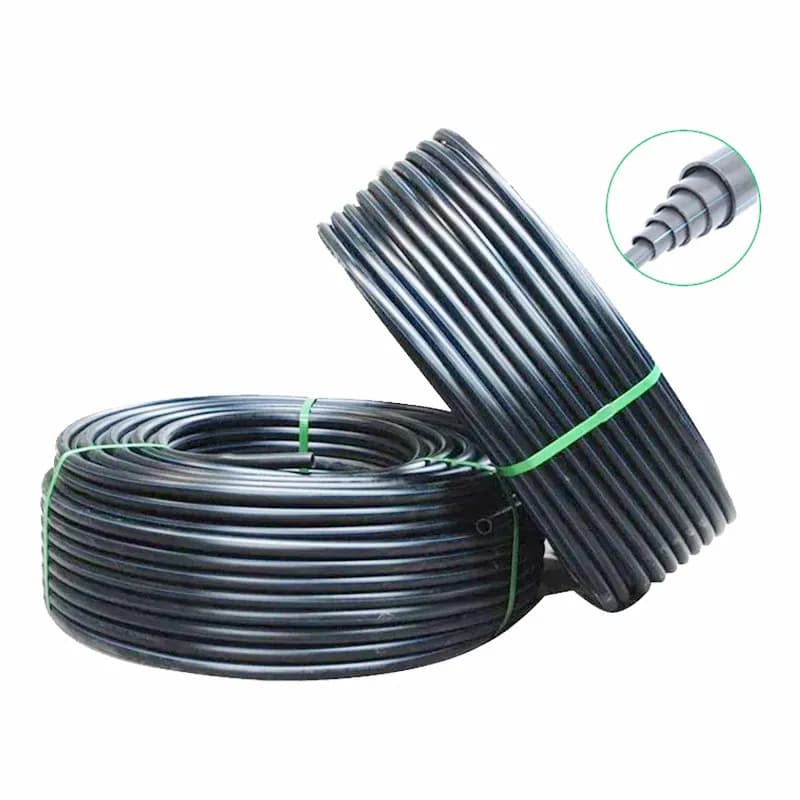
Conduite latérale PE vierge pour lignes latérales d'irrigation goutte à goutte.