5 composants d'un systeme d'aspersion qui ameliorent l'efficacite de l'irrigation
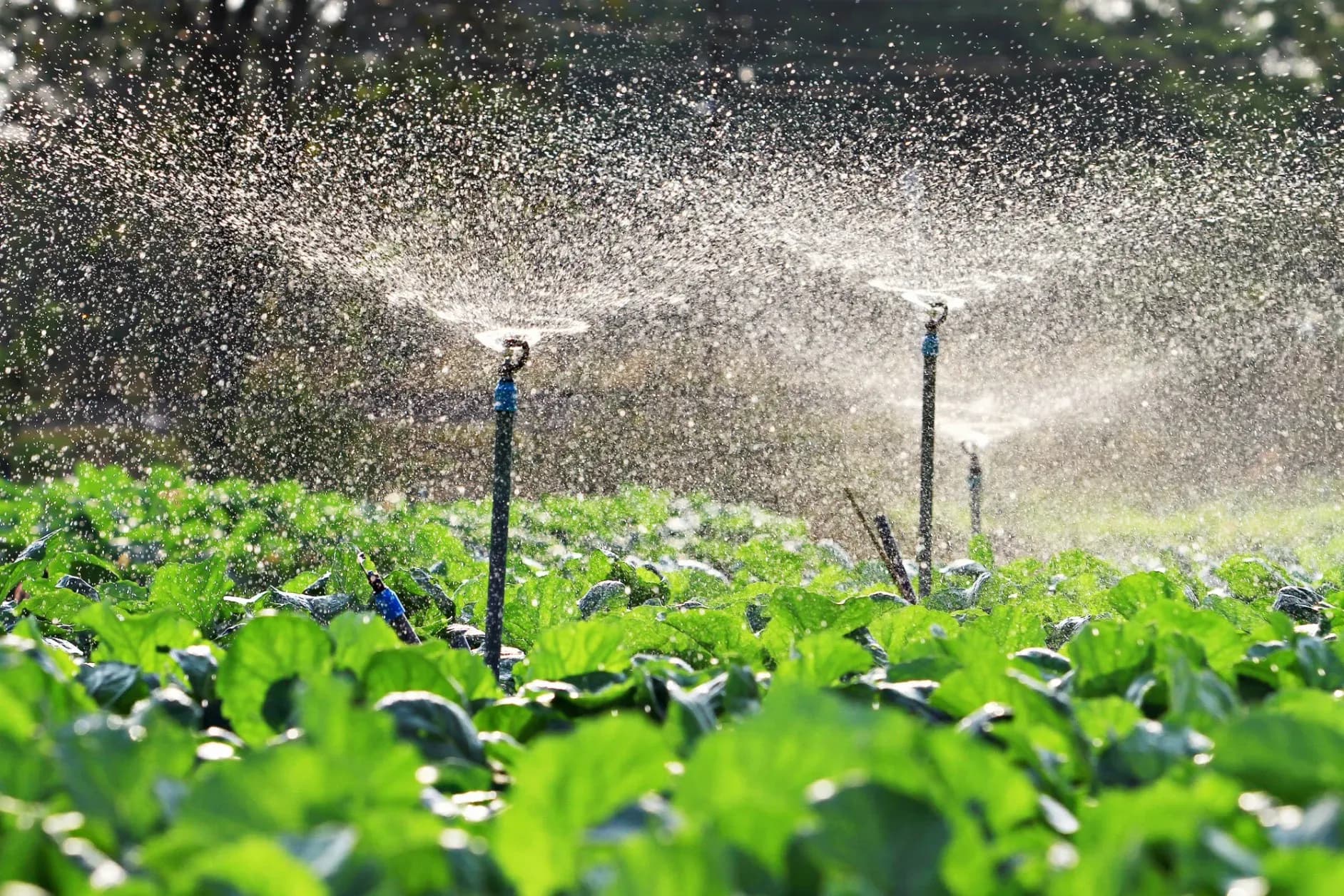
Un systeme d'aspersion efficace ne tient pas a une seule bonne piece. Il depend surtout d'un ensemble coherent : des tetes adaptees, des vannes qui ouvrent et ferment proprement, des conduites saines, une protection anti-retour correcte et un programmateur regle avec bon sens. Quand l'un de ces elements est mal choisi ou fatigue, le probleme finit presque toujours par apparaitre sur le terrain sous forme de zones seches, de ruissellement ou de pression instable.
Si vous voulez ameliorer une installation ou comprendre pourquoi elle arrose mal, commencez par ces cinq composants. Ce sont eux qui decident, au quotidien, si l'eau arrive au bon endroit et au bon rythme.
Pourquoi il faut connaitre les pieces qui comptent
Savoir comment le reseau est construit change completement la facon de depanner. Au lieu de supposer que "le systeme arrose mal", vous pouvez verifier si le souci vient de la distribution, du pilotage des zones, de l'etat des conduites ou du reglage du programmateur.
- Vous reperez plus vite une mauvaise couverture.
- Vous detectez les petites fuites avant qu'elles ne coutent cher.
- Vous adaptez les durees d'arrosage a la saison et au sol.
- Vous remplacez les pieces vraiment critiques en priorite.
- Vous limitez les interventions repetitives sur la meme zone.
1. Les tetes d'aspersion
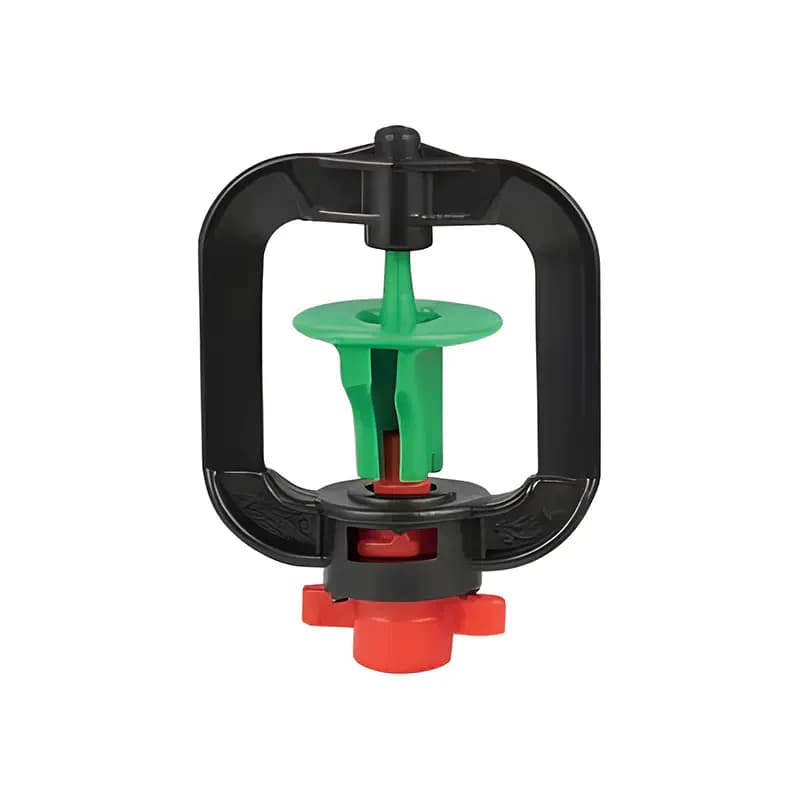
Les tetes sont la partie visible du systeme, donc celle que l'on accuse en premier. Ce n'est pas toujours injuste : elles decident de la forme du jet, du recouvrement et de l'uniformite de la zone arrose.
Choisir le bon type de tete
Les turbines conviennent mieux aux grandes zones ouvertes, car elles arrosent plus loin et plus lentement. Les buses fixes sont plus a l'aise sur des secteurs compacts, avec des contours serrés, des massifs ou des obstacles. En verger, en pepiniere ou en serre, les micro-asperseurs donnent parfois un meilleur compromis entre portee et precision. Pour ce type de configuration, consultez notre solution de micro-aspersion pour serre.
Ce qu'il faut verifier
- Des buses bouchees ou un jet deformé
- Des tetes qui ont pris du jeu ou se sont inclinees
- Une pression trop faible qui raccourcit la portee
- Des buses differentes melangees dans la meme zone
- Des fuites au niveau du corps ou de la rehausse
2. Les vannes
Les vannes commandent le passage de l'eau entre les zones. C'est elles qui permettent a une pelouse, un massif et une parcelle de production de fonctionner chacun sur leur propre programme. Sans cette separation, impossible d'arroser correctement des surfaces qui n'ont pas les memes besoins.
Dans la plupart des installations modernes, les vannes sont pilotees par electrovanne. Elles ouvrent quand le programmateur lance une zone et restent fermees le reste du temps. Comme elles travaillent souvent, elles meritent un vrai suivi. Si vous voulez une check-list plus detaillee, lisez notre guide de maintenance des vannes d'irrigation.
Signes de fatigue frequents
- Une vanne qui ne ferme pas completement
- Des debris dans la membrane ou le corps de vanne
- Un defaut de cablage qui empeche l'ouverture
- Une sectorisation mal pensee entre zones tres differentes
3. Les tuyaux et raccords
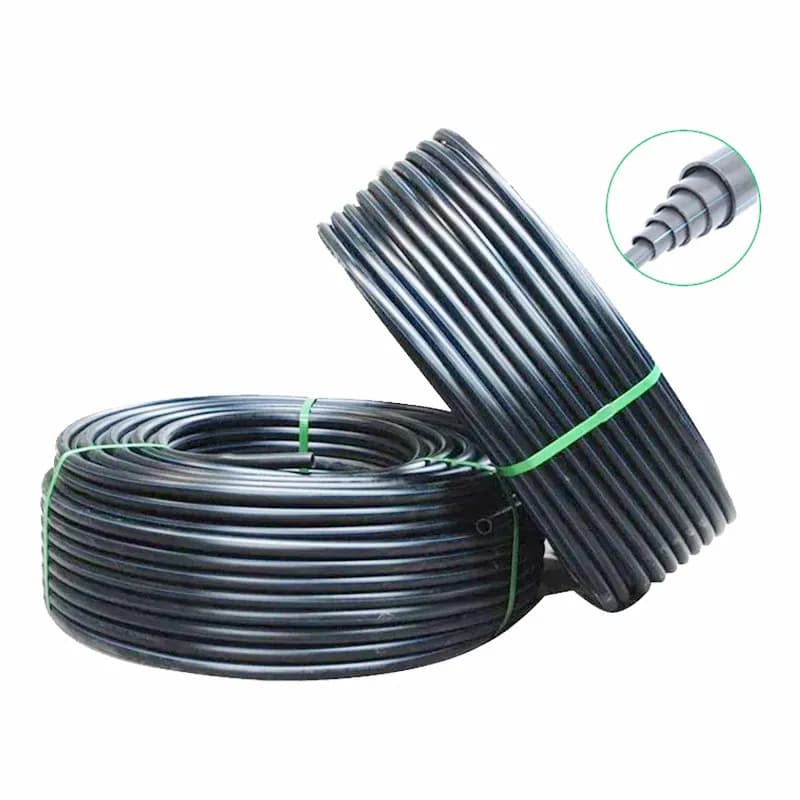
Ils transportent l'eau depuis l'alimentation jusqu'aux vannes, puis jusqu'aux asperseurs. Leur role parait simple, mais la fiabilite du reseau depend beaucoup du bon materiau, de la bonne classe de pression et de raccords montes proprement.
Le PVC est souvent retenu sur les sections rigides sous pression. Le PE apporte plus de souplesse lorsqu'il faut contourner un relief ou simplifier la pose. Si vous comparez ces deux options, voir aussi notre comparaison PVC vs PE.
Bonnes pratiques cote reseau
- Associer les raccords a la bonne specification de tube
- Proteger les parties exposees contre les chocs et le gel
- Utiliser des liaisons flexibles dans les zones a trafic
- Reparer rapidement les fissures et assemblages desserres
4. La protection anti-retour
Le dispositif anti-retour empeche l'eau d'irrigation de revenir vers le reseau d'eau propre. C'est une fonction de securite, pas un accessoire. Une installation d'irrigation peut contenir des sediments, des residues de fertilisants ou d'autres contaminants qu'il ne faut jamais voir repartir vers la ligne domestique.
Le type d'anti-retour depend du site, de la reglementation locale et des conditions de pression. Mais le principe ne change pas : la partie irrigation doit rester isolee de l'alimentation en eau potable.
Cette protection marche encore mieux avec une bonne gestion de la qualite d'eau. Si votre eau charrie des particules ou de la matiere organique, regardez aussi comment choisir le bon systeme de filtration.
5. Le programmateur
Le programmateur decide quand chaque vanne s'ouvre, combien de temps elle reste active et a quelle frequence le cycle se repete. Meme avec de bonnes tetes et de bonnes vannes, un mauvais reglage suffit a sur-arroser une zone et a en priver une autre.
Les programmateurs recents permettent d'ajuster les arrosages selon la saison ou de suspendre les cycles lorsqu'il a plu. C'est souvent la que se jouent les vraies economies d'eau.
L'erreur la plus courante
Laisser le meme programme toute l'annee. Les besoins du printemps, du plein ete et de l'automne ne se ressemblent pas. Revoir regulierement les durees par zone est l'une des corrections les plus simples et les plus utiles.
Quand tous les composants travaillent ensemble
Un bon systeme d'aspersion fonctionne comme une chaine logique : le programmateur donne l'ordre, la vanne dirige l'eau, le reseau la transporte, les tetes la repartissent et l'anti-retour protege la source d'eau propre en arriere-plan. Quand ces pieces sont cohérentes entre elles, la couverture devient plus reguliere, les pertes baissent et la maintenance devient beaucoup plus lisible.
Si vous preparez une nouvelle zone d'aspersion ou une remise a niveau d'un reseau existant, contactez IrriNex pour choisir les composants selon la pression, la portee et l'usage reel.