Guide de dimensionnement des raccords goutte-a-goutte : bien associer tubes et raccords
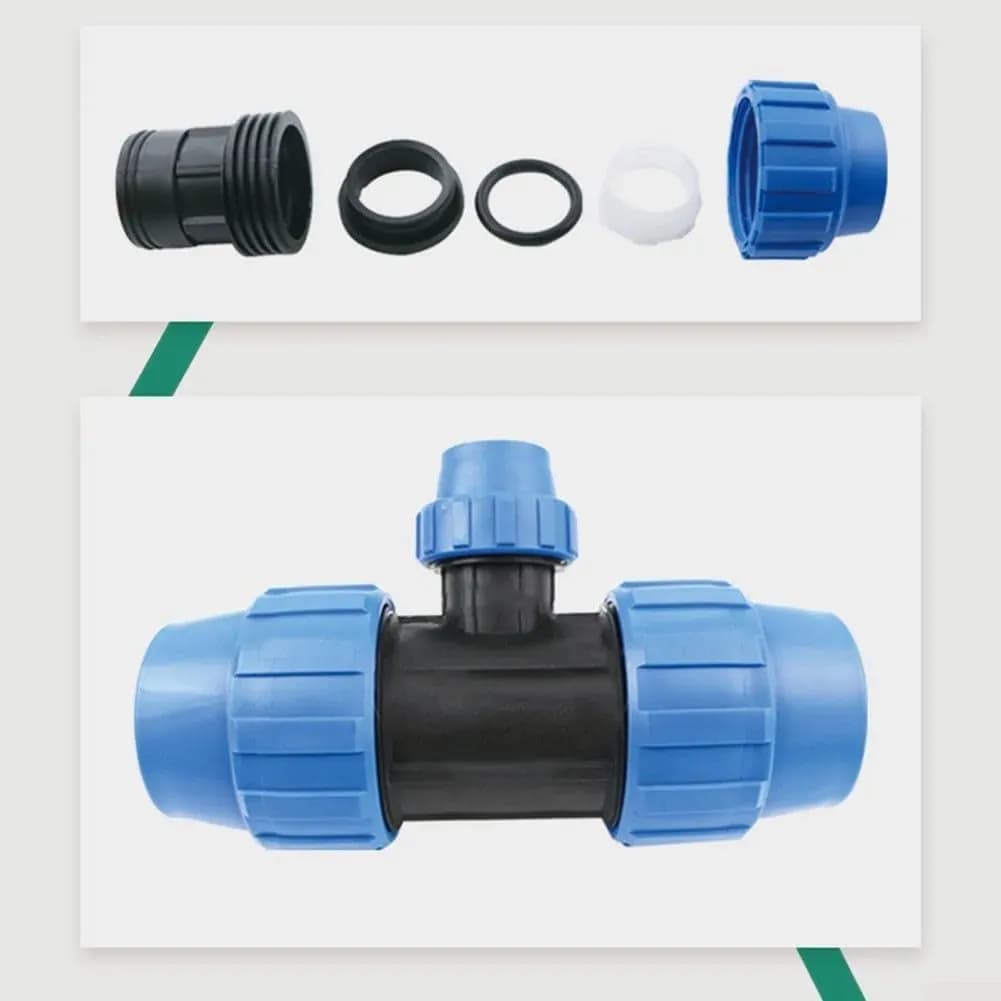
L'erreur la plus courante en goutte-a-goutte commence avec une etiquette trop rassurante. Deux produits marques "1/2 pouce" ne sont pas forcement compatibles. Sur le terrain, cette confusion finit par donner des raccords trop lache, des assemblages forces, des tuyaux qui sautent sous pression et beaucoup de temps perdu.
Le bon reflexe est simple : les tubes sont souvent vendus par taille nominale, mais les raccords repondent aux dimensions reelles. Une faible difference de diametre exterieur suffit a faire la difference entre une connexion fiable et une connexion a probleme.
Pourquoi la taille nominale ne suffit pas
Plusieurs fabricants peuvent appeler leurs produits "tube 1/2 pouce" alors que le diametre exterieur reel n'est pas le meme. Selon les gammes, on rencontre par exemple du .620 OD, du .700 OD, du .710 OD ou du 17 mm. L'ecart parait faible sur une fiche technique, mais il est decisif au niveau du raccord.
Si le raccord est trop lache, la pression finira par provoquer une fuite ou ecarter le tube. S'il est trop serre, la pose devient difficile et le tube peut etre abime au montage.
DI et DE : quelle mesure controle vraiment la compatibilite ?
Le diametre interieur influence le debit et les pertes de charge. Le diametre exterieur, lui, decide le plus souvent si le raccord peut tenir proprement sur le tube.
- DI : important pour le debit, la capacite et les pertes de pression
- DE : essentiel pour la tenue du raccord et la qualite du serrage
C'est pour cette raison qu'il vaut mieux mesurer le diametre exterieur avant de commander des raccords.
Les tailles de tube les plus courantes
Tube en .700 OD
C'est une taille tres frequente dans les installations residentielles et de petite exploitation. Beaucoup de raccords a compression et de raccords verrouillables sont concus specifiquement pour ce diametre.
Tube en .710 OD
Certains systemes utilisent un diametre legerement plus grand. A l'oeil, il ressemble souvent au .700, mais la difference suffit a creer un mauvais assemblage si vous melangez des pieces prevues pour l'autre taille.
Tube en .620 OD et formats metriques
On les retrouve sur des systemes plus anciens, des installations specialisees ou des composants importes. Ils demandent souvent des raccords dedies plutot que des remplacements generiques.
Si vous hesitez aussi entre reseau rigide PVC et reseau flexible PE, voir notre comparaison PVC vs PE. Le choix du materiau et celui des raccords vont souvent ensemble.
Le type de raccord change aussi la tolerance
Raccords canneles
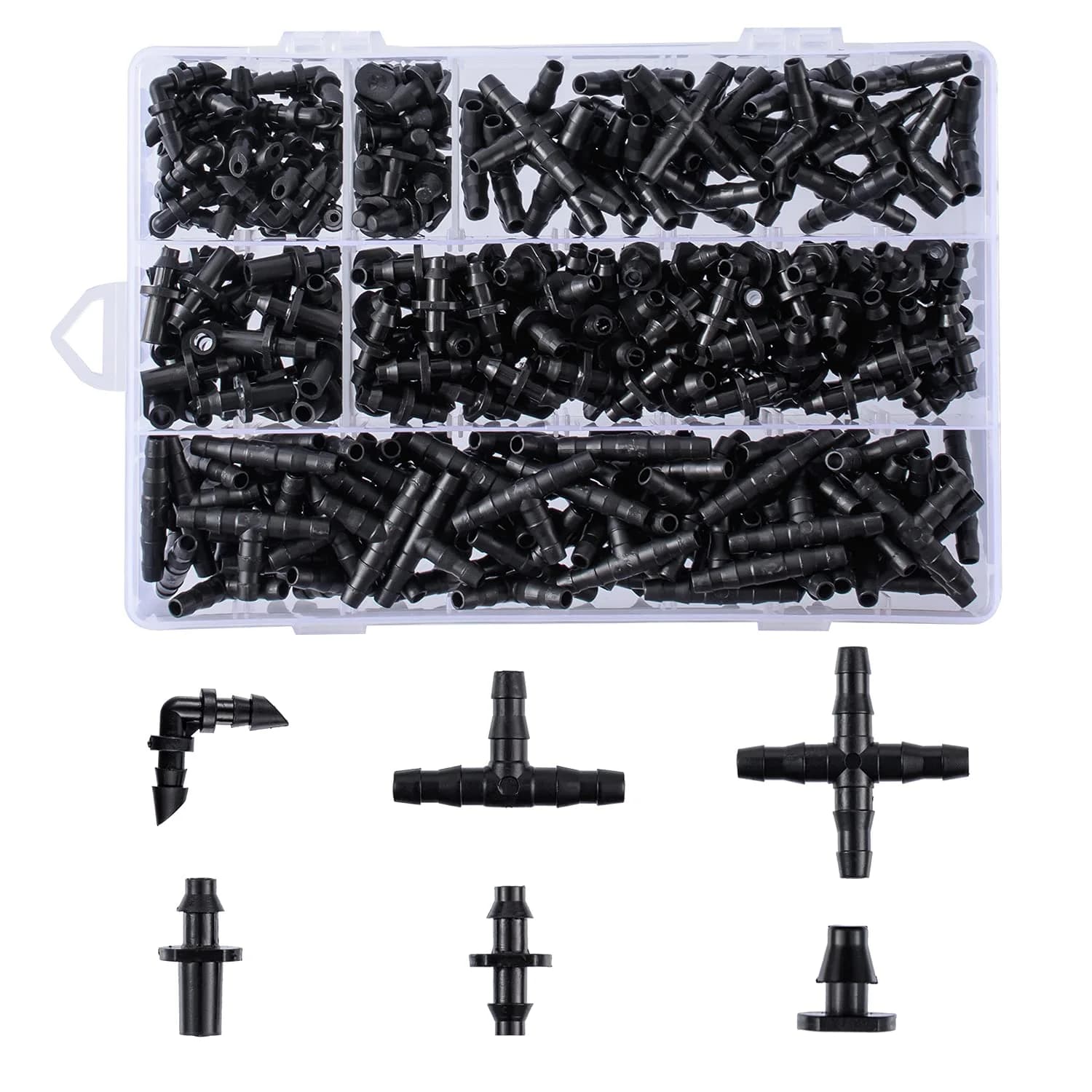
Les raccords canneles s'inserent dans le tube et tiennent par friction. Ils sont pratiques, simples et tres courants sur les petites lignes de distribution. Ils supportent parfois un leger ecart mieux que certains raccords a compression, mais ils ont quand meme besoin d'une plage correcte.
Raccords a compression
Ils serrent la paroi exterieure du tube. Pour cette raison, ils sont en general plus sensibles au diametre exterieur exact. Un raccord .700 est fait pour du .700, pas pour un "presque pareil".
Raccords verrouillables ou mecaniques
Ces raccords utilisent souvent une bague ou un ecrou pour serrer le tube autour d'une cannelure. Ils plaisent aux installateurs qui veulent une connexion plus robuste, parfois re-utilisable, avec plus de confiance sous pression.
Les controles simples a faire avant d'acheter
- Mesurer le diametre exterieur du tube avec un pied a coulisse si possible.
- Verifier que la fiche du raccord parle bien du diametre exterieur.
- Confirmer si le produit vise du tube poly, du microtube ou du ruban.
- Tenir compte de la pression de service de la zone.
- Tester un assemblage avant de commander ou poser en volume.
Pour les projets qui utilisent aussi du ruban mince, consultez egalement notre article sur le choix du bon ruban goutte-a-goutte.
Les erreurs qui provoquent le plus de fuites
- Melanger les marques sans verifier les dimensions reelles
- Penser que tous les 1/2 pouce ont le meme diametre exterieur
- Choisir le connecteur sans tenir compte de la pression
- Forcer un raccord clairement trop grand ou trop petit
- Utiliser le mauvais type de raccord entre ruban et tube poly
En resume
Une connexion goutte-a-goutte fiable commence par une mesure, pas par une supposition. Quand vous connaissez le diametre exterieur reel du tube et le type de raccord qui lui correspond, l'installation devient plus simple, plus propre et beaucoup plus fiable dans la duree.
Si vous souhaitez verifier une liste de tubes et raccords avant achat, envoyez votre projet a IrriNex. Pour un exemple d'application, vous pouvez aussi consulter notre solution goutte-a-goutte pour cultures maraicheres.